Does it feel like an ice pick is stabbing the base of your skull? That sudden, electric shock-like pain radiates from your neck to the top of your head, sometimes even reaching behind your eyes. Massaging specific trigger points using proper technique may help reduce occipital neuralgia symptoms.
When Occipital Nerves Sound the Alarm
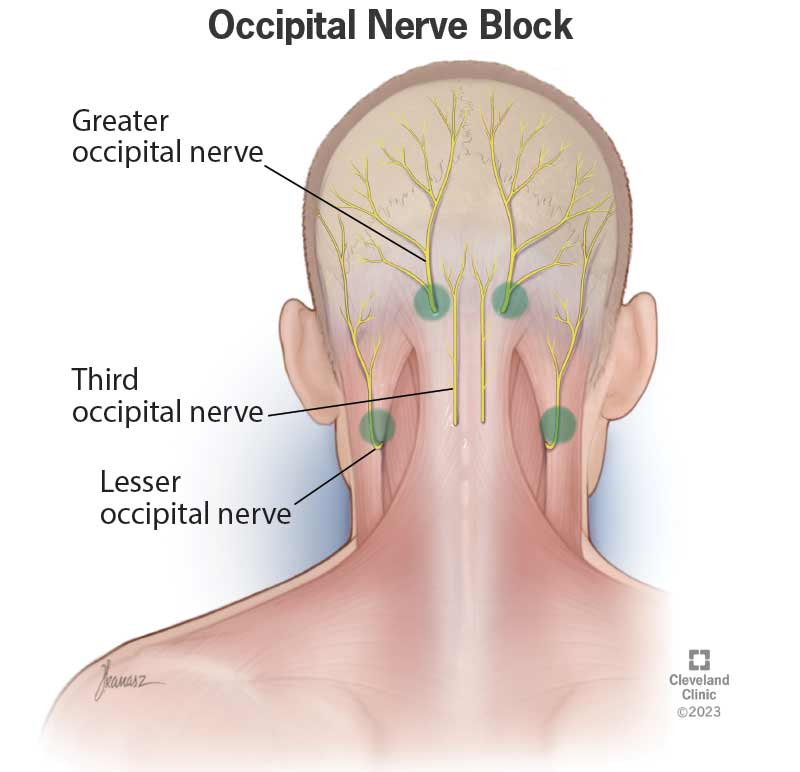
The occipital nerves—including the greater occipital nerve, lesser occipital nerve, and third occipital nerve—act like signal transmission lines for head hurt. When these nerves are compressed or irritated (due to factors like whiplash (car accident), cervical arthritis, muscle tension, poor posture, or stress), they send out intense "protest" signals.
Your Built-In "Off Switch" for Occipital Pain
The good news? Your body has 2 sets of 'pause buttons' for this headache. By massaging these trigger point groups and gently releasing muscle knots, you can:
✔️ Relieve nerve compression
✔️ Restore healthy blood circulation
✔️ Block pain signals before they disrupt your day
In this guide, you'll discover:
- Recognizing the First Symptoms Early
- How Do You Cure Occipital Neuralgia
- The Gear At-Home Self-Release Remedy
- How Long Does Occipital Neuralgia Last
- FAQ: Safe & Effective Use of This Tool
- 1 Gear, 3min Lying Down — Press Pause on Headaches
Blame it on your phone, desk, or stress. If you're tired of pain dictating your day—then start working on the base of your skull right now.
Scroll down to see the game-changing techniques therapists use and home alternative THERANUB The Gear. No appointment needed.
Recognizing the First Symptoms Early
Though it may seem uncommon, occipital neuralgia affects more people than you might think—a 2021 study of 800 headache clinic patients found that 25% received this diagnosis.
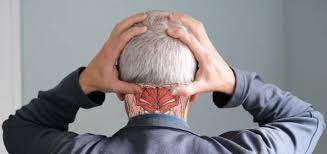
Occipital neuralgia can strike suddenly, with no obvious warning signs. Symptoms include intense pain lasting from seconds to minutes—throbbing, burning, or dull aching. The pain typically originates at the back of the head and may spread to one or both sides. It can affect the scalp, upper neck, behind the eyes, and around the ears. The scalp may become extremely sensitive and tender—even turning the head or lightly touching it can trigger discomfort, severely impacting quality of life.
How Do You Cure Occipital Neuralgia
Before we begin, let’s clarify the subject again. Occipital neuralgia typically stems from 2 main causes:
- Muscle tension compressing the nerve
- Underlying health conditions (e.g., injury, arthritis, gout, diabetes, spinal degeneration, infection, or inflammation)
If your case falls into the 1st category—discomfort caused by tight neck muscles—then the following methods may help you.
Occipital Neuralgia Massage Trigger Points
Here's the deal about massaging those tight neck muscles - you can technically do it standing or sitting, but let's be real, lying flat on your back is where the magic happens. When you're fully reclined, your neck muscles can actually let go of all that tension, making the massage way more effective.
Safety 1st: Neck Massage Do's and Don'ts
Listen up - when working on your neck, there's some important safety stuff you gotta know. Right down the middle of your neck runs the vertebral artery, which is basically the superhighway delivering blood to your brain. Pressing directly on this area is a big no-no - you could potentially damage the blood vessels, and in really rare cases, even cause a stroke. (Don't panic though - the chances are super slim.)
That's why the pros designed special occipital release tools - they're shaped to automatically steer clear of these danger zones while still getting the job done. Think of it like having guardrails on a winding road - lets you focus on the massage without worrying about taking a wrong turn.
Heads Up Before You Get Started
Look, this massage isn't for everyone. If you've got high blood pressure, serious neck issues, or you're pregnant, you'll want to skip the DIY approach and check with your doc 1st. Same goes if you've been drinking - this isn't the kind of rubdown you want to attempt after happy hour.
Here's the big 1: If you start feeling dizzy or lightheaded - that's your body's way of saying "Nope!" Stop immediately and take a breather.
Pinpointing Trigger Points: Mastering GB20 & BL10 Pressure Techniques
Let me show you how to find those magic knots on your neck - we're talking about GB20 and BL10. These little trigger points can work wonders for that stiff neck, pounding headache, or just general muscle tension that's been driving you crazy.
Here's what you need to remember:
- Keep breathing normal - none of that breath-holding stuff
- Press firm but don't go Hulk-mode on yourself - you want that "good hurt" feeling, not actual pain
- Hit these spots for 3-5 min, once or twice a day. Stick with it for a few days and you'll really start noticing the difference.
Trust me, your head will thank you later.
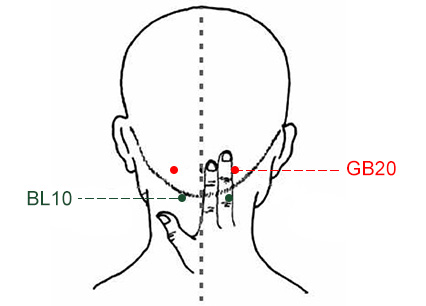
Step 1: Finding the GB20 Trigger Points
How to Find It?
- Cup the back of your head with both hands like you're holding a basketball.
- Run your thumbs along that ridge where your skull meets your neck - you'll feel 2 little dips about an inch apart.
- That's GB20. You should feel mild soreness when pressing—avoid pressing directly on the occipital lobe.
How to work it:
- Use the soft part of your thumbs (not the tips) to press upward gently but firmly
- Hold for 30s, take a 10-second breather, then repeat if needed
- If you start feeling woozy, back off immediately
Step 2: Finding Your BL10 Relief Points
This trigger point may help fix parietal-occipital headaches at the top of the head.
How to Find It?
- Start with GB20 (those sweet spots we just found at the base of your skull).
- Slide down about 2 finger-widths - you'll feel 2 little hollows right where your neck meets those shoulder muscles.
- Pro tip: Use the "finger ladder" trick - middle finger on GB20, index finger naturally lands right on BL10.
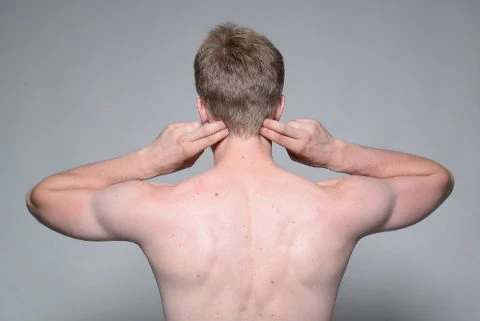
How to work it right:
- Press down with steady, firm pressure - you want that "ahhh" relief feeling, not "ouch!"
- Don't overdo it - these spots are powerful and a little goes a long way
These points are like your head-neck's reset buttons - treat 'em right and they'll return the favor.
Step 3: Occipital Muscle Release Technique
This is a common physical therapy method for addressing neck stiffness and may be a key component in relieving hurt.
With a Therapist:
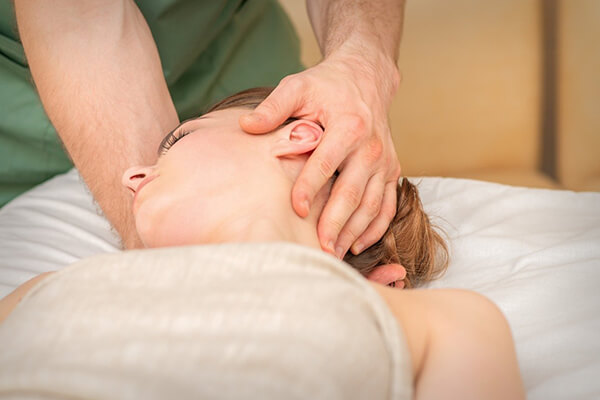
- The therapist cradles the back of your head with both hands, keeping thumbs and pinkies relaxed.
- Gently lifts with fingertips, tilting your head slightly backward to enhance the stretch.
At-Home Self-Massage Alternative:
No therapist? No problem! Grab an occipital release tool (your new best friend) to:
- Target those tight muscles and trigger points
- Save your arms from getting tired
- Get pro-level relief in your PJs
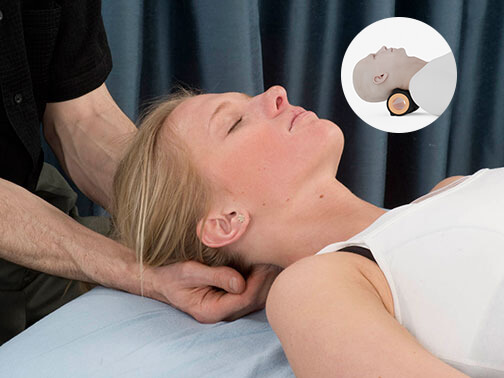
Occipital Release Gear
30-day return policy. No risk for you.
The Gear Can Help You Achieve All of This
To effectively relieve tension in the suboccipital muscles, both tool selection and technique matter. Here are practical recommendations for common tools:
Basic Massage Tools
- Soft massage balls (5-7 cm diameter) are ideal for gentle, sustained pressure.
- How to use: Place the ball beneath the occipital bone, lie down, and let your head’s weight slowly roll it. Hold for 15-30 seconds per spot.
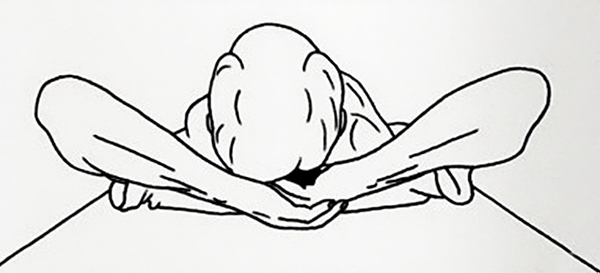
Professional Alternative - Occipital Release Tool
For precision relief, try the Gear. Designed to mimic a therapist’s hand positioning, it delivers targeted pressure while minimizing overstimulation risks.
Usage Precautions
- Avoid vibration tools—this area responds best to steady pressure, not abrupt impacts.
- Avoid sharp/hard tools (e.g., massage sticks, thumb massagers)—the suboccipital region is dense with nerves and blood vessels.
- First-time users should seek professional guidance.
Suboccipital relaxation is gradual. Overstimulation may worsen discomfort. Pair the right tool with proper technique for optimal results.
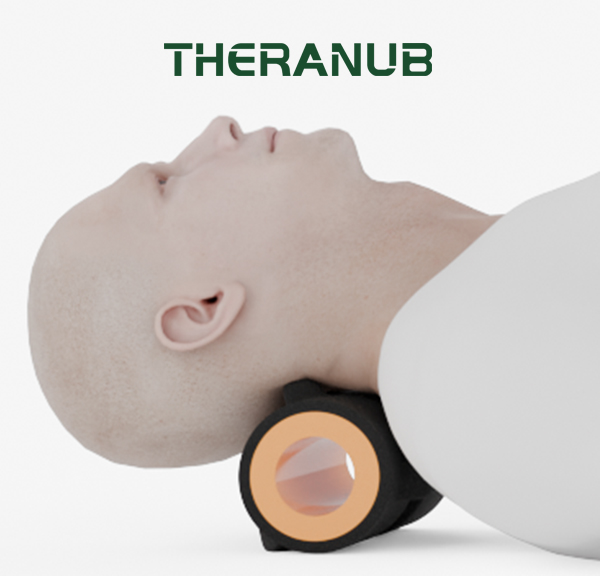
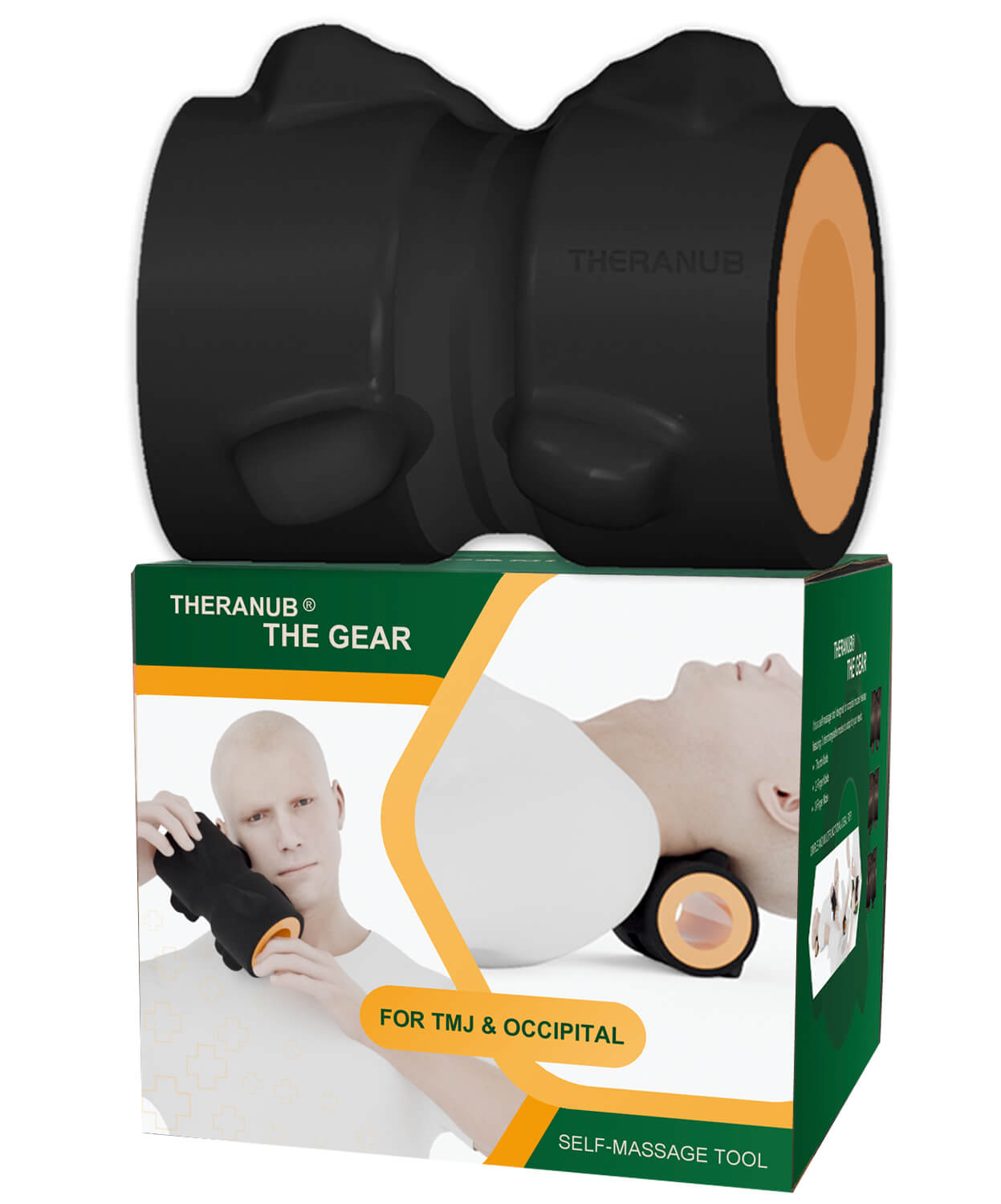
THERANUB The Gear
Target Trigger Points, Tight Occipital Ends Here
THERANUB The Gear At-Home Self-Release Remedy
The Gear enables precise trigger point therapy and suboccipital decompression for home use. The treatment consists of 2 steps, with enhanced results when paired with targeted stretching exercises.
Safety Self-Check
Before attempting self-massage for headache relief, please complete this quick safety check to assess suitability.
Preparation
- Sit on a stable chair with back support.
- Keep your spine upright and shoulders relaxed.
Test Steps
- Slowly tilt your head backward to a comfortable limit.
- Gently rotate 45° to the right while maintaining the tilt.
- Hold for 20-30 seconds, noting any discomfort.
- Repeat on the left side if no issues arise.
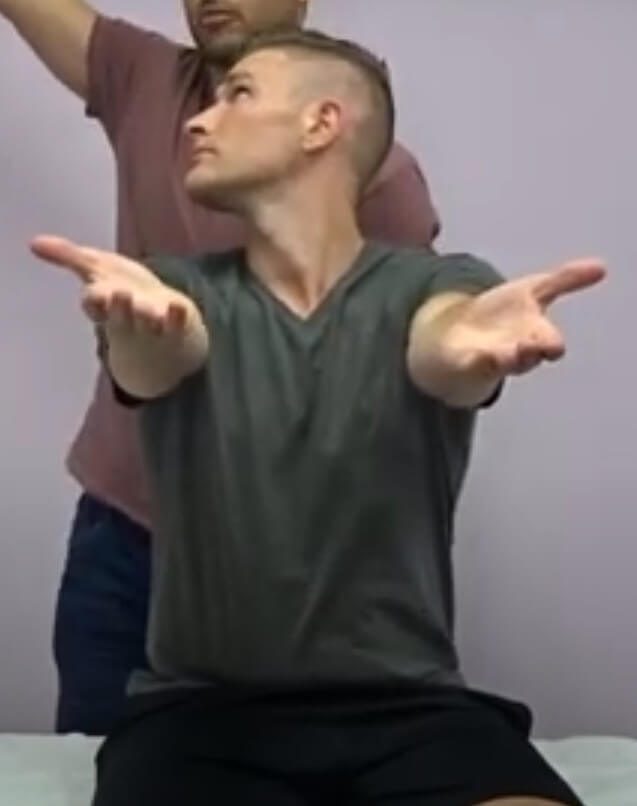
Stop Immediately If You Experience
- Sudden dizziness or loss of balance
- Nausea or discomfort
- Limb numbness/tingling
- Visual disturbances
Once you've comfortably completed these preparatory steps, you're ready to begin using The Gear by lying flat on the floor.
Step 1: Trigger Points Synchronized Pressure
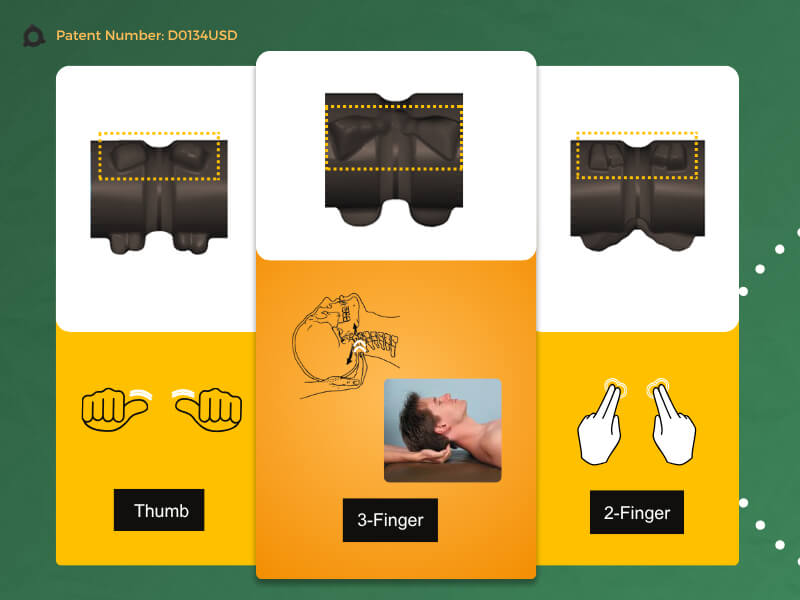
- Select thumb compression mode, ensuring the triangular marker points toward your feet.
- Lie flat on the floor and position the device beneath your occipital bone.
- Align the outer edge with GB20 (Fengchi acupoint) while the inner edge locates BL10 (Tianzhu acupoint).
Perform chin tucks and extensions:
- Keep your cervical spine stable, moving only the craniocervical joint.
- Slowly lift your chin upward until you feel a stretch in the neck muscles. Hold for 5s.
- Then tuck your chin inward to the limit and hold for another 5s.
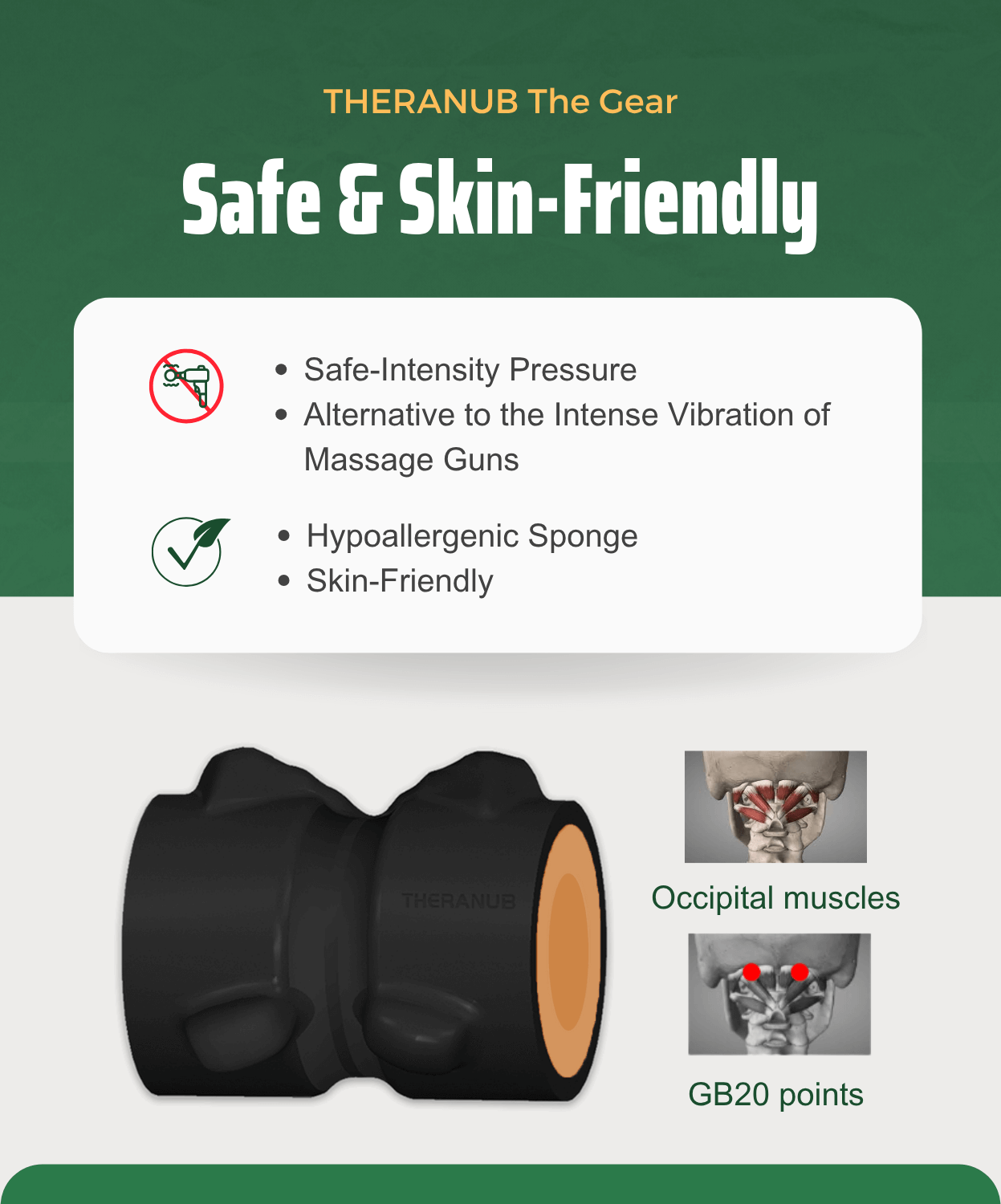
THERANUB The Gear
Target Trigger Points, Tight Occipital Ends Here
Step 2: Suboccipital Muscle Release
- Switch to 3-finger mode, adjusting the device so the triangle points toward your head.
- Maintain the supine position, placing the gear beneath the lower edge of your occipital bone.
Recommended Stretches
Combine with slow side-to-side head tilts to:
- Enhance stimulation of the suboccipital muscles.
- Simultaneously relax tension in the sternocleidomastoid (SCM) muscle.
Important Usage Notes
- Keep your head suspended—let its natural weight generate optimal pressure.
- 90s per phase for maximum effectiveness.
- Perform on the floor (use a yoga mat or carpet). Avoid beds/sofas.
This scientifically designed biomechanical therapy delivers targeted relief for the occipital region.
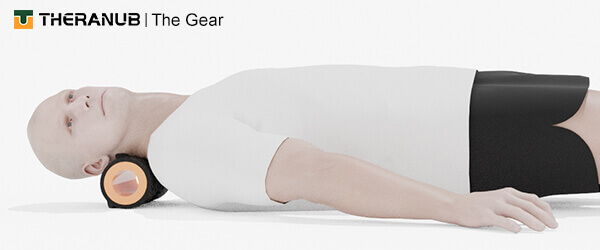
THERANUB The Gear
Target Trigger Points, Tight Occipital Ends Here
What Makes Our Occipital Release Gear So Special
Precision Replication of Expert Techniques
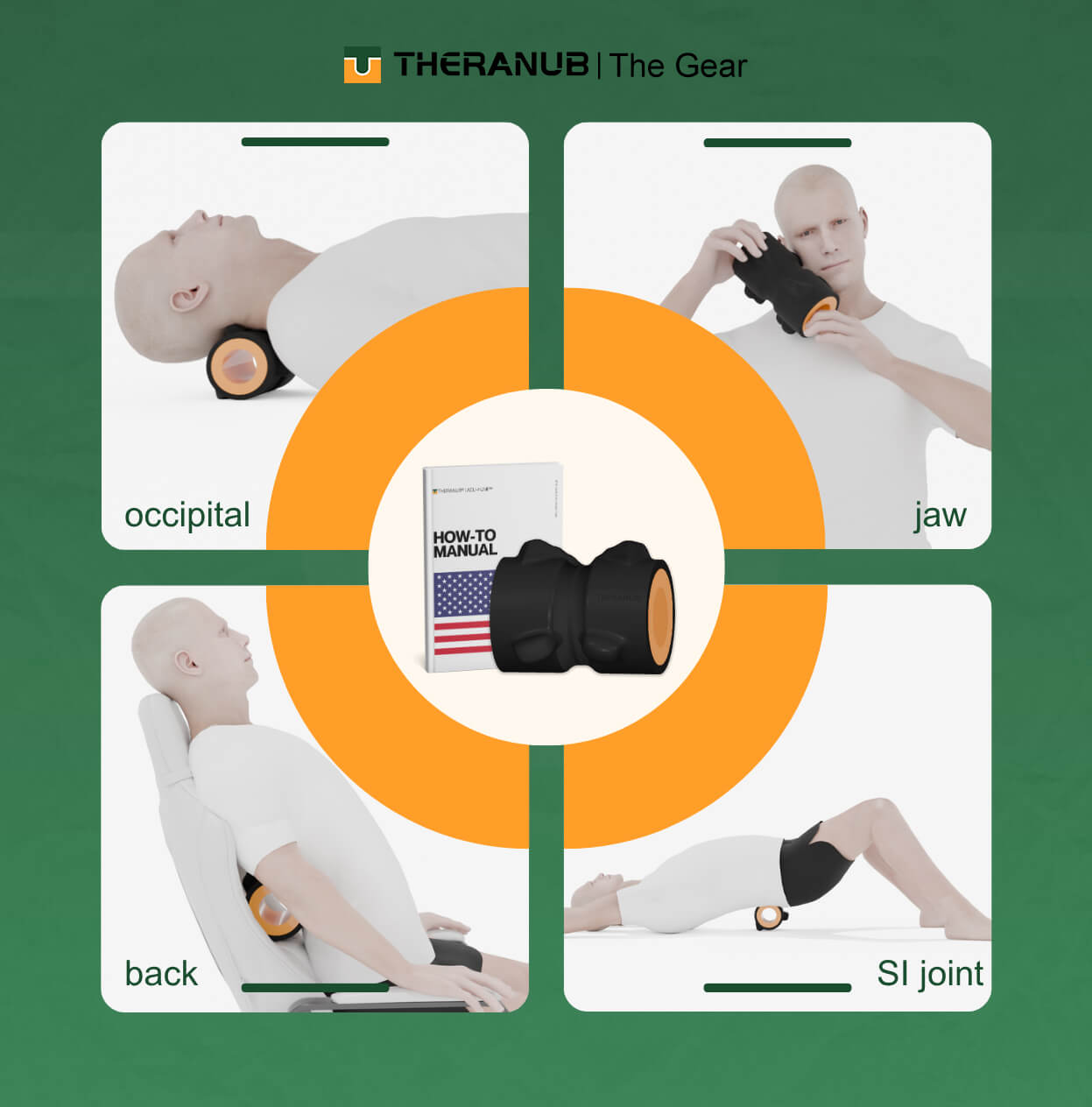
Developed with input from wellness experts, this innovative tool combines three well-established relaxation methods. Its triangular design naturally aligns with hand positions used in professional care, offering consistent comfort and support.
Zero-Learning-Curve Operation
The breakthrough ergonomic design eliminates arm strain, making it ideal for those with limited shoulder/neck mobility. Whether you’re a first-time user or have movement restrictions, mastery is instant. Skip the clinic wait—enjoy professional-grade massage at home.
Versatile Multifunctional Design
Beyond exceptional occipital relief, a simple adjustment transforms it into a handheld massager for:
- Sternocleidomastoid (SCM) tension
- Jaw soreness
- Temple pressure
- And other full-body discomforts
1 device, endless relief.
THERANUB The Gear
30-day return policy. No risk for you.
How Long Does Occipital Neuralgia Last?
Occipital neuralgia itself is not dangerous, but the pain can be severe and debilitating. Its duration varies significantly, primarily influenced by the underlying cause, timeliness of treatment, and individual differences.
During Acute Episodes:
- Headaches may appear suddenly due to neck movement or poor posture.
- Typically lasts from several minutes to a few hours.
- If promptly relieved with heat therapy, massage, or posture correction, symptoms often do not recur.
If Left Untreated or in Severe Cases:
Pain may persist for days or even weeks, gradually worsening.
Some patients may develop chronic headaches, characterized by:
- Frequent recurrences
- Neck stiffness
- Dizziness
- Requires systematic treatment (e.g., medication, physical therapy, or nerve blocks) for effective control.
FAQ: Safe & Effective Use of This Tool
Q: Does the Gear require charging or electricity?
A: No! It’s 100% mechanical—no power needed. Use it anytime, anywhere, even on flights or trips.
Q: Can I use the Gear as a regular pillow?
A: No! Though similar in shape, it’s designed specifically for suboccipital massage. Limit use to ≤5 minutes per session. Prolonged pillow-like use may worsen discomfort.
Q: Who is the Gear suitable for?
A: Ideal for 2 groups:
Preventive care – For those wanting to relax muscles preemptively.
Symptom relief – People with tight suboccipital muscles or recurrent headaches.
⚠️ Contraindications (consult a doctor first):
- Vertebral artery issues
- Acute cervical injuries
- Neurovascular compression risks
- Local nerve dysfunction
Q: Can the Gear get rid of headaches?
A: While it can relieve muscle-tension headaches, it won’t make occipital neuralgia go away for good. Unless you fix the root causes—like phone posture, sleep habits, or stress clenching—your symptoms will keep coming back. For lasting results, combine with:
- Posture correction
- Sleep hygiene
- Stress management
Tip: Treat suboccipital release as part of a holistic headache plan for long-term relief.
Q: What if headaches persist after use?
A: If symptoms continue: Re-evaluate lifestyle factors. Consult a doctor to rule out other underlying conditions.
How to Treat Occipital Neuralgia at Home
Headaches shouldn’t dictate your quality of life. With systematic self-care, you can effectively prevent and relieve occipital neuralgia. Here are proven solutions:
1. Daily Care Essentials
Heat Therapy: Apply a 40–45°C (104–113°F) warm towel to the back of your neck for 15 minutes before bed. Note: Ice packs may worsen symptoms.
Sleep Optimization: Aim for 7–8 hours of quality sleep. Use a cervical support pillow that aligns with your neck’s natural curve.
2. Targeted Massage Protocol
For best results, use a professional tool (like the THERANUB Occipital Release Gear):
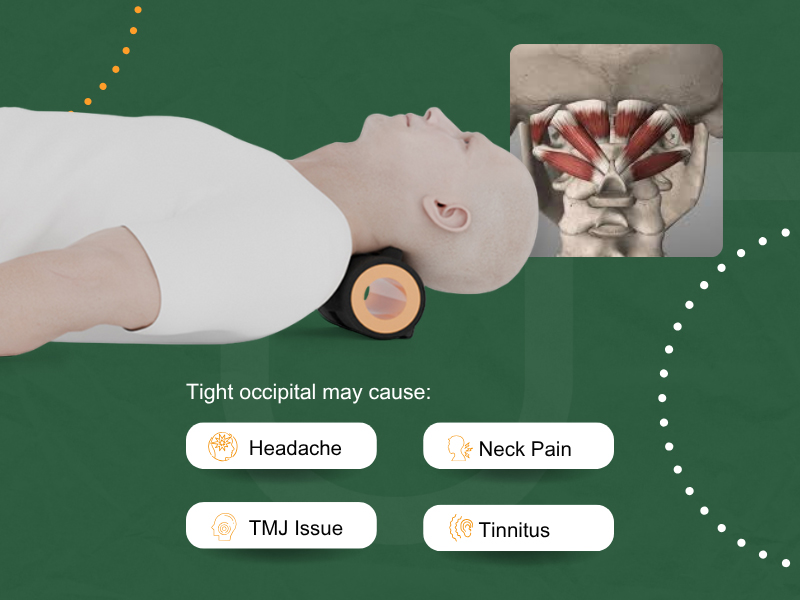
- Key Muscle Release: Regularly massage the suboccipital muscles and masseter muscles (jaw).
- Trigger Point Therapy:
- GB20 (Fengchi) – Relieves head tension.
- BL10 (Tianzhu) – Improves circulation at the head-neck junction.
Recommended: 3-minute sessions, morning and night, paired with stretching.
THERANUB The Gear
Target Trigger Points, Tight Occipital Ends Here
3. Posture Correction System
Neutral Alignment Training: Maintain a straight line from earlobes → shoulders → hips.
Core Strengthening: Perform 10 minutes daily of combined chest-abdominal exercises.
Results You Can Expect:
- Morning Refresh – No more neck stiffness or waking headaches.
- Daytime Focus – Sustained mental clarity.
- Nighttime Relaxation – Deeper, higher-quality sleep.
You’re one step away from a pain-free life.
THERANUB The Gear acts as your "professional guide"—combine it with a holistic care plan (massage + stretching + posture training) to make lasting comfort your new normal.
1 Gear, 3min Lying Down — Press Pause on Headaches
Two trigger points in your occipital region serve as the perfect "pause buttons" to relieve occipital neuralgia.
Get it now.
Let The Gear help you combat occipital neuralgia—its ergonomic curves, precision-targeted massage modules, and effortless, safe operation deliver unmatched comfort.
THERANUB The Gear
Target Trigger Points, Tight Occipital Ends Here
Whether you've just woken up, are taking a midday break, or winding down before bed—no matter how busy you are, The Gear can refresh you in just 3-5 minutes.
Headaches shouldn’t be part of your daily life. Order The Gear today and reclaim carefree, pain-free days.
The smart choice you make today will become countless reasons to smile tomorrow.
Loving yourself starts right now.
THERANUB The Gear
Target Trigger Points, Tight Occipital Ends Here