
Feeling tightness or stiffness in your lower back and hips? This may be related to tension in the surrounding gluteal muscles.
This type of discomfort is especially common during pregnancy, after long hours at a desk, following a workout injury, or even among new moms postpartum.
Individuals seeking enhanced flexibility through simple at-home methods may find this article helpful. The goal is to provide practical ways to work on muscle tightness with accessible methods.
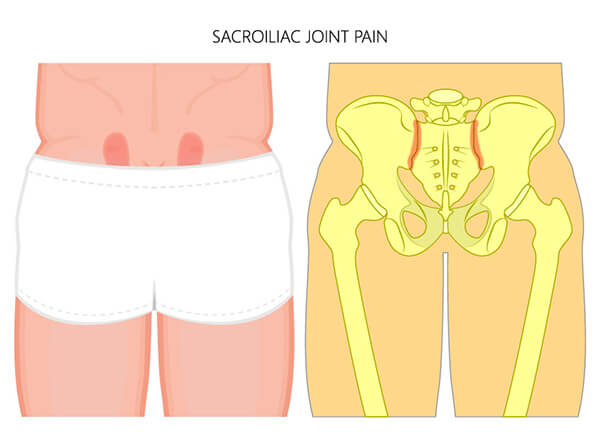
What Muscles Stabilize the SI Joint
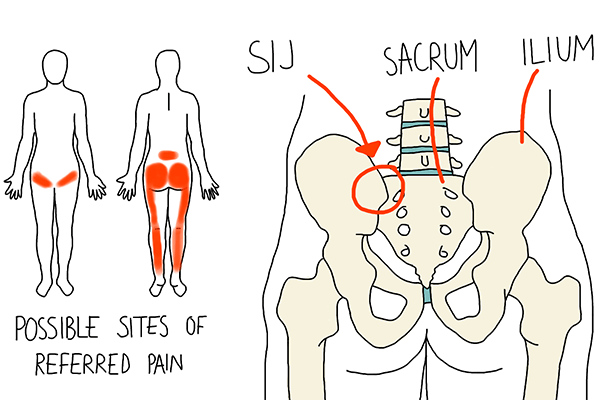
Tightness in the muscles supporting the SI joint often presents as general lower back or hip stiffness. Understanding the muscles around the SI joint is crucial, as tension there can mimic other forms of lower body stiffness.
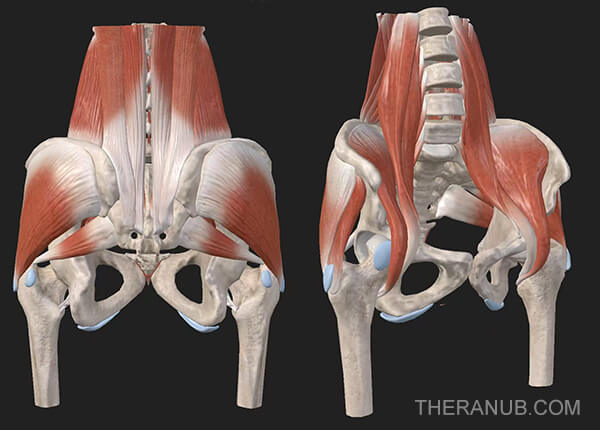
The stability is primarily supported by 7 key muscles: the gluteus medius and minimus, piriformis, iliopsoas, quadratus lumborum, coccygeus, and erector spinae. Together, these muscles work to stabilize and support the joint during movement and weight-bearing activities.
If it seems complicated, don't worry—the following guide have taken that into account.
- Gluteus Medius & Minimus (butt): Muscle imbalance here can cause pelvic tilt, putting undue pressure on the sacroiliac joint and putting undue pressure on the sacroiliac joint and contributing to tightness. The contraction of the glute muscles increases the stiffness of the fascia in the SI joint. (Hengevald and Banks, 2014). Van Wingerden et al. (2004) reported that during gait, the contraction of the glute muscles in combination with the lower back increases the stiffness of the sacroiliac (SI) joint threefold.
- Piriformis Muscle (butt): A tight piriformis can place pressure on the sciatic nerve, which contributes to lower body tension.
- Iliopsoas Muscle (abdomen): Extended periods of sitting can shorten this muscle, leading to an excessive lower back curve and altered joint force distribution.
- Quadratus Lumborum (lower back): Uneven work on one side can disrupt joint rotation and intensify pain.
- Coccygeus & Erector Spinae: Weak core muscles reduce the joint's shock - absorbing ability, increasing injury risk.
How to Help SI Joint Tension
A common approach a physical therapist may use involves lying face down on a treatment table. After warm up and relax the surrounding tissues, the therapist will place their hands on the iliac bones and apply controlled, firm pressure to help stabilize or mobilize the sacroiliac joint.
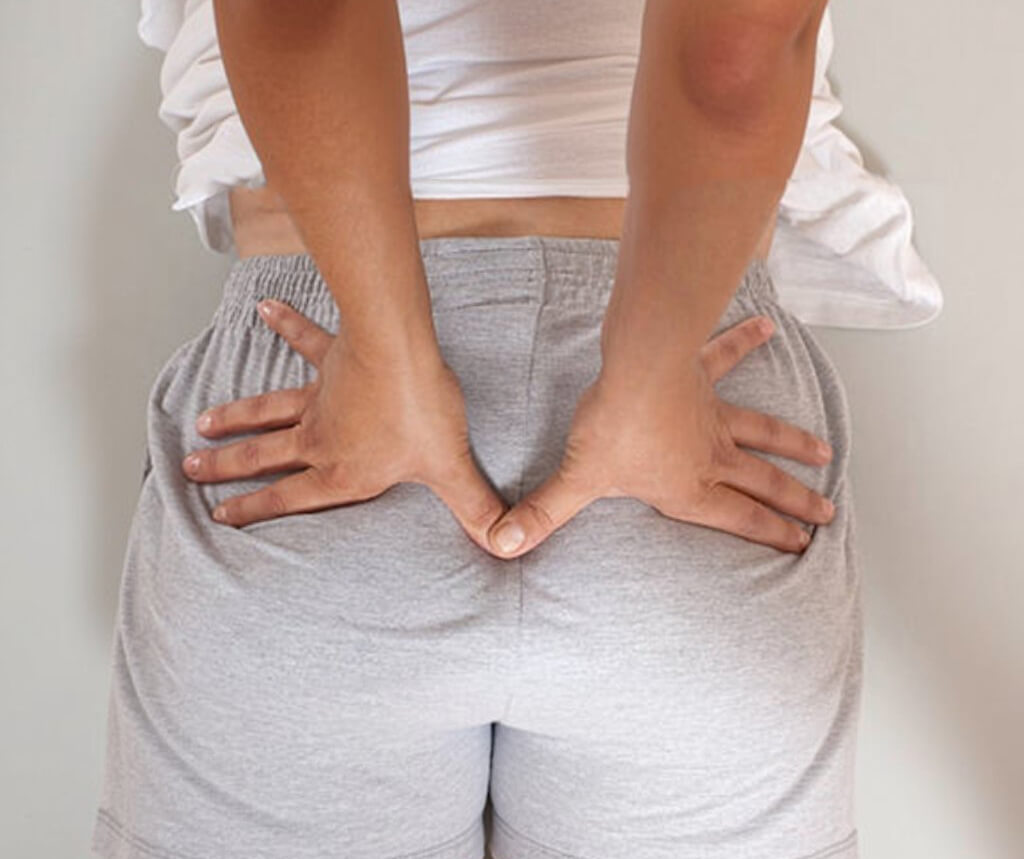
Deep Hip Muscle Massage Techniques at Home
The use of self-massage tools can bring advanced pro massage techniques right into the home routine.
Lie comfortably on your back. Place a butt massage tool beneath your hips. Allow your body’s weight to generate a steady counter-force.
Feel that? This technique helps replicate the hands-on pressure often used to work on deep tension and tightness in the hip complex. Body weight is leveraged to achieve deep pressure on the gluteal muscles.
Does Targeted Massage Help Hip and Glute Tightness?
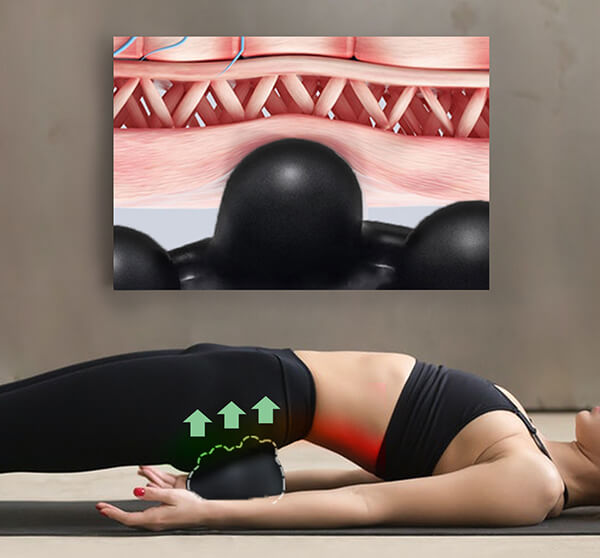
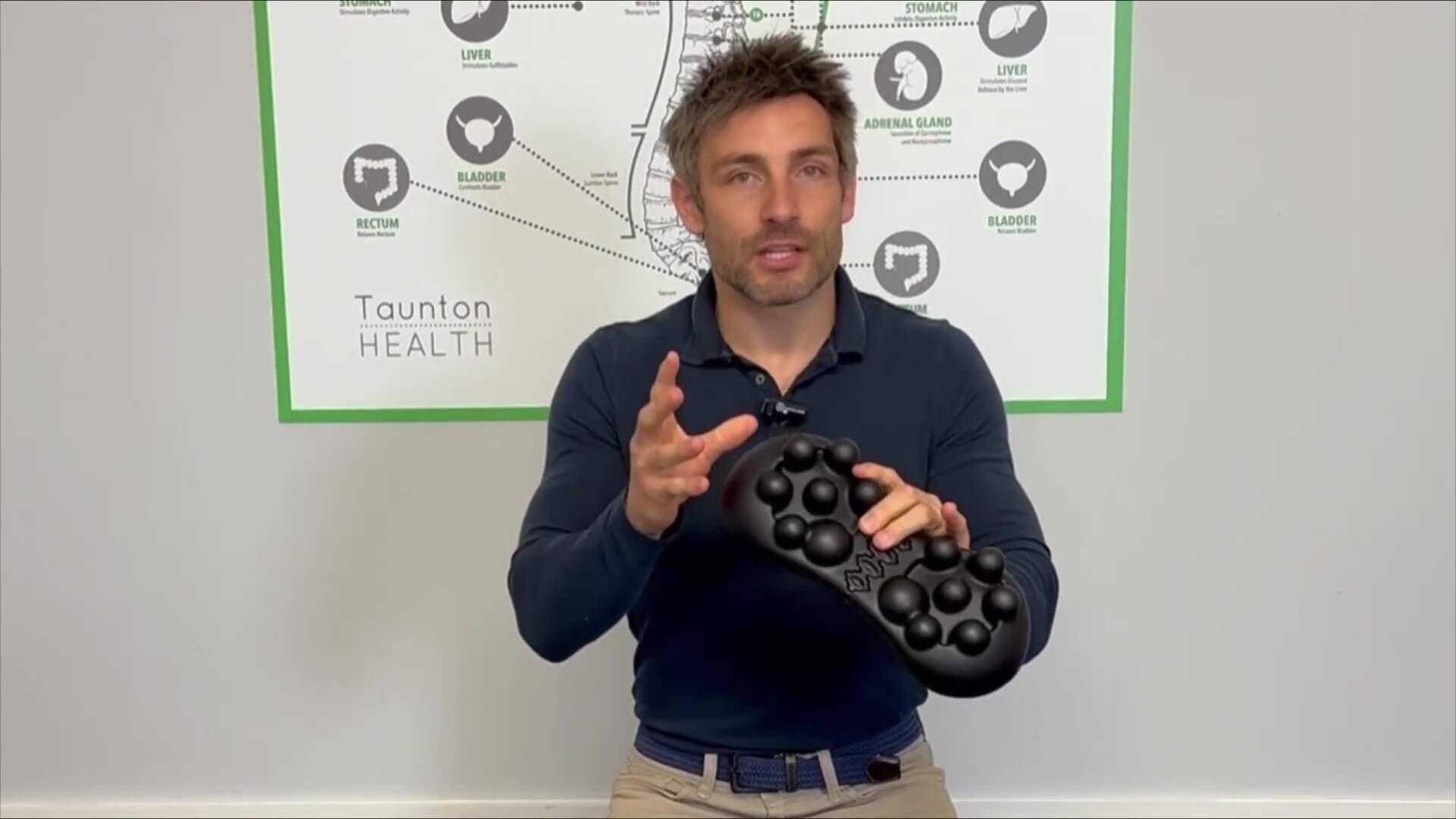
The Acu-Hump is designed to apply gentle yet firm pressure to the iliac bones while lifting the sacrum. This supports the body's natural posture and promotes better movement by targeting deep muscle knots and stiffness.
What makes it truly special are the 14 strategically placed nodules on each side. They deliver deep, focused pressure to your gluteal muscles, helping to:
- Release tight myofascial tissue
- Reduce tension around the SI joint
For cases involving stiffness or restricted range of motion, the Acu-Hump offers a practical method to manage deep gluteal muscle tension at home.
Acu-hump®
SI Joint Massage Tool
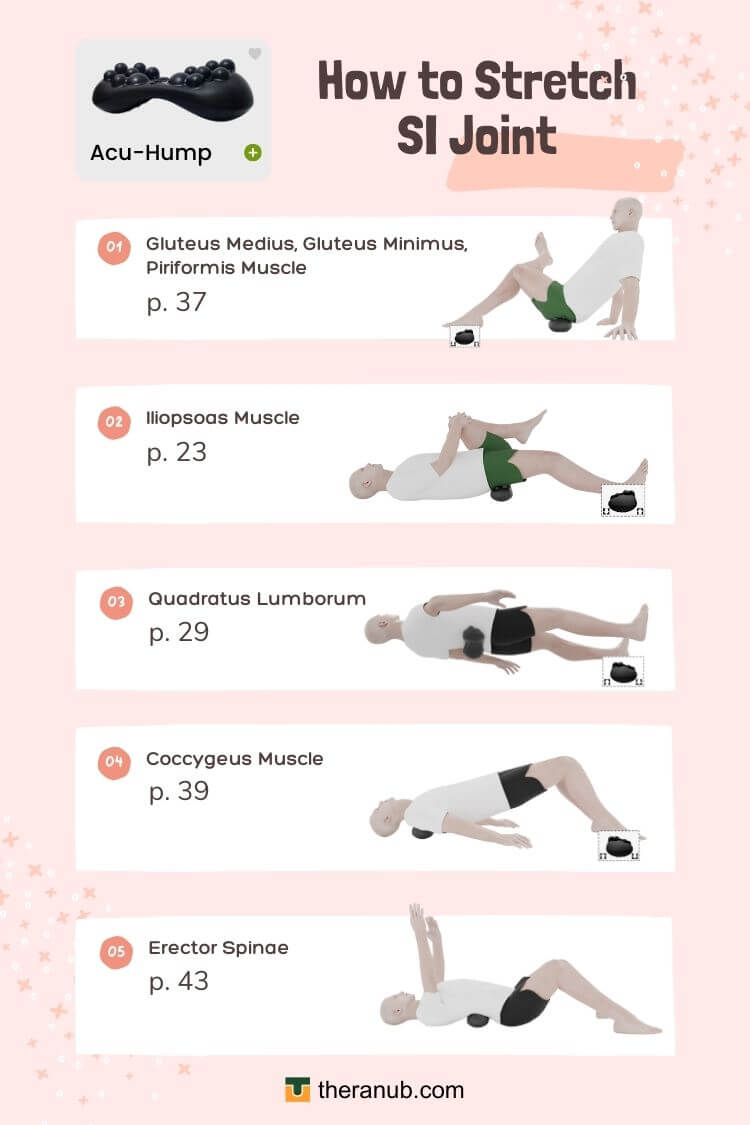
How to Stretch SI Joint: 5 Steps
If you're ready to take active steps toward relieving your discomfort, this 5-step stretching routine can make a real difference.
Incorporate the Acu-hump by sliding it beneath your hips or lower back. Feel how it intensifies each stretch, helping you target and release those stabilizing muscles more effectively than stretching alone.
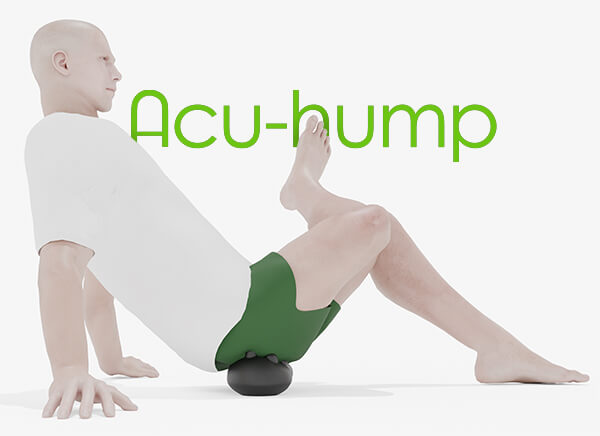
1. Gluteus Medius, Gluteus Minimus, Piriformis Muscle
- Sit on the floor and put the device under your butt. Cross your left ankle over your right knee and turn your pelvis to the right to add more pressure.
- Shift your weight to the left and hold for 20 - 30 seconds.
- Then shift to the right and do it again.
- To ease the pressure, lie down with your bent leg over the other knee and put the device under your butt muscles.
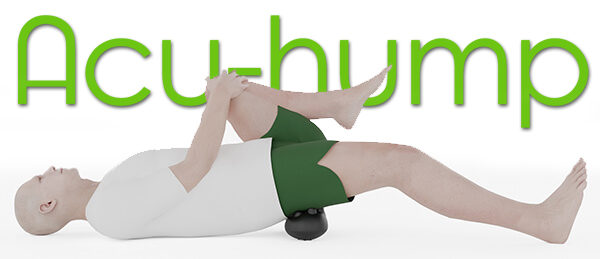
2. Iliopsoas Muscle
- Bend your right leg up to your chest and hold your knee for 20 - 30 seconds.
- Do the same with your left leg. Repeat this 5 times.
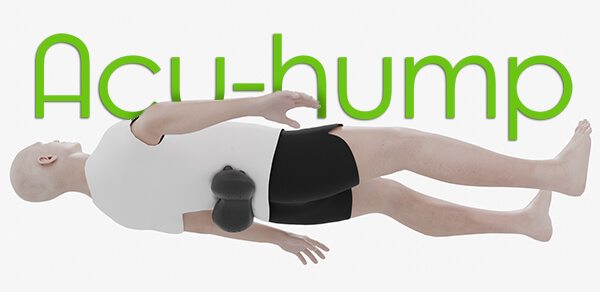
3. Quadratus Lumborum
Put the device on your lower back with the high part towards your head and lie flat for 3 minutes.
Acu-hump®
SI Joint Release
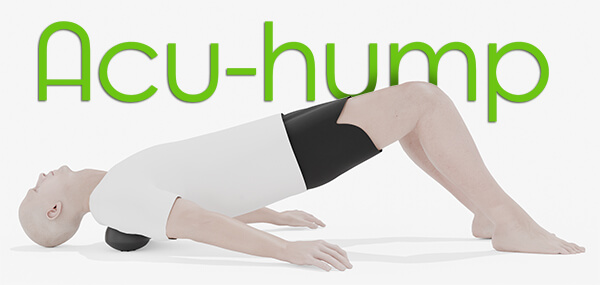
4. Coccygeus Muscle
- Lie on your back with your arms at your sides, feet hip - width apart, and knees bent at 90°.
- Put the device on your upper back and lift your hips until they're in line with your thighs. You should feel your butt muscles working.
- Take a deep breath in, hold for 10 seconds, then lower your hips back down. Do this 10 - 15 times.
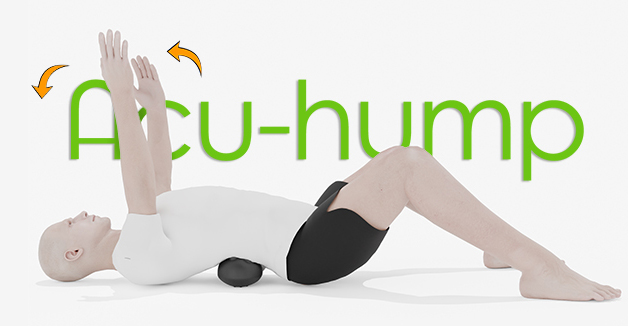
5. Erector Spinae
- Lie on your middle back on the device and your feet on the ground for support.
- Put your arms at your sides and lift your chin to 90°.
- Breathe in deeply through your nose and lift your arms.
- Breathe out through your mouth and stretch your arms over your head to stretch your spine.
Acu-hump®
SI Joint Release
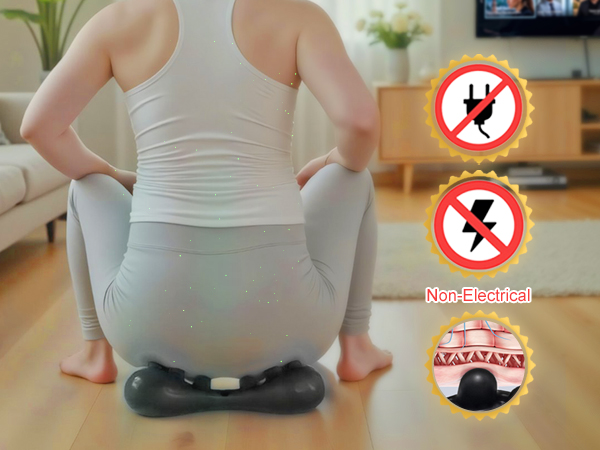
Acu-Hump SI Joint Massage Tool
This non-electric massage tool delivers deep pressure to your gluteal muscles. Its unique shape allows for precise targeting, helping to release muscle knots and improve flexibility.
Acu-hump®
30-day return policy. No risk for you.
Get the Body’s Natural Movement Potential
Muscle stiffness can be highly frustrating, but improved flexibility is attainable. By combining targeted stretching with the Acu-Hump, postural awareness, and core strengthening, individuals can actively improve flexibility and sustain muscle wellness.
- Deep Release with Tool-Assisted Stretching: Using the Acu-Hump enables the application of precise pressure to commonly locked muscles—supporting sustained improvement in muscle flexibility.
- Stand and Sit with Confidence: Simple adjustments in how you carry your body can significantly influence how you feel. By improving your posture while standing and sitting, you minimize stress on your lower back and pelvis—promoting freedom of movement.
- Build a Foundation That Supports You: A strong core serves not only fitness but acts as the body's natural support mechanism for stability and balance.
This routine is a pathway to living fully, supporting activities like gardening, walking, or simply enjoying movement with greater comfort.
Take back your comfort—one stretch, one posture adjustment, one stronger breath at a time.
Refer to the corresponding page in the HOW-TO Manual for movement essentials and detailed instructions.
Acu-hump®
SI Joint Massage Tool
