Ever wake up with a throbbing headache on one side? By afternoon, does your neck stab with pain when you turn head? This discomfort may even radiate from the back of your skull to your eyes and forehead (frontal lobe)—you might be experiencing tension in your occipital muscles.
Our head, face, and neck form an intricately interconnected system. The occipital muscles, located at the junction of the skull and cervical spine, act as natural "head stabilizers." When tense or overworked, they restrict neck mobility, compress surrounding pinched nerves, and ultimately lead to various discomforts.
Fortunately, your occipital muscles come with a built-in 'pause button'—the GB20 acupressure points. Why not try this natural head pain relief remedy—professional occipital release techniques?
Whether performed by a therapist or self-administered using occipital release tools like The Gear. This method combines acupressure point therapy and myofascial release, precisely targeting the root cause to release occipital tension.
In this article, you’ll discover:
The Vicious Cycle of Headaches: Between Muscle Tension and Trapped Nerve
Whether you’re an office worker, a gamer, or someone who spends hours on their phone, these science-backed techniques will help you break free from pain and regain full mobility.
Let’s embark on this journey from pain to relief, uncover the secrets of occipital release. Are you ready?
How Do the Occipital Muscles Cause Headaches?
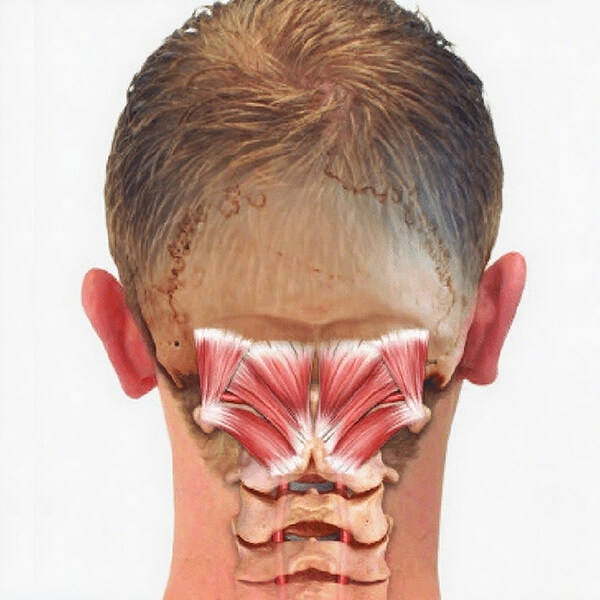
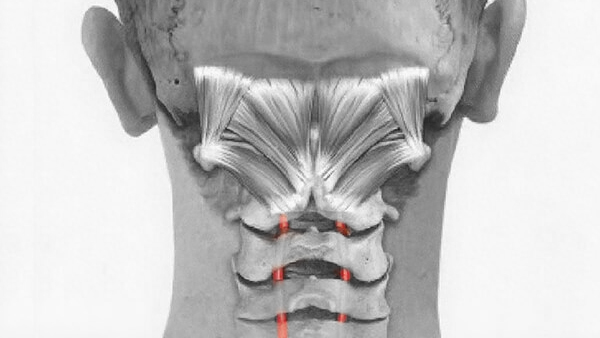
The occipital muscles are a crucial group of 4 small, paired muscles that connect the skull to the top 2 cervical vertebrae. They play a key role in controlling head movements such as forward tilting, side bending, and rotation. Despite their small size, these muscles are essential for daily head mobility.
Tension Headache vs Migraine vs Cervicogenic Headaches
When these muscles remain contracted for prolonged periods due to poor posture, repetitive movements, or emotional stress(such as anxiety), they can become fatigued and tense. Notably, muscle tension caused by emotional factors may be a significant trigger for tension headache—a condition often characterized by unilateral head pain, with symptoms closely resembling migraines.
If the muscle tension is not relieved in time, it can set off a chain reaction: restricted cervical mobility, impaired local blood circulation, and pinched nerve, eventually leading to typical cervicogenic headaches.
This gradual progression—from muscle tension to pinched nerve—is a common experience for many headache sufferers.

The Hidden Triggers of Headaches: Daily Habits You Keep Repeating
Did you know? The everyday behaviors that bring you relaxation and pleasure may secretly be fueling the fire of your tension type headaches. The comfort traps of modern life are planting seeds of pain in your occipital muscles—every moment of slouching, every instance of tension is accumulating material for future head pain.
If any of the following applies to you, releasing your occipital muscles could be the turning point that changes your life:
- Using mobile phone right before bed
- The "comfortable" slumped position on the couch
- Tending to your lawn and garden
- Long car rides or even extended flights
- Unconscious screen time during "focused work"
- Nighttime teeth grinding or jaw clenching
- Living in an icebox all day
The cruel irony? The very things you do to relieve stress—scrolling through your phone, binge-watching shows while slouched—It’s like using gasoline to put out a fire; these only pour fuel on the flames of your head pain.
To break the headache cycle—start by releasing your tight occipital muscles.
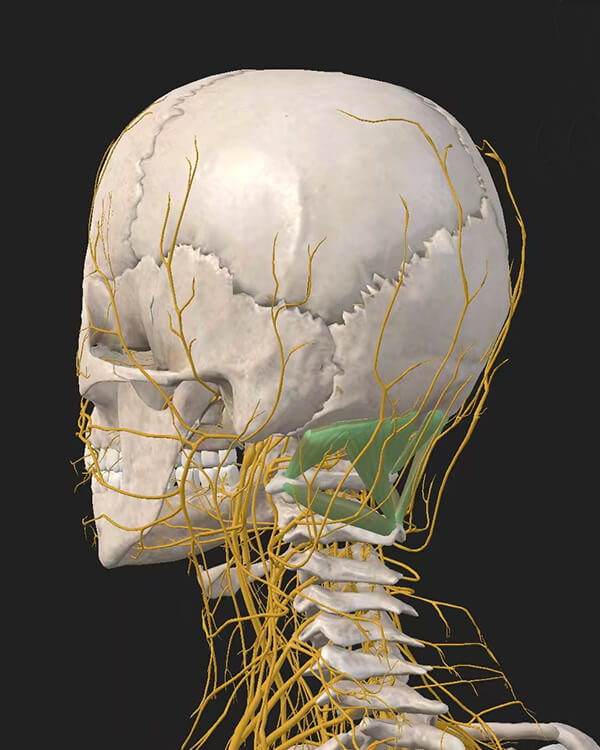
At the base of your skull, the occipital region is a convergence point for multiple headache pathologies. This sensitive area is:
- The exit point for the greater and lesser occipital nerves
- The attachment site for key craniocervical muscles like the rectus capitis posterior minor and semispinalis capitis
- A critical biomechanical pivot in the craniocervical junction
When these structures become dysfunctional due to tightness, or trapped nerve, they act as head pain "triggers." Many tend often overlook this critical zone—which is exactly why the THERANUB The Gear Occipital Release Tool was designed as a professional solution to target this blind spot.
How to Massage the Occipital Muscles
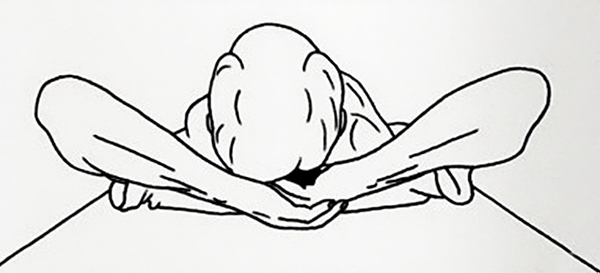
Before you begin, please make sure we're talking about the same situation.
Massage Techniques
When massaging the occipital muscles, you can do it while standing or sitting, but the ideal position is lying on your back. This posture allows the head and neck to fully relax, achieving better massage results. Before starting, adjust your breathing to maintain a steady, deep rhythm.
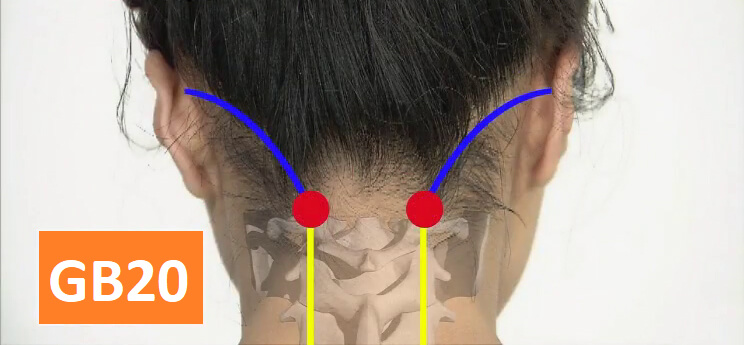
Locating the Massage Points Accurately
The key to massage is finding the correct pressure points:
- First, locate the occipital protuberance near the hairline.
- About 1 inch (approx. 2.5 cm) below the base of skull, look for a depression.
Important Safety Tips
Be cautious to avoid:
- The occipital muscles form a triangular area called the 'occipital triangle.' Beneath this triangle lie major arteries that supply blood to the brain.
- Excessive deep pressure may damage the vessel, potentially leading to serious risks like stroke. While rare, extreme caution is necessary.
Self-Massage
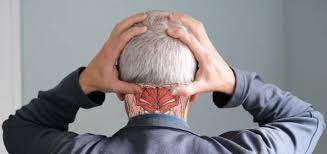
Cup your head with both hands, placing your thumbs in the depressions along the occipital ridge. Apply gentle, steady upward pressure.
For deeper pressure, stack your index and middle fingers to press the occipital muscles.
Professional Massage
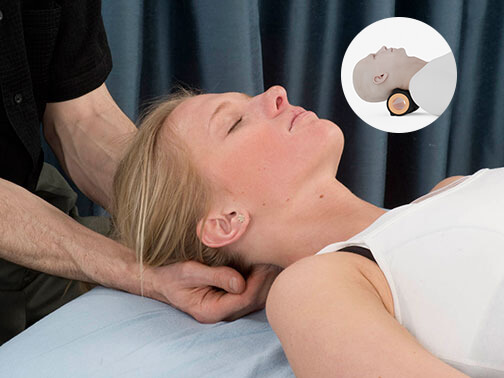
With assistance, deeper pressure can be applied more easily. Therapists typically cup their hands to cradle the back of your head, with thumbs and pinkies relaxed. They may lift their fingertips to increase cervical curvature and stretch the neck.
For a professional-like massage at home, specialized occipital release tools can be used. These tools mimic finger pressure, help target the occipital muscles accurately. Just stay flat—no arm or shoulder lifting required.
Best Tools to Relieve Tension at the Base of Your Skull
When releasing occipital trigger points, choosing the right massage tool is crucial:
Massage Ball
A simple tennis ball or a high-resilience ball with a diameter of about 60mm is a cost-effective option. These tools are not only easy to obtain but also convenient to use—locate the area below the occipital bone, place the ball in your palm, and gently press against it.
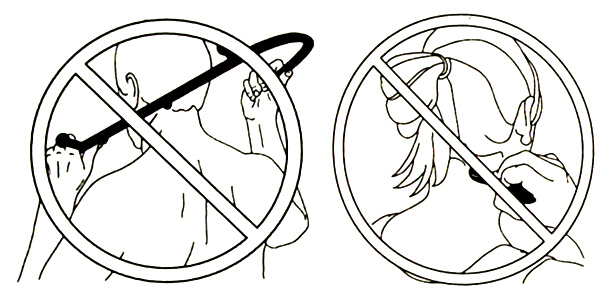
Massage Sticks and Thumb Massagers
Avoid deep-pressure tools like these. Since it’s difficult to control the pressure accurately when self-administering, they may damage the delicate blood vessels in the occipital area and even increase the risk of stroke.
Massage Guns: Avoid Using
The occipital muscles respond better to static, sustained pressure, while the high-frequency vibrations and intense impacts of massage guns may irritate this sensitive area, causing discomfort or injury.
Occipital Release Gear
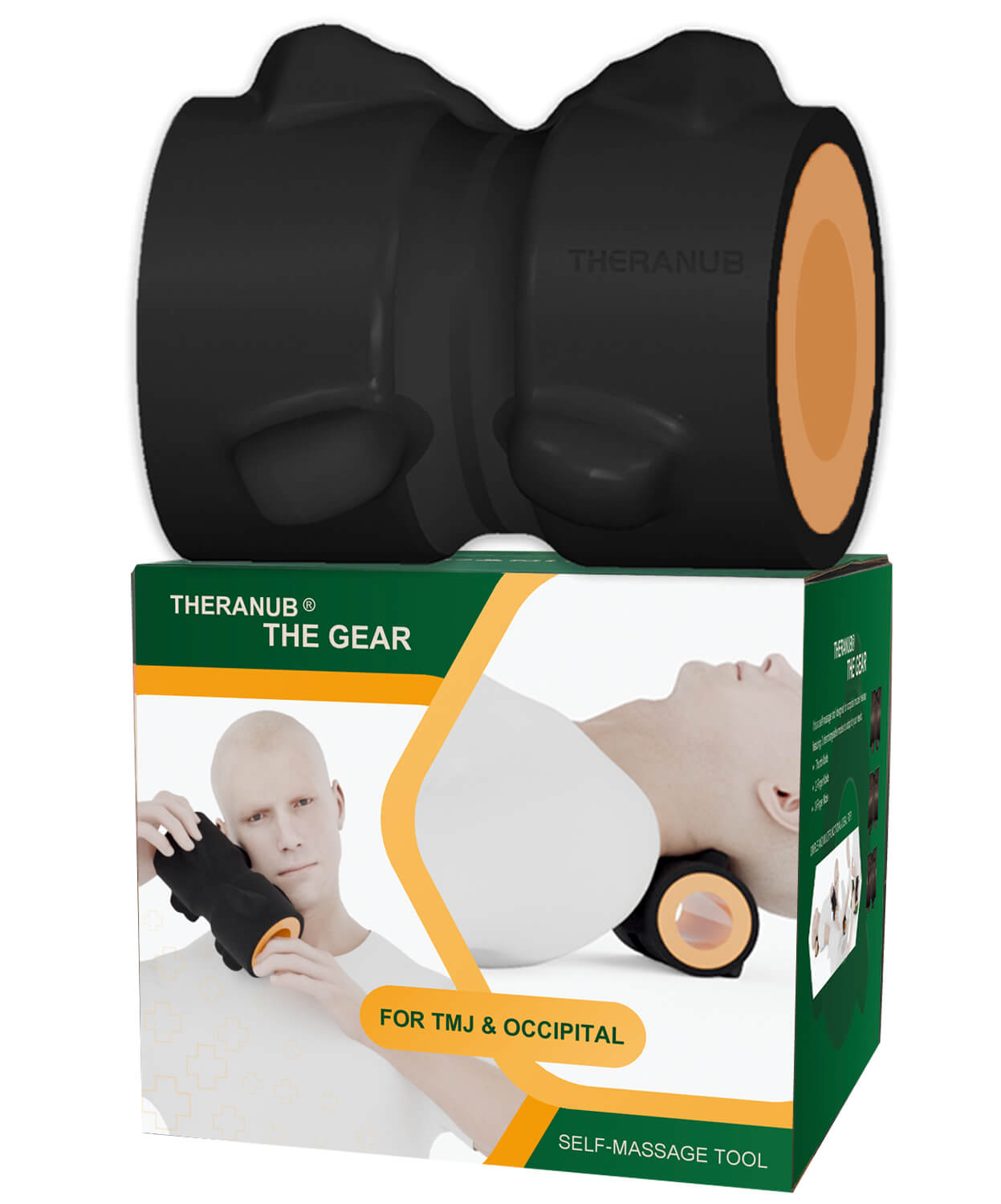
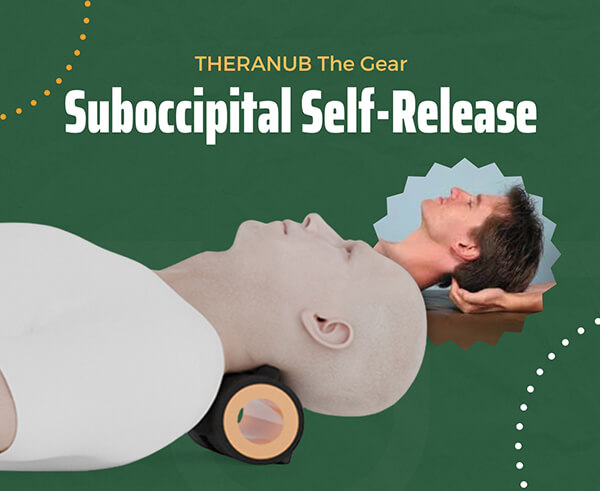
For those seeking professional results, the newly developed the gear is the ideal choice. This innovative tool is specifically designed to mimic the techniques of professional therapists, allowing for precise and safe release of tension in the occipital muscles.
Unlike others, it ingeniously utilizes the weight of the head itself to apply just the right amount of pressure, completely eliminating the risk of inconsistent manual force. This ensures every massage remains within a safe and effective range.
Regardless of the tool you choose, remember that this area is delicate and requires extra caution. It’s advisable to consult a professional physiotherapist before first-time use. If you experience any discomfort, stop immediately. Relaxing the occipital muscles requires patience and skill—avoid rushing the process.
Occipital Release Gear
30-day return policy. No risk for you.
Things You Need to Know Before Starting
Before performing occipital muscle relaxation, a safety test is essential. This simple self-screening helps determine whether occipital release is suitable for you:
First, sit comfortably in a chair. Slowly tilt your head backward until your gaze is fully directed at the ceiling. Then, maintaining this position, gently turn your head to the right as if trying to see behind the ceiling. Hold this turned position for 30s and carefully observe your body's response.
If you experience any abnormal symptoms during the test—such as dizziness, nausea, weakness, blurred vision, or discomfort—stop immediately. If the first side feels fine, repeat the same test on the left side.
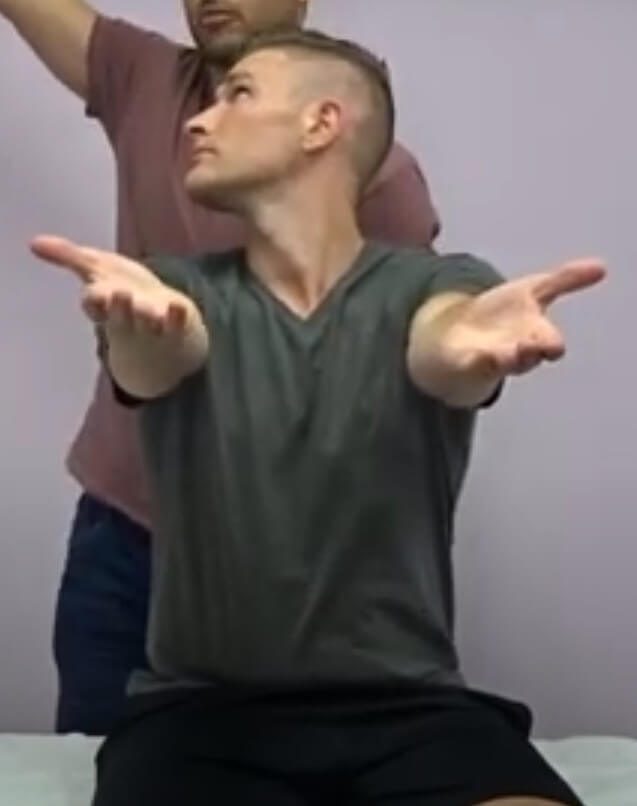
Important Note: If any of the above symptoms occur on either side, this is not only a warning to avoid neck massage or stretching but also a critical sign that requires immediate medical attention—you may need to check for vertebral artery blood flow. Safety always comes first, and this simple test could help you avoid serious health risks.
Additionally, DO NOT use this method if you have any of the following 5 conditions:
- Acute cervical fractures
- Concern for neurovascular compromise
- Focal neurologic deficit
- Acute cervical fractures
- Concern for neurovascular compromise
How to Use the Gear
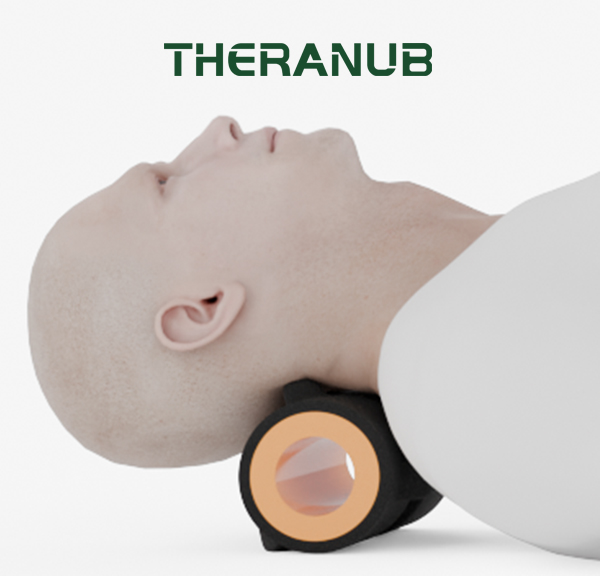
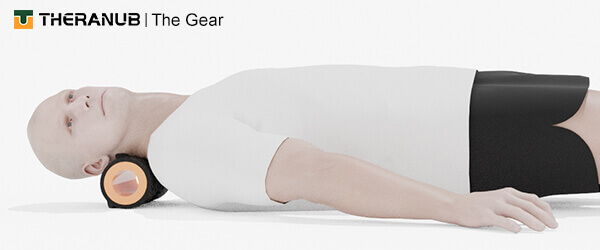
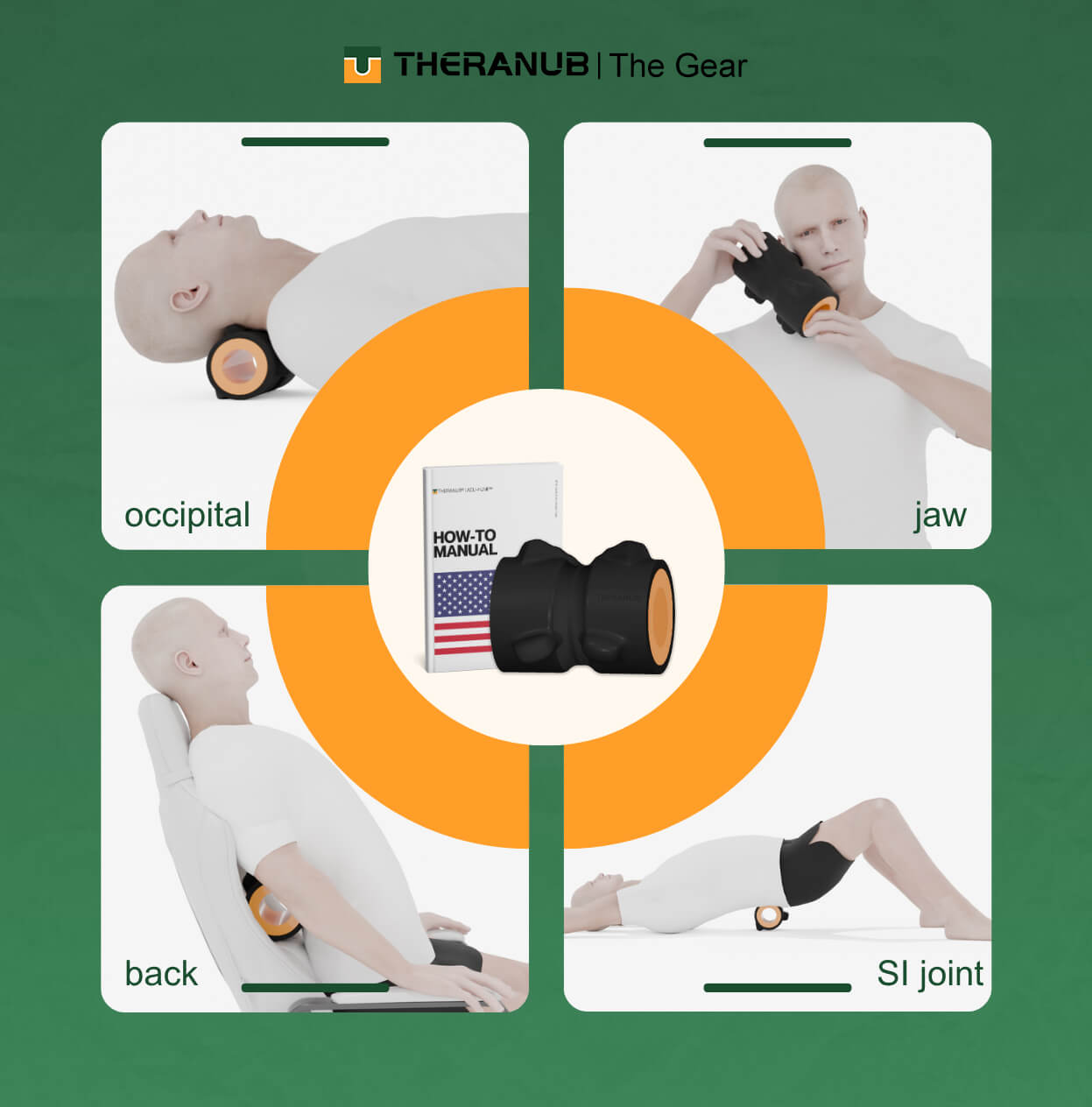
Using the Gear for occipital muscle relaxation is simple and comfortable. Just lie flat on the floor or bed, place the tool gently in the depression below the occipital bone, and ensure the massage module aligns precisely with your occipital muscles. The natural weight of your head will create just the right amount of pressure with the massage module—no extra force is needed, as the tool does the work automatically. Maintain this relaxed state for 90s to complete a full occipital release.
THERANUB The Gear
Occipital Release for Head Pain Relief
Want a deeper relaxation effect? If comfortable, try slowly moving your head from side to side. This gentle motion not only enhances the massage intensity but also helps restore cervical flexibility. Remember to keep movements slow and smooth, turning each motion into a pleasant relaxation experience. The entire process feels like a professional therapy session, thoroughly soothing tense occipital muscles.
Advantages and Unique Features of The Gear
Safe & Precision Targeting
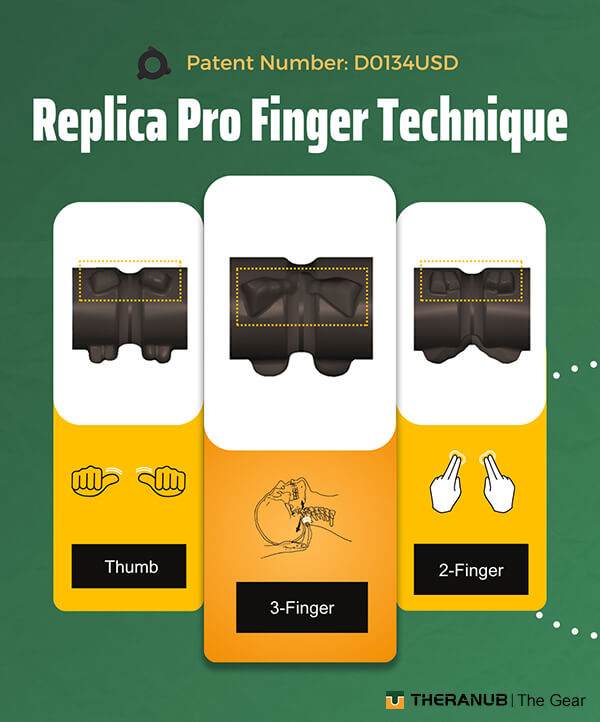
Inspired directly by the clinical experience of professional therapists, the brilliance of this product lies in its integration of three of the most commonly used professional occipital release techniques into the tool. It features three meticulously designed modules that accurately replicate the finger positions therapists use for thumb, 2-finger, and 3-finger massages.
Just lie down
Best of all, you don’t need to lift your arms—even if you have limited shoulder mobility, beginners can use it effortlessly. This means you no longer need to book a professional session—you can enjoy clinic-level precision relaxation at home anytime.
Versatility
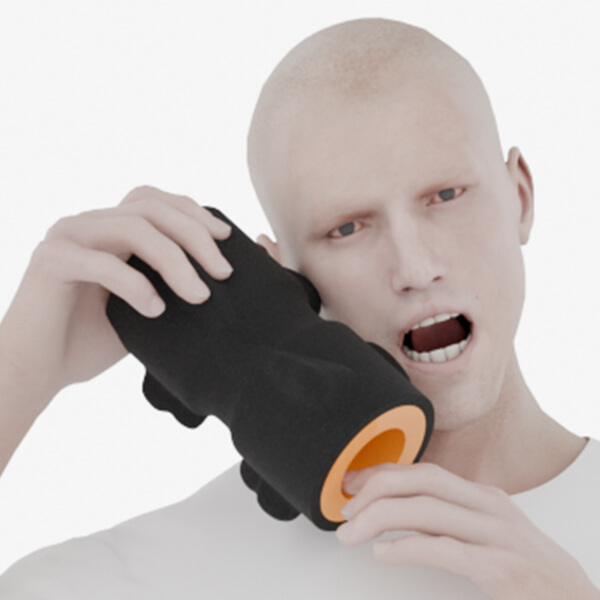
The Gear breaks free from the limitations of traditional occipital release tools with its single-function design. Beyond its outstanding performance for the occipital muscles, it can easily transform into a handheld massager, effectively relieving tension in the jaw muscles, temporalis fatigue, and various other discomforts.
Occipital Release Gear
30-day return policy. No risk for you.
FQA
Q: Does the Gear require charging?
A: Not at all. This is a purely mechanical massage tool that requires no power supply. Its portable design allows you to easily pack it in your luggage or even take it on a plane. No need to book a physiotherapist—enjoy professional-level occipital muscle relaxation anytime, anywhere.
Q: Can it be used as a occipital release pillow?
A: Absolutely not. While it may resemble one, this is a specialized massage tool designed for the occipital muscles, and each use should be limited to 1-2 minutes. Prolonged use as a pillow will not only fail to deliver therapeutic effects but may also cause discomfort. It’s worth noting that excessively high pillows and poor sleeping postures are common causes of headaches. If these habits aren’t addressed, simply relaxing the occipital muscles may not fully resolve your symptoms.
Q: Is the Gear suitable for everyone?
A: This tool is particularly beneficial for two groups: 1st, proactive individuals with a preventive health mindset who want to avoid tension type headaches through natural remedies; and 2nd, those already experiencing occipital muscle tension due to suboptimal health. However, it is strictly prohibited if you have any of the following conditions: vertebral artery blockage, acute cervical fractures, concern for neurovascular compromise, focal neurologic deficit, or acute cervical fractures.
Q: Does It Really Get Rid of Headaches?
A: Occipital muscle relaxation can effectively relieve headache symptoms caused by muscle tension, but it’s important to note that this is primarily a temporary improvement. Think of it as hitting the "pause" button on pain—it interrupts the vicious cycle of muscle spasms and headaches, providing immediate comfort.
However, if the root causes of your headaches—such as prolonged phone use, poor sleep posture, or stress-induced teeth grinding—remain unaddressed, symptoms are likely to recur. Imagine this: relaxing the muscles is like "putting out a fire," but if you don’t eliminate the "source of the fire" (bad habits), headaches will eventually return.
Recommendation: Incorporate occipital muscle relaxation as part of a comprehensive headache management plan. Adjust daily postures and reduce stressors for long-term results.
Enhance Effectiveness with Additional Methods
Headaches should not be a constant in your life. The THERANUB The Gear Occipital Release Tool offers a scientific, natural, and highly effective things to help you address headaches at their root.
The muscles in your body form an interconnected system, and you can do more to relieve discomfort caused by tension in the shoulders, neck, and facial muscles.
1. Chin Tuck and Stretch – A Great Starting Point
Focus on moving the skull atop the cervical spine, rather than moving the head as part of the neck. Lift your chin as much as possible—you’ll feel a stretch in your neck muscles—and hold for 5s. Then, slowly tuck your chin and hold for another 5s.
The key is to concentrate on the movement of the skull on the cervical spine, not the head as part of the neck. Doing this on a firm floor is helpful because the feedback from contact with the back of your neck ensures precision. Lying down also means you don’t have to worry about stabilizing or lifting your head.
Tip: When practicing on the floor, the feedback from the back of your head touching the ground helps refine your control. Once mastered, you can combine this with The Gear for synchronized relief.
THERANUB The Gear
Occipital Release for Head Pain Relief
2. Masseter Relaxation (Relieving TMJ and Back of Head Pain)
How does overactivity in the TMJ (masseter) and suboccipital muscles cause headaches? These muscle groups interact dynamically—TMJ tension can trigger compensatory overcontraction in the occipital muscles, resulting in persistent pain at the back of the head.
The head, neck, and facial muscles are interconnected, and tension in the masseter often accompanies headaches. Lie face down, place The Gear on your masseter (below the cheekbone), press the tip of your tongue against the roof of your mouth, and slowly open and close your jaw.
Occipital Release Gear
30-day return policy. No risk for you.
3. Ice Packs: Reducing Inflammation and Pain
When a headache strikes, applying ice can numb the pain receptors, providing temporary relief. However, this only masks the discomfort—it doesn’t resolve or repair the underlying issue. You still need to take proactive steps to address the root cause of your headaches.
4. Correct Your Posture
The root of headaches often lies in daily posture. When you stare at a screen, unconsciously tilting your head forward or hunching your shoulders is like winding a spring—keeping your head and neck muscles in constant tension. Over time, this accumulated tension turns into persistent headaches, especially noticeable during afternoon work.
While massage can provide temporary relief, real change starts with self-awareness. Maintaining a neutral posture—aligning your earlobes with your shoulders—combined with neck strengthening exercises builds a stable support system. When you actively manage your posture and supplement it with the targeted relaxation of THERANUB The Gear, you’ll achieve lasting improvement. Remember, every proper sitting posture is a long-term investment in your health.

These changes are within reach. The Gear is the "precision tool" in your headache management kit, but combining it with a holistic strategy (massage + exercise + habits) builds lasting, pain-free health.
THERANUB The Gear
Occipital Release for Head Pain Relief
End Headaches, Embrace Freedom—Your Essential Occipital Release Gear
Through this in-depth guide, we’ve uncovered the strong link between occipital muscle tension and chronic headaches, providing you with a scientifically backed solution. From precise massage techniques to safe usage tips, from daily habit adjustments to professional tool support—you now hold the key to breaking the headache cycle.
The Transformation You Deserve:
- Mornings free from stiffness and heaviness in the head and neck
- Work breaks uninterrupted by tension and discomfort
- Nights of quick, restful sleep without headache disturbances
It’s time to take action.
The Gear—occipital release tool, with its ergonomic design, targeted massage modules, and safe, easy operation, is your ideal choice for combating headaches.
Whether you’re a desk-bound professional or a frequent digital device user, this tool delivers professional-grade relaxation in just 90s.
Don’t let headaches dictate your quality of life.
Click the link below to get The Gear today.
This small investment will reward you with countless comfortable tomorrows—your body deserves this care.
THERANUB The Gear
30-day return policy. No risk for you.