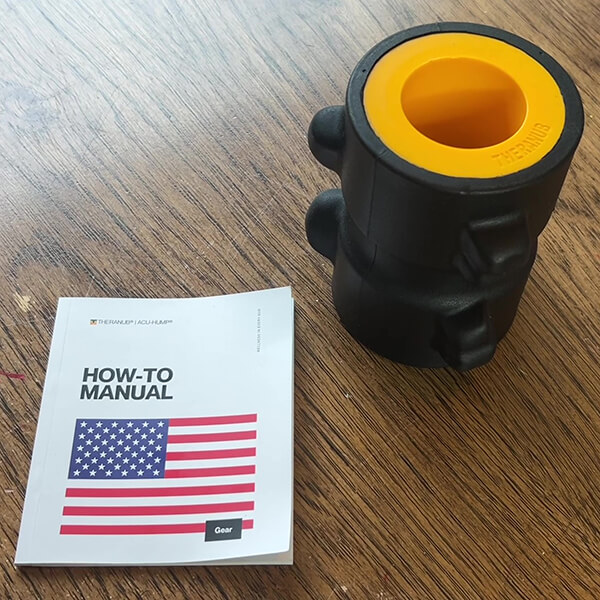
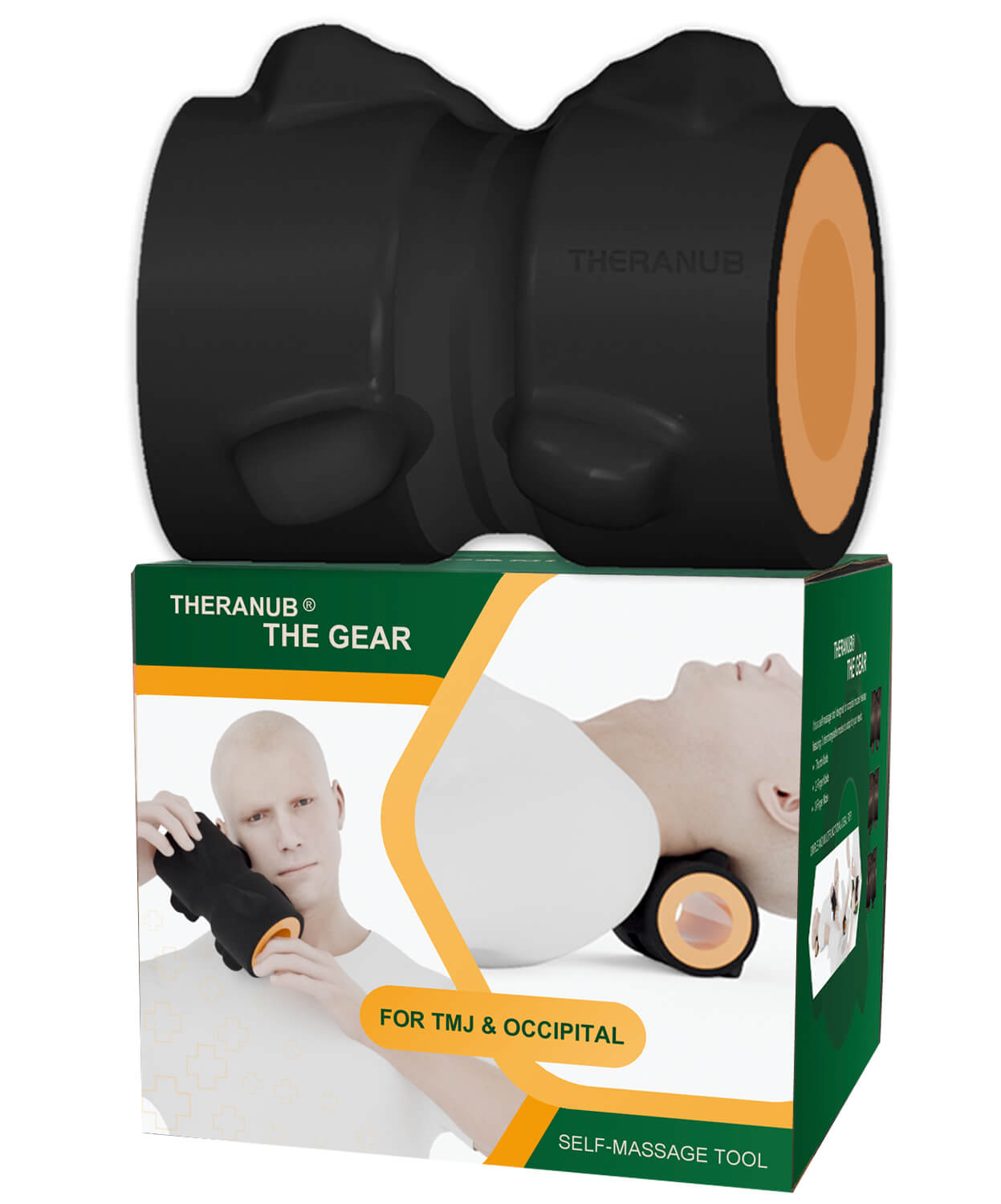
If you experience TMJ disorders(TMD), clicking or popping sounds when eating or speaking, limited jaw opening during dental visits, or even symptoms like ear pain, dizziness, or headaches—these issues may actually be caused by your suboccipital muscles. This article will provide TMJ dysfunction self-care techniques to help these problems go away or become more manageable.
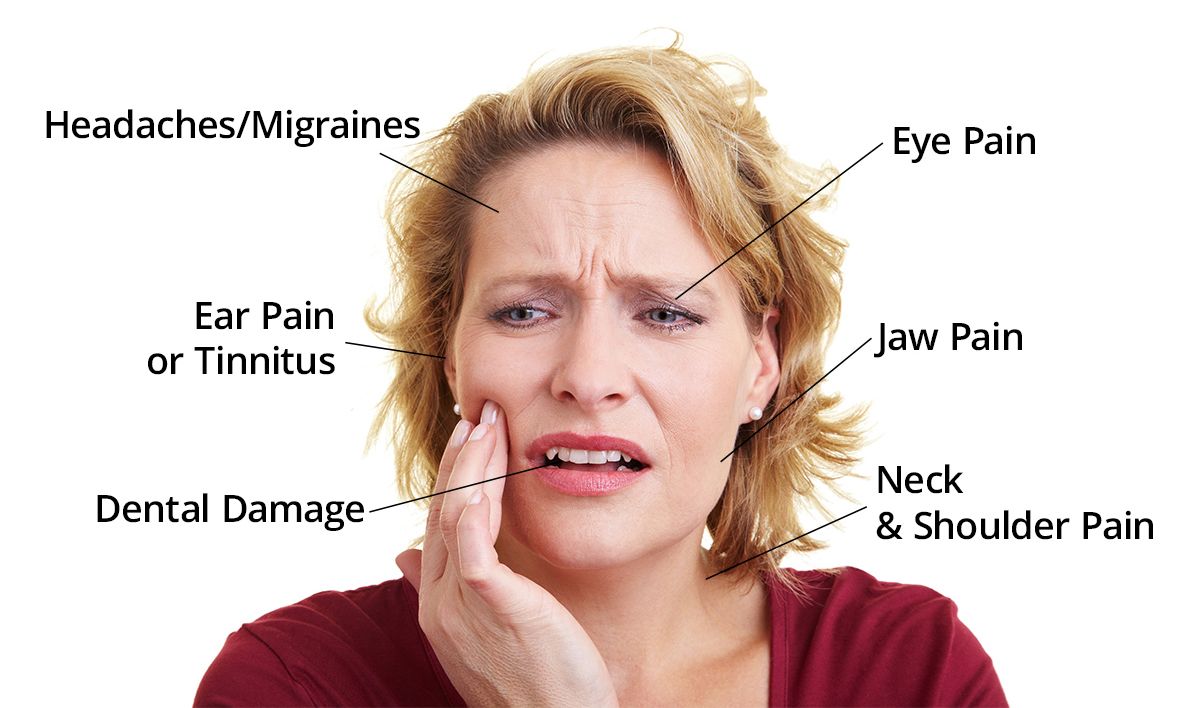
If you experience jaw and head pain, you may also notice discomfort around your temporal, along with symptoms like waking up with ear fullness and dizziness. Many people report a persistent dull, heavy sensation in the head, accompanied by lightheadedness, dry eyes, or orbital pain.
You might think a bad bite is the cause and that it needs orthodontic treatment.
You’re left frustrated and unsure what to do.
Yet the root cause of TMD might surprise you. There’s a strong chance your pain is linked to the suboccipital muscles—the small but powerful muscles at the base of your skull.
What’s the Difference Between TMJ Disorder and a Normal Jaw?
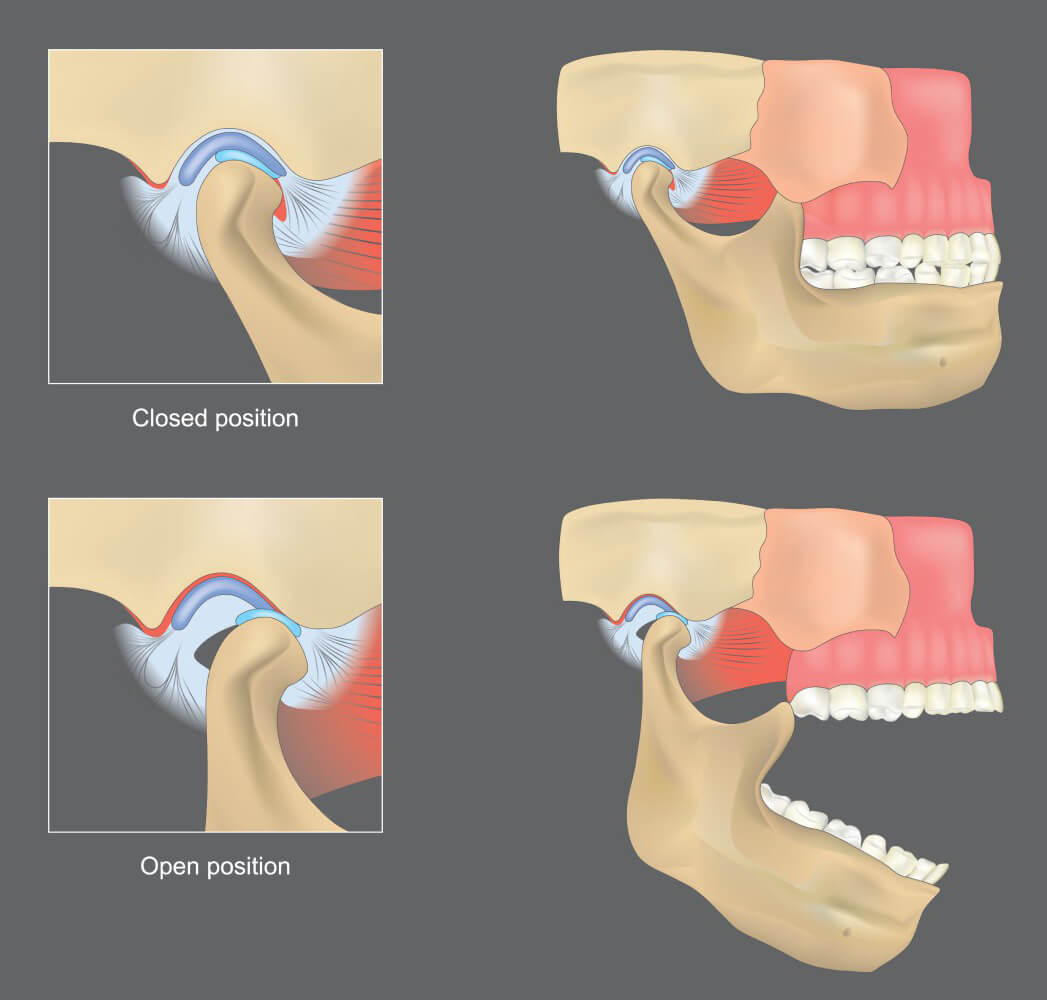
Jaw is the sole mobile facial bone. It articulates with the temporal bone through the TMJ, enabling essential functions like speaking and mastication. Under healthy conditions, jaw movement occurs effortlessly without discomfort, abnormal sounds, or restricted motion.
TMJ dysfunction manifests through several characteristic symptoms:
- Audible joint sounds (such as popping or crepitus) resulting from articular disc misalignment
- Localized discomfort radiating to the temporal region or ears, typically aggravated by jaw activity
- Reduced range of motion, including inability to open the mouth completely or deviated movement
- Hypertonicity of masticatory muscles, often associated with chronic clenching or involuntary contractions
Persistent muscular discomfort and functional impairment in the TMJ complex may progress to TMD, requiring professional evaluation.
Have You Fallen Into These Treatment Traps?
Many people seek help from dentists or specialists after discovering they have temporomandibular joint disorder (TMD), with treatment often focusing on tooth misalignment or masseter muscle tension. Common approaches include using splints, muscle massage, or even orthodontics.
However, these methods mostly only alleviate surface symptoms without addressing the root cause. There is actually disagreement within the medical community about whether malocclusion is the primary cause of TMD. The source of the pain may not lie in the oral cavity itself—the human body is an interconnected system, and tech neck may be the underlying trigger for persistent temporomandibular joint discomfort.
How Suboccipital Muscles Contribute to TMJ Disorders
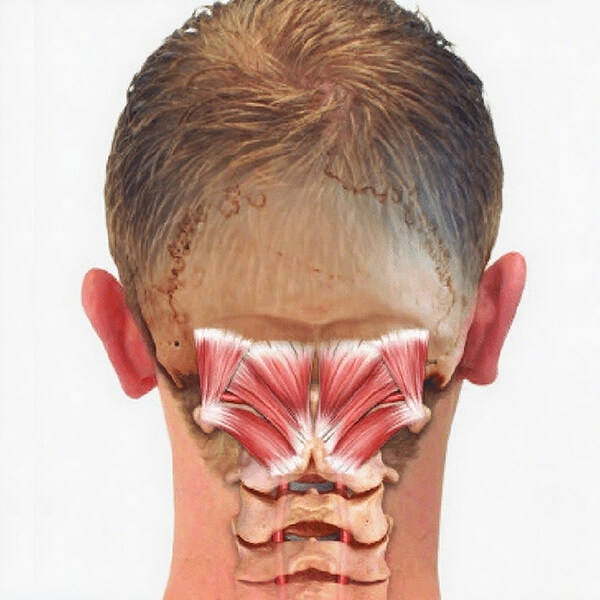
The mandible connects to the skull via the TMJ, where the condyle slides and rotates to facilitate chewing. Coordinated contraction of the masticatory muscles enables this movement, but dysfunction in the lateral pterygoid muscle can lead to TMJ displacement. Although the suboccipital muscles are not directly attached to the mandible, their tension in forward head posture alters jaw mechanics, increasing TMJ load.
Postural Compensation
Forward head posture (common with prolonged screen use) causes shortening of the suboccipital muscles and tightness in the sternocleidomastoid, pulling the hyoid bone downward. The suprahyoid muscles (e.g., digastric) then overwork to stabilize the mandible, potentially triggering TMJ muscle spasms and uneven joint pressure. This may manifest as limited jaw opening or joint clicking.
Fascial Chain Transmission
The suboccipital muscles link to the temporalis and masseter via deep fascia. Tension in the suboccipital can transmit through fascial pathways to the temporalis, causing temporal headaches or chewing fatigue. Conversely, TMJ dysfunction may reflexively worsen suboccipital spasms, creating a vicious cycle.
Vertebral Artery & Blood Flow Impact
Suboccipital tightness may compress the traversing vertebral artery, reducing cranial blood supply. This can disrupt vestibular-mediated jaw coordination, exacerbating TMJ dysfunction.
Why Does TMD Cause Ear Pain and Headaches?
TMD doesn’t just cause jaw hurts—it can also trigger ear pain, tinnitus, and headaches through trigeminal nerve pathways. Additionally, it’s closely linked to dural tension and occipital nerve compression, leading to widespread radiating pain in the head and face.
Where Are the TMJ Nerves Located—And Why Does Jaw Pain Spread So Much?
Sometimes it feels like ear pain, other times like a headache—this confusing pain pattern is directly tied to TMJ nerves.
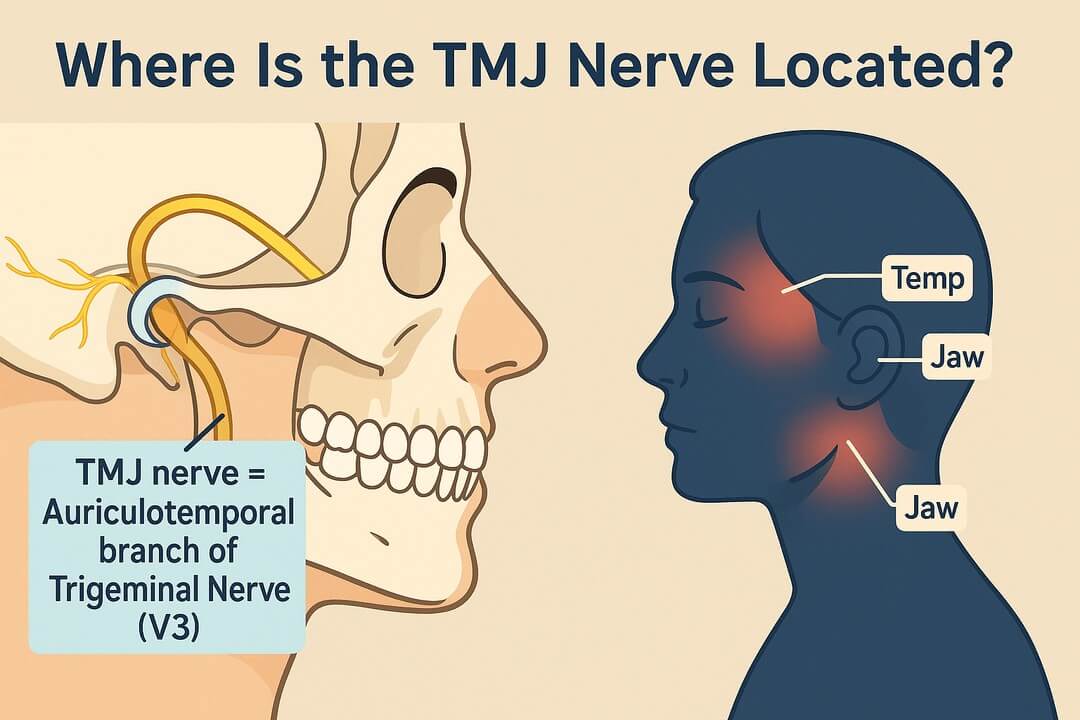
The primary nerve responsible for TMJ sensation is the auriculotemporal nerve, a branch of the mandibular division (V3) of the trigeminal nerve (cranial nerve V)—the largest sensory nerve in the face. It processes pressure, temperature, and pain sensations in the jaw, cheeks, and forehead.
Due to this nerve pathway, any joint inflammation or dysfunction—like disc displacement, joint compression, or grinding-related trauma—can directly irritate the nerve. When this happens, you won’t just feel pain in the joint itself; the discomfort can radiate to all areas connected by the nerve.
Complicating matters, the trigeminal nerve interacts with other cranial nerves, like the facial nerve (CN VII) and cervical nerves in the upper neck. This can lead to symptoms in the eyes, cheeks, neck, and even shoulders. The brain doesn’t always "know" which structure is inflamed—it just receives pain signals and spreads them through overlapping neural networks.
Does TMJ Cause Headaches?
The suboccipital muscles are connected via fascia to the intracranial dura mater (the tough tissue enveloping the brain and spinal cord). When tension increases abnormally on one side, it can asymmetrically pull on the dura, activating pain receptors. This mechanical tension may also disrupt cerebrospinal fluid flow, worsening headaches.
Occipital Nerve vs. Trigeminal Nerve
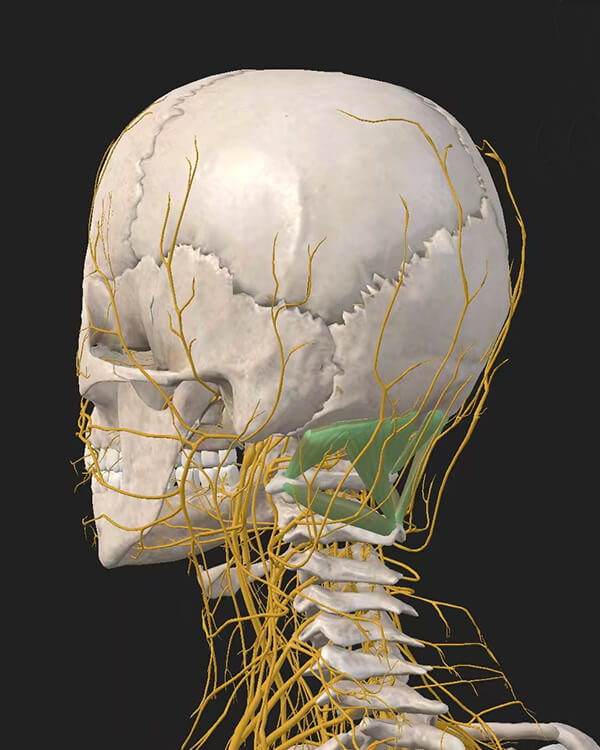
The TMJ is innervated by the mandibular branch of the trigeminal nerve, while the suboccipital muscles are controlled by the C1 posterior ramus (occipital nerve). These nerves converge in the upper neck and brainstem, meaning trigger points in the suboccipital muscles can refer pain to the TMJ, ears, or around the eyes—often misdiagnosed as simple TMD. This referred pain also stems from tight suboccipital muscles.
Thus, treating TMD requires more than just addressing the jaw joint—it’s crucial to relax the suboccipital and facial muscles. Next, we’ll share simple, effective at-home techniques to help you quickly reduce pain and restore comfort.
Treatment Options for TMJ
How to helps with TMJ flare-ups? This "2-pronged" approach combines professional therapy with at-home techniques to relax muscles and ease joint pressure at the root cause—starting with the most crucial step: physical therapy.
Physical Therapy: Professional Techniques
A licensed therapist will use integrated manual therapy to relax your masseter and suboccipital muscles. They’ll apply pressure to your jaw muscles while guiding you through TMJ exercises for clicking jaw.
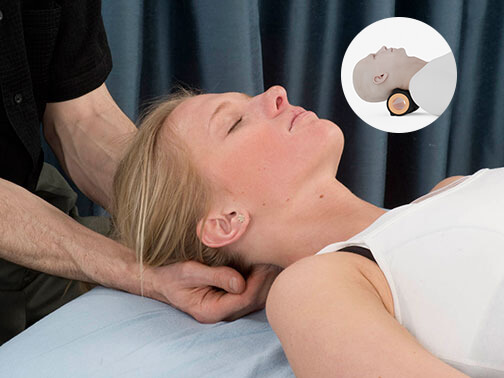
At the end of each TMD session, they’ll release your suboccipital muscles. You’ll lie flat on the treatment table while the therapist cradles the back of your head, positioning their fingertips along the suboccipital trigger points.
This relief is temporary—won’t last long, so consistency is key. If frequent appointments are not practical, you can also use the Gear to help you maintain progress at home.
THERANUB Gear: TMJ Trigger Point Massage
Step 1: Relieve TMJ Pain
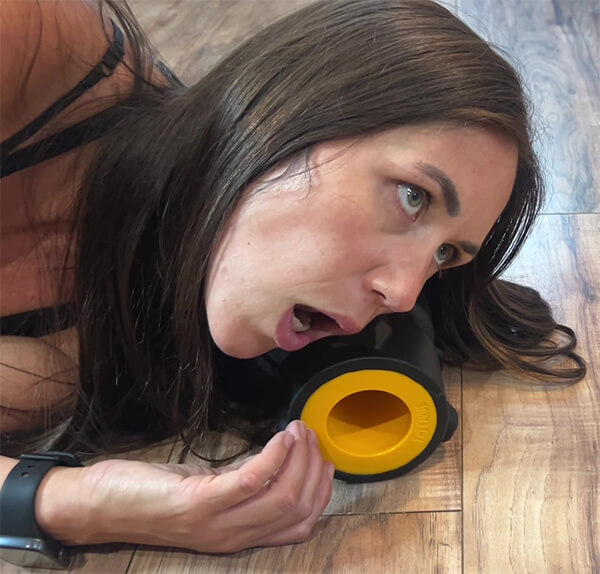
The Gear acts as a TMJ neck massage tool. By applying steady, deep pressure, it releases tension in the masseter muscles.
How to use:
- Lie face-down and position the nubs over your masseter trigger points.
- Press your tongue against the roof of your mouth and slowly open your jaw wide.
- Release your tongue and gently close your mouth.
Result: Your masseters and suprahyoid muscles will relax, reducing jaw stiffness.
THERANUB Gear
TMJ Relief Products
Step 2: Release suboccipital Muscles
With the Gear, this technique is simple to perform at home.
How to use:
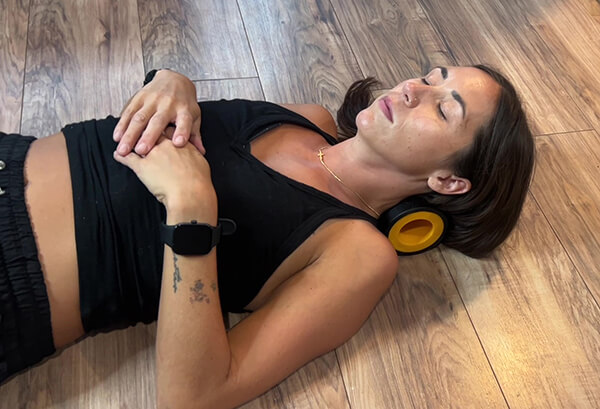
- Lie on your back and place the tool beneath your skull, aligning the massage nodes with your suboccipital muscles.
- The raised nodes will target the trigger points in this area.
- Close your eyes and relax completely—the natural weight of your head creates the perfect pressure. No appointment or assistance needed.
- Hold for 1.5–3 minutes per session. That’s it—suboccipital release done. No commute, no hassle. Just grab the Gear and unwind tension anytime.
THERANUB Gear
TMJ Relief Products
Want to achieve deeper relaxation? If you're comfortable, try slowly tilting your head from side to side. This gentle motion not only enhances the massage effect but also helps restore flexibility in your upper cervical spine. Remember to keep movements slow and smooth—let each tilt become a soothing moment of relaxation. The entire process feels like receiving professional therapy, thoroughly releasing tension in your sub-occipital muscles.
Through these 2 steps, your sub-occipital muscles, facial muscles, and upper back (trapezius) will all relax. The pressure on your TMJ will also be significantly reduced.
TMJ Mouth Guard
A nocturnal bite splint is a common oral appliance designed to reduce excessive tooth wear caused by nighttime grinding or clenching, while also alleviating additional pressure on the TMJ. It can also help adjust jaw positioning, maintaining previously restored TMJ and sub-occipital muscle alignment.
When combined with professional physical therapy and at-home supportive care (such as the Gear and TMJ dysfunction exercises), it not only promotes full relaxation of facial, head, and neck muscles but also leads to sustained symptom improvement, reduced frequency of TMD flare-ups, and more efficient pain management.
THERANUB Gear
30-day return policy. No risk for you.
What Makes the SuboOccipital Release Gear Unique?
Precision Replication of Professional Techniques
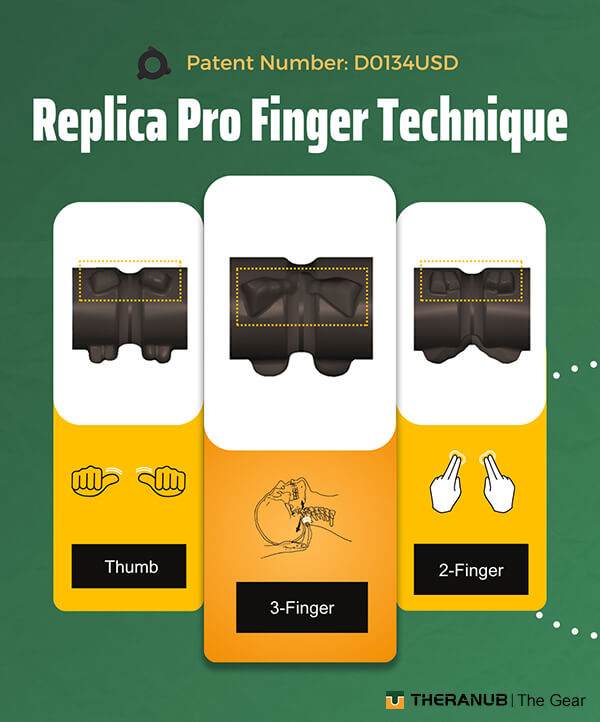
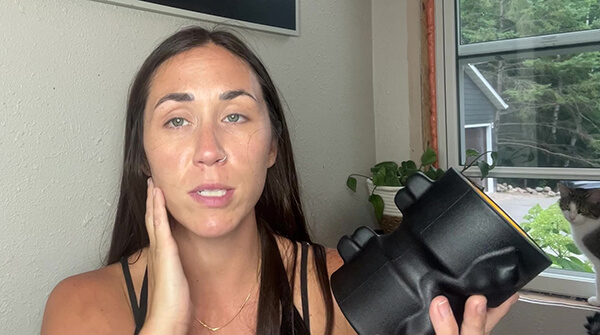
It features 3 massage modules, allowing you to choose one per session. Each module is designed based on a therapist’s manual techniques, including finger spacing and angles. With its unique triangular positioning system, it perfectly replicates precise pressure application. Even beginners can master it instantly. Say goodbye to booking waitlists—enjoy clinic-level precision massage at home.
THERANUB The Gear
Suboccipital Release Tool for TMJ Relief
How Does It Improve Upon Original Suboccipital Release Tools?
Not only does it retain the original three-finger design, but it also introduces new thumb and dual-finger modules, incorporating the three most effective clinical massage techniques. No longer limited to a single application.
THERANUB The Gear
Suboccipital Release Tool for TMJ Relief
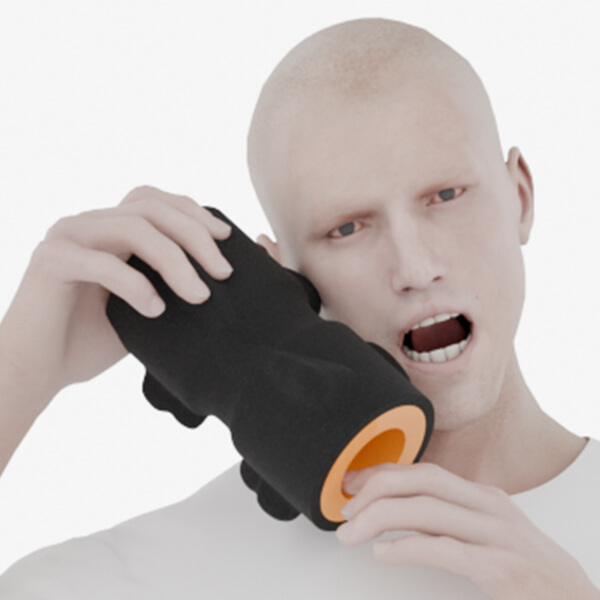
Beyond exceptional suboccipital relaxation, a simple adjustment transforms it into a handheld massager, effortlessly relieving tension in the masseter muscles and meeting comprehensive TMJ relaxation needs—TMJ exercises + suboccipital release.
THERANUB Gear
TMJ Relief Products
FAQ: Safe and Effective Use of the Gear
Q: Does the Gear need to be charged or use batteries?
A: No, it's completely power-free. Designed as a handheld mechanical massage device, it works through manual operation without electricity. Its compact size makes it perfect for travel—just toss it in your bag or carry-on for instant tension relief during flights. Skip expensive therapy appointments and experience targeted suboccipital muscle relaxation wherever you go.
Q: Is this suitable for overnight use as a pillow?
A: No, this device is not designed for prolonged use like a pillow. For optimal results and safety, limit each session to 5 minutes. Extended contact may lead to discomfort rather than relief. Additionally, remember that chronic headaches are often linked to poor sleep posture and excessive pillow height. While this tool helps relax the suboccipital muscles, lasting relief also requires addressing these underlying sleep habits.
Q: Can anyone use the Gear?
A: While designed for broad use, it’s ideal for:
- Prevention-focused users – Helps maintain healthy jaw and neck mobility to reduce TMJ risks.
- Tension relief seekers – Targets stubborn suboccipital tightness from stress or poor posture.
Do not use if you have:
- Vertebral artery issues
- Recent neck injuries (e.g., fractures)
- Suspected nerve/vascular compression
- Neurological symptoms (numbness/weakness)
Q: Can massaging the suboccipital muscles cure TMJ disorders permanently?
A: While targeted massage can significantly ease TMJ-related discomfort and tension headaches, its effects are generally short-term. Imagine it as a "reset" button for muscular strain—it breaks the cycle of tightness and referred pain, providing rapid relief when you need it most. For lasting TMJ management, we recommend combining this with professional medical guidance.
However, if the root causes (e.g., prolonged phone use, poor sleep posture, stress-induced teeth grinding) remain unaddressed, symptoms are likely to recur. Relaxing muscles is like "putting out a fire," but unless you eliminate the "spark" (bad habits), headaches will eventually return.
No More Guesswork for TMD.
The THERANUB Gear lets you precisely target the source—suboccipital muscles—at home.
THERANUB The Gear
Suboccipital Release Tool for TMJ Relief
Its innovative triple-module design addresses three key issues in one: tense masseters, stiff suboccipital muscles, and TMJ dysfunction.
Click to Buy Now and treat TMJ comfortably at home.
THERANUB The Gear
30-day return policy. No risk for you.