
Have you ever experienced a deep, lingering pain in your hips after sitting for too long, or even radiating down your leg?
Are you looking for ways to alleviate sciatica on one side and regain the ability to walk or sleep comfortably?
These symptoms may indicate piriformis-related issues. For those experiencing such discomfort, various management strategies exist, among which self-myofascial release techniques using specialized tools can be a helpful component.
A tool specifically designed for this area, such as the Acu-Hump, aims to apply targeted pressure to the gluteal region. It is used by some individuals as part of their routine to help alleviate muscular tension.
This article will guide you through the world of piriformis and its related conditions, while providing a detailed guide on how to properly use the butt massage tool to provide a detailed guide on how to use the tool properly as part of a broader approach to managing discomfort. Whether you’re a sedentary office worker or an active fitness enthusiast, this article will offer practical, science-backed solutions to help you reclaim a pain-free life.
Ready for a change? Let’s explore the releasing power of the butt massage tool, say goodbye to piriformis tightness, and embrace health and freedom.
- Piriformis Tightness and Related Conditions
- Choosing and Preparing Your Massage Tool
- Step-by-Step Guide to Using the Massage Tool: Precision and Science for Pain Relief
- FAQs: Using the Tool Safely and Effectively
- Combining Other Therapies for Enhanced Results: A Multi-Pronged Approach to Recovery
- From Pain to Relief, Starting a New Chapter in Health
Piriformis Tightness and Related Conditions
Piriformis Muscle: The Hidden Source of Hip Pain
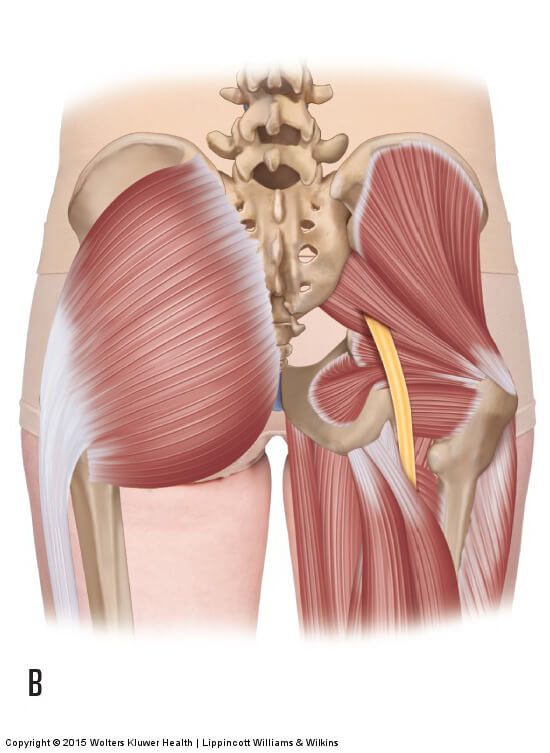
The piriformis muscle, located deep within the hip, may be small, but it plays a vital role in connecting the hip joint to the sacrum.
Its primary function is to assist in hip external rotation and stabilize the pelvis during activities like walking and running.
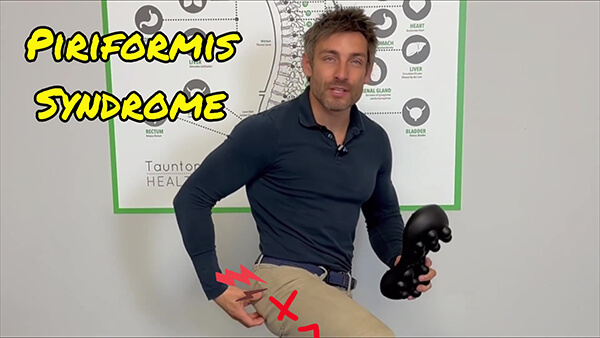
When the piriformis becomes tight or inflamed due to prolonged sitting, overuse, or poor posture, it can compress or irritate the nearby sciatic nerve, leading to piriformis syndrome.
Symptoms and Triggers
Common symptoms of piriformis syndrome include:
- Deep hip pain: Often localized to one side of the hip, possibly radiating down the back of the thigh.
- Sciatica: Pain may travel along the path of the sciatic nerve, extending to the calf or foot.
- Limited mobility: Pain worsens with prolonged sitting, climbing stairs, or running, affecting daily life.
Triggers include prolonged sitting, overexertion, poor posture (e.g., crossing legs), and pelvic imbalances.
Gluteus Muscles
The piriformis muscle is located beneath the gluteus medius and shares functional responsibilities with it.
When the gluteus medius is weak, additional workload is placed on the piriformis muscle, which can lead to pain and neurological symptoms.
Experts now call this condition Deep Gluteal Syndrome.
Sciatica: The "Chain Reaction" of Piriformis Syndrome
Sciatic pain can occur when the piriformis muscle in the buttock compresses the sciatic nerve. This nerve originates in the lower spine and travels down the leg. Many people mistake the source of this pain, thinking it's in the lower back when it's actually the piriformis.
How to Self-Massage the Piriformis Muscle?
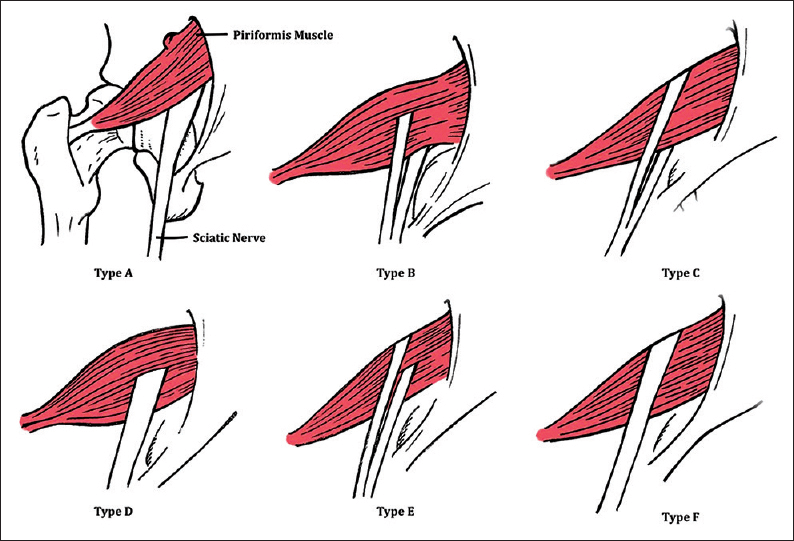
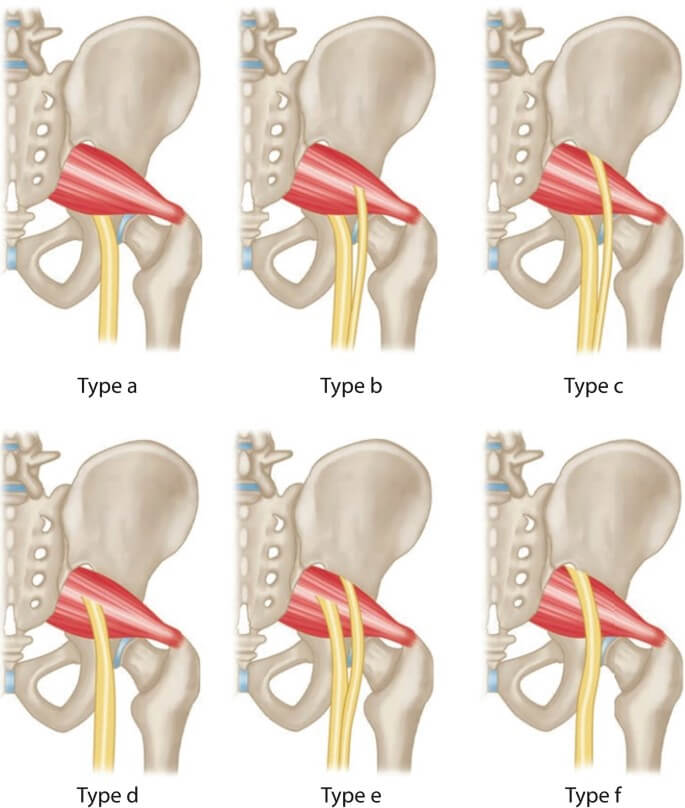
Why must we avoid applying pressure to the entire piriformis muscle? This diagram illustrates 6 common anatomical relationships between the piriformis muscle and the sciatic nerve. As shown, applying direct pressure to the central part of the piriformis may compress the sciatic nerve and potentially worsen discomfort.
Avoid the middle area of the muscle and instead focus on gently pressing the origin and insertion points of the piriformis. This is exactly why a specialized butt massage tool is highly recommended.
Choosing and Preparing Your Massage Tool
Selecting the Right Tool: Precision and Comfort
Choosing the right massage tool is crucial for relieving piriformis tightness.
4 Common Piriformis Tools:
- Massage ball: Portable and great for targeted pressure, but requires flexibility and skill for precise use.
- Foam roller/Triangle yoga blocks: Difficult to apply pressure only to specific parts of the piriformis muscle when using these devices, which may result in compression of the sciatic nerve and increased discomfort.
- Massage gun: Provides percussive therapy but lacks stretching capabilities.
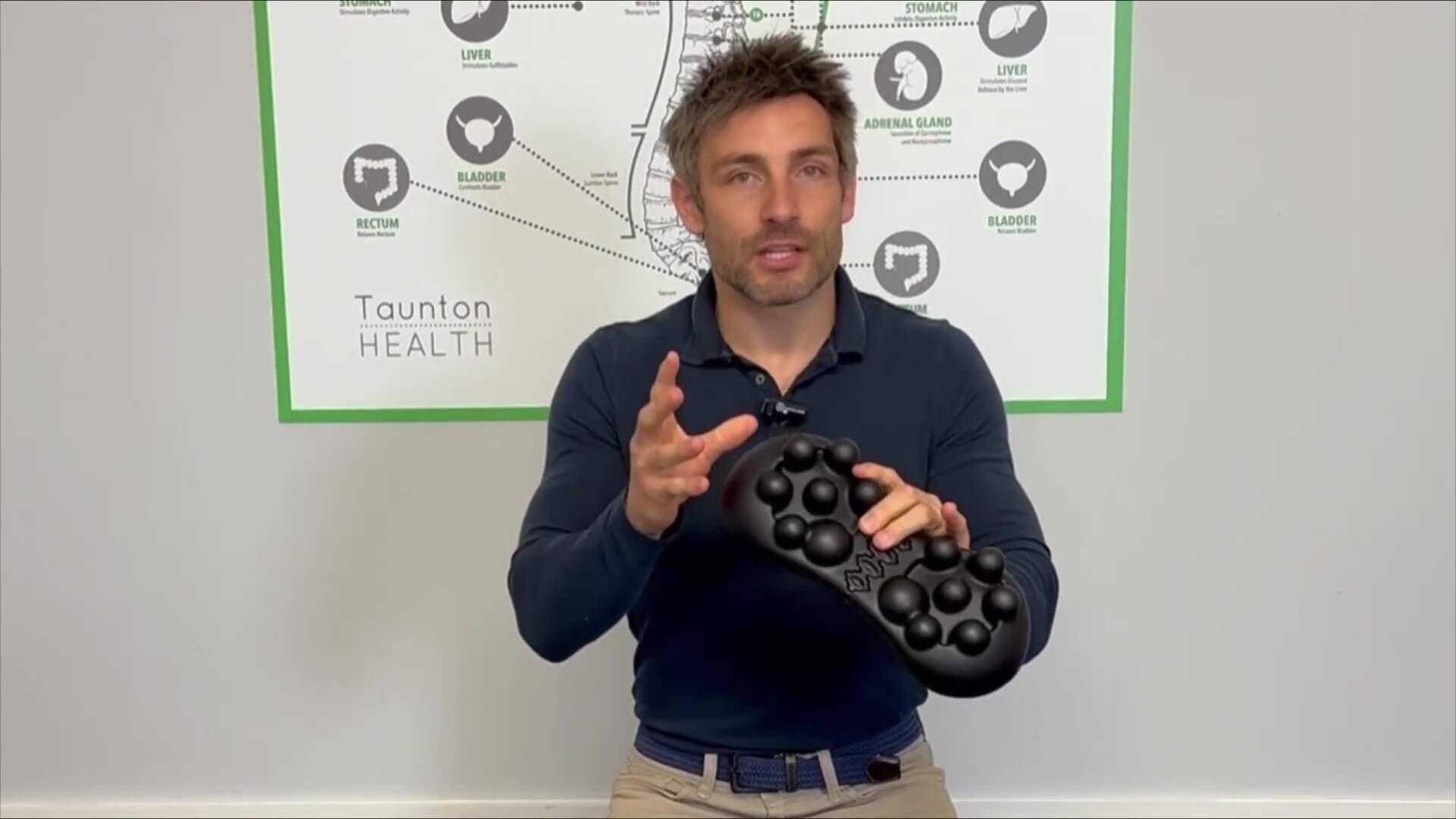
- Acu-Hump: A butt massage tool specifically designed for piriformis massage. It presses tight muscles, providing acupressure similar to that from a massage therapist's fingers.
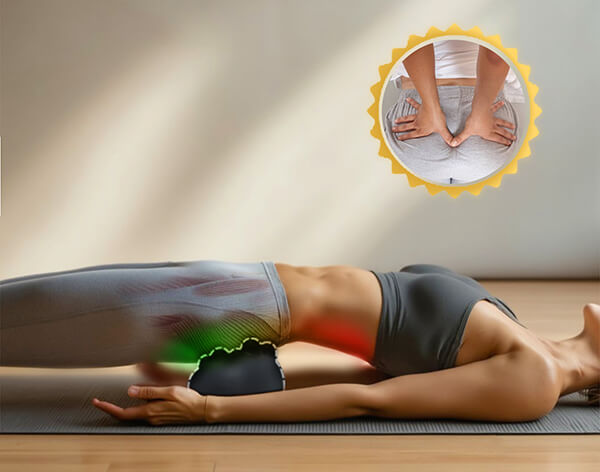
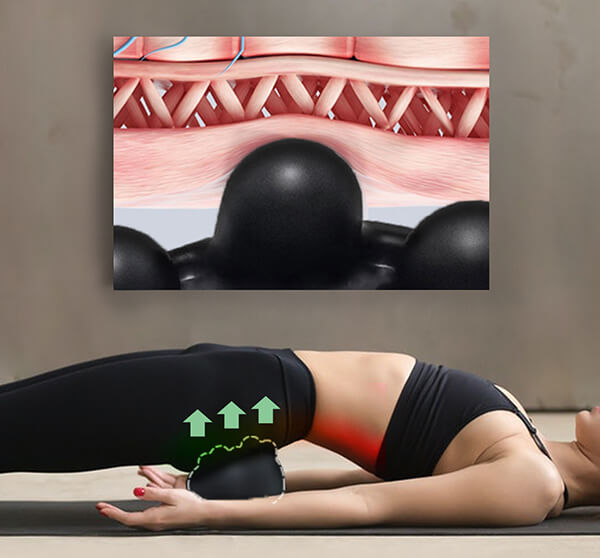
Its design is intended to apply focal pressure to the gluteal muscles, based on the principles of trigger point therapy and self-myofascial release. May contribute to reducing muscle stiffness and improving local discomfort, although individual responses can vary.
Design Features of the Acu-Hump:
- Focal Pressure Application: The tool's shape is intended to concentrate pressure on the gluteal region.
- Ergonomic Shape: Designed to conform to the hip area for stability during use on various surfaces.
- Multi-Purpose Use: Works not only for the tight piriformis but also for the glutes, lower back, and more.
Acu-hump®:
30-day return policy. No risk for you.
Preparation for Use: Laying the Foundation for Effective Relief
Before starting, proper preparation can enhance results and prevent unnecessary strain.
What You Need to Know Before Starting:
- The tighter the muscle, the more intense the pain. Stop immediately if it becomes unbearable.
- Gradually adapt. Start with short sessions and increase over time.
- Use on a mattress, sofa, or flip the tool to reduce difficulty.
Acu-hump®
Butt Massage Tool
Mental Preparation:
- Stay focused: Pay attention to your body’s feedback and adjust pressure and position accordingly.
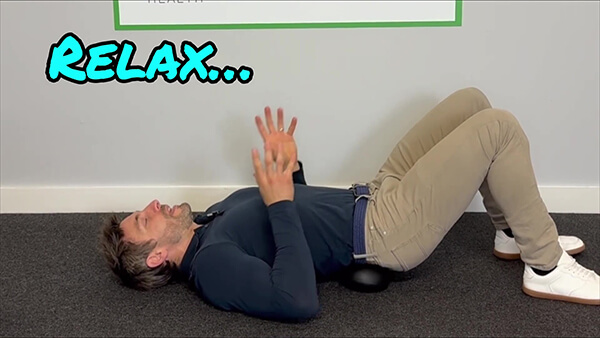
- Breathe deeply: Deep breathing during massage helps relax the body and enhance results.
Step-by-Step Guide to Using the Massage Tool: Precision and Science for Pain Relief
Trigger Point Therapy: Releasing Tension in the Piriformis
1. Start slowly:
- Place the Acu-Hump on the floor and sit on it.
- Variations: Use it on a chair, bench, or bed.

Acu-hump®
Butt Massage Tool
2. Apply moderate pressure:
- Bilateral massage: Ensure both sides of the piriformis are relaxed to avoid muscle imbalance.
- Rock gently around the center of the hip, avoiding rapid or excessive movements.
- Gradually increase pressure, holding for 15-30 seconds until pain subsides.
- Note: Keep pressure within a comfortable range to avoid over-pressing.
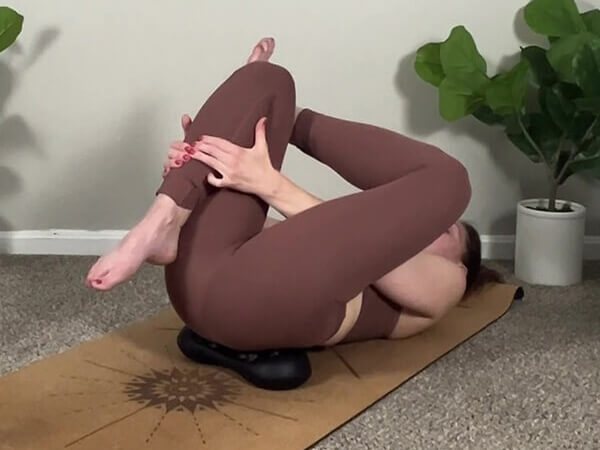
3. Combine with stretches:
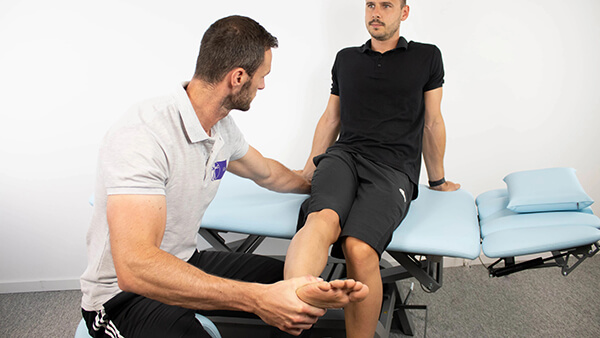
When is it appropriate to stretch? During the acute inflammatory period, massage may be applied. However, active stretching protocols must await full resolution of the acute symptoms.
If possible, place your right ankle on your left knee for 30 seconds, then switch sides.
Acu-hump®
Butt Massage Tool
Key Things to Know About Sciatic Pain:
It's a symptom, not a diagnosis itself. The real issue could be in your lower spine, sacroiliac joint, or buttock muscles (like the piriformis).
While massage and stretching can relieve muscle-related tension, they don't work for everyone.
FAQs: Using the Tool Safely and Effectively
Q 1: Does this thing need to be charged?
Nope! No cords, no charging—just grab it and go. Use it on the couch, at the office, or even mid-travel. It mimics a massage therapist’s hands-on ischemic compression technique, delivering targeted relief anytime, anywhere. No plugs, no problem!
Q 2: Foam rollers feel too stiff and awkward… is this the same?
Not even close! Here’s why Acu-Hump wins:
- Flexi-Fit Design: Unlike rigid foam rollers, it bends to hug your curves, pressing glutes and spine-side muscles at once.
- Precision Meets Power: Scientifically spaced bumps target stubborn knots faster than a foam roller approach.
- Stability Hack: Lies flat on the floor—no rolling wild or chasing angles.
Q 3: Does using the Acu-Hump hurt?
Some users may experience discomfort initially, especially if targeting tight areas. However, the Acu-Hump’s firmness is rigorously tested to provide optimal pressure for muscle recovery while allowing slight deformation.
If you’re new to the device, we recommend starting on a soft surface like a bed to gradually acclimate to the sensation.
Combining Other Therapies for Enhanced Results: A Multi-Pronged Approach to Recovery
Exercise Therapy: Strengthening and Stretching for Muscle Recovery
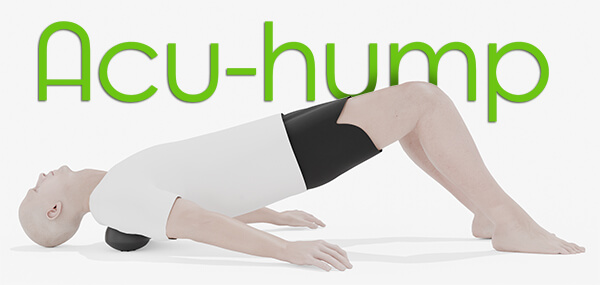
Piriformis strengthening:
Side-lying hip abduction: Lift the upper leg slowly, hold for 2-3 seconds, and repeat 10-15 times.
When you incorporate the Acu-Hump into your exercises, it presses on your upper back while strengthening your hip muscles, releasing the pull that your back muscles have on your hip muscles.
A benefit unavailable with elastic bands or other massage tools.
Piriformis Stretch:
Your bodies function as an interconnected system; this area is often closely related to issues in the lower back, pelvis, and even the legs.
Acu-hump®
Butt Massage Tool
Lifestyle adjustments:
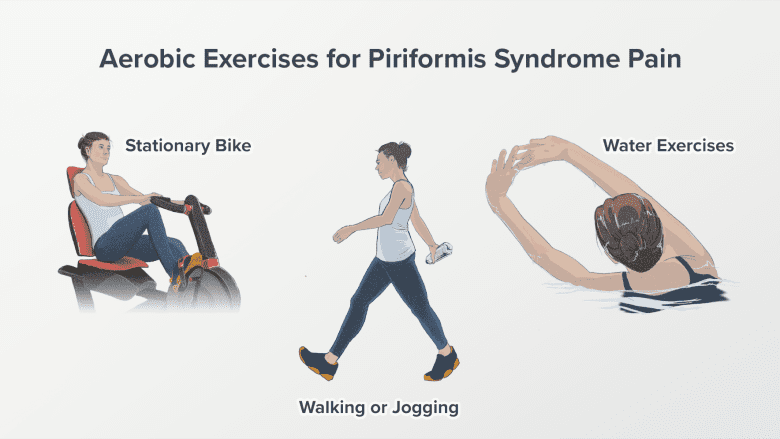
Avoid prolonged sitting, maintain good posture, and reduce stress on the piriformis.
Professional Treatment: Ensuring Comprehensive Recovery
- Physical therapy: Combine with professional treatments like deep tissue massage or ultrasound therapy.
- Medication: Use NSAIDs (e.g., ibuprofen) under medical supervision for pain relief.
From Pain to Relief, Starting a New Chapter in Health
If you're considering adding a focused butt massage tool to your routine, the Acu-Hump is one option designed specifically for this purpose.
Consistency in self-care, combined with other healthy habits and professional guidance when needed, is essential for effectively managing muscle-related discomfort.
Acu-hump®
Butt Massage Tool
Reference:
1. Gluteal Tendinopathy: Critical Analysis Review of Current Nonoperative Treatments - PubMed
2. From Piriformis Syndrome to Deep Gluteal Syndrome - Practical Neurology
3. Piriformis Muscle Stretch and Physical Therapy | Spine-health