Dealing with a SI joint pain? You’re not alone—it in your lower back can be a real pain in the butt (literally). In this post, we’ll break down the telltale symptoms of SI joint dysfunction, what’s actually causing the drama, and how to unlock SI joint by yourself.
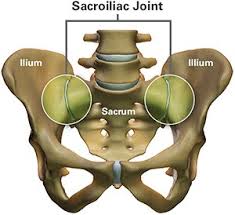
The SI (sacroiliac, iliosacral) joint is your body’s unsung hero, working hard to absorb shock and keep you moving. But when it gets pissed off, it can make sitting, standing, or even walking a nightmare. Believe it or not, up to 25% of lumbar sacral pain cases can be blamed on this troublemaker.
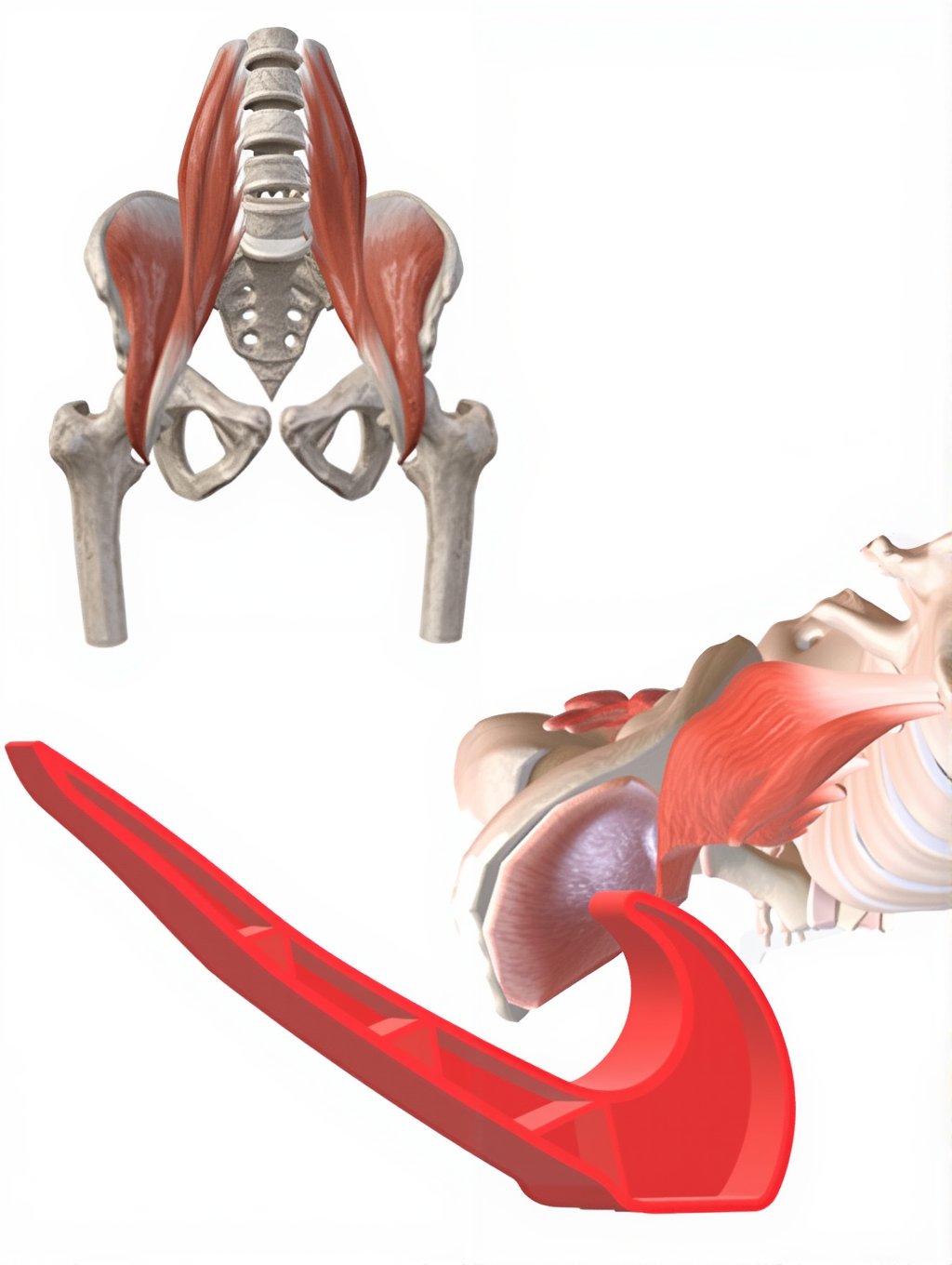
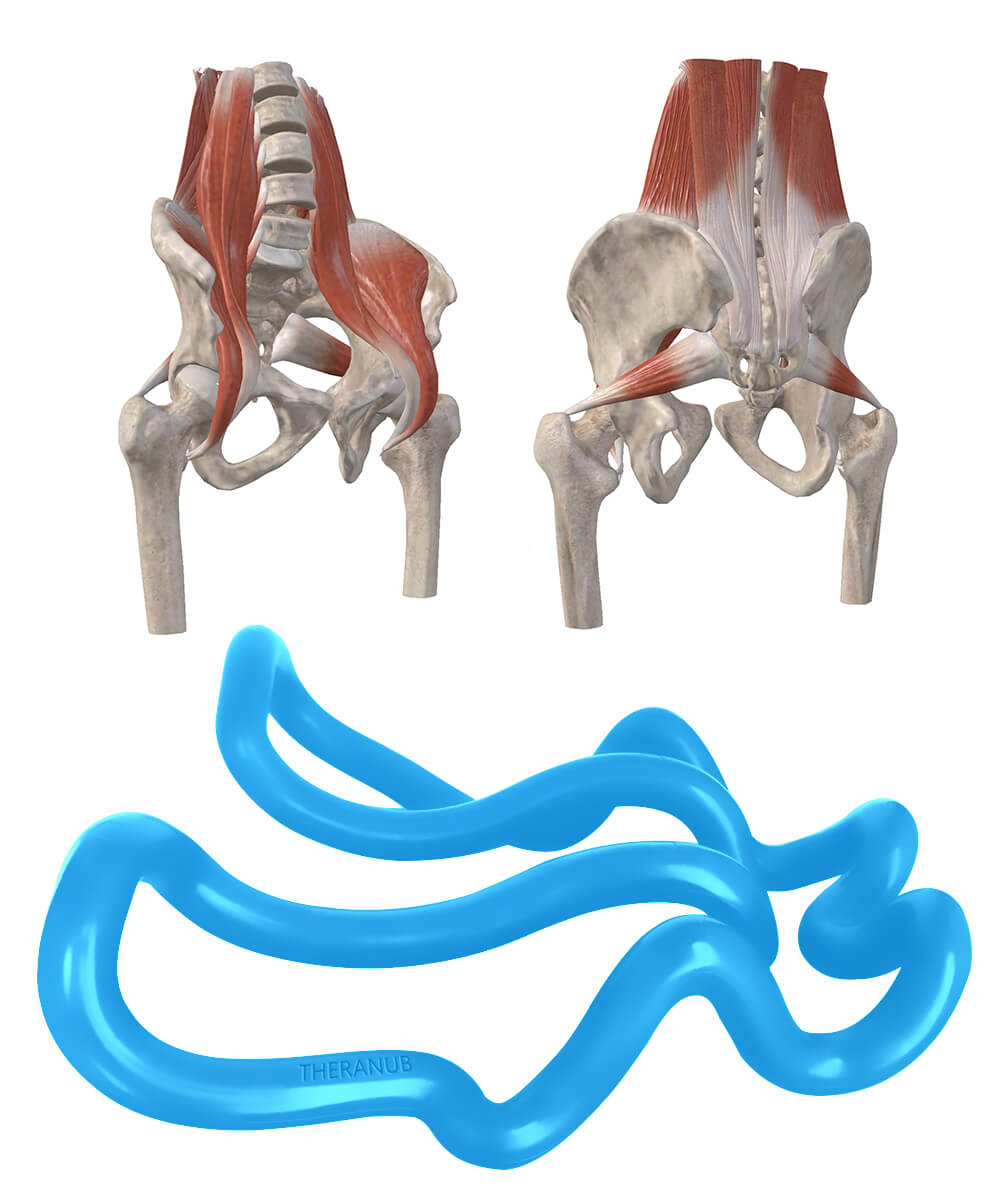
It’s tight buddies with 3 key muscles—the iliopsoas, piriformis, and quadratus lumborum—and when those guys get too tense, they can totally throw your SI joint out of whack. The good news? We’ve got the inside scoop on how to pop them and get you back in action.
What is the SI Joint in the Lower Back: The Body's Hidden Shock Absorber
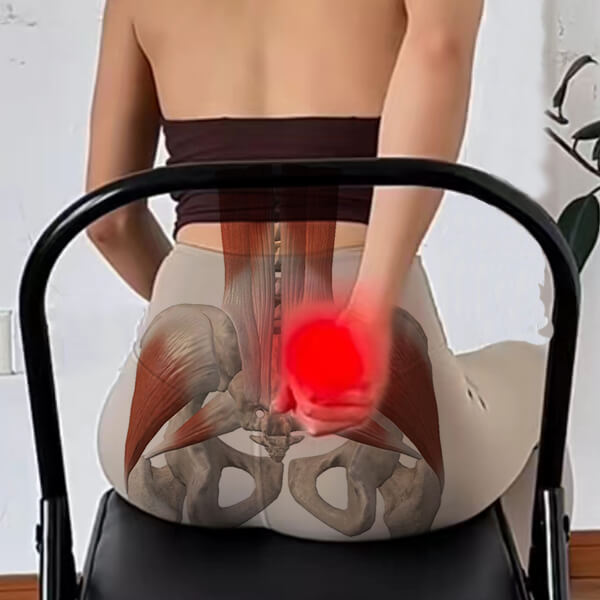
When you rest your hands just above your lumbar sacral, those curved protrusions beneath your fingertips mark the location of the SI joints.
Like a precision-engineered bridge, they firmly connect the spine to the pelvis.
Whether enduring the steady strain of lifting heavy objects or absorbing the sudden impact of running and jumping, it functions like a diverter—dispersing forces across the entire pelvis to shield the lumbar spine from harm.
Where is SI joint pain felt?
When your SI joint acts up, the symptoms can hit everyone differently—some folks deal with a nagging, dull ache that can cause hip pain and lower back discomfort, while others just feel it locked in their lower back.
But it doesn’t end there. A cranky SI joint can send discomfort on a road trip: discomfort might shoot down nerve pathways like a lightning bolt, zapping your butt, groin, or even wrapping around your thigh like a fiery belt. Some people feel muscles tighter than a drum, like they’re strapped down by invisible ropes, or their joints get stiff as a rusty gate. Others might notice weird skin sensations—like creepy-crawly tingles or patches of numbness that just don’t feel right.
Every movement in daily life can become a challenge:
- Turning to grab something, the pelvis protests like a jammed gear
- Lying on the affected side while sleeping feels like pressing onto shattered glass
- Climbing stairs brings an uncoordinated, mechanical grinding sensation in the hips
- Stepping off a curb sends a dizzying sense of pelvic misalignment
- Prolonged sitting while driving or standing gradually builds unbearable tension in the lower backThese symptoms all tell the same story: sacroiliac joint dysfunction.
What causes SI Joint pain?
SI joint (SIJ) pain usually doesn’t happen by chance. Common causes include pelvic misalignment, repetitive stress injuries, childbirth, hypermobility, or imbalances in exercise load. Below, we’ll break down each of these potential factors.
Pelvic misalignment: the "gear jamming" of the SIJ
Pelvic misalignment includes 2 conditions: pelvic torsion and anterior pelvic tilt.
What is Pelvic Torsion?
This occurs when one side of the pelvis rotates forward relative to the other. Such torsion alters the relative position of the sacrum and ilium, leading to abnormal friction in the joint surfaces. Over time, this can cause soft tissue wear and inflammation.
Can anterior pelvic tilt cause si joint dysfunction?
In this case, the entire pelvis tilts forward, resulting in excessive lumbar lordosis. Not only does this place extra strain on the sacroiliac joint, but it also subjects the lumbar spine to abnormal pressure.
However, note this: Neither of these is the true root cause of sacroiliitis—the underlying issue is always pelvic misalignment due to muscular imbalances in the hips.
Muscle imbalance is the real problem.
A crooked pelvis usually comes from uneven muscle strength - like when one side's iliopsoas are way too tight (we'll break down why these muscles matter so much later). What's really important to know is that a misaligned pelvis can start a whole domino effect, leading to other issues like scoliosis or even making one leg seem shorter than the other.
Traumatic factors should not be overlooked either
Acute injuries (such as car accidents or tailbone impacts) or old injuries (like previous foot/ankle or knee/hip surgeries) can all lead to pelvic misalignment. These injuries alter the body's movement patterns, gradually creating muscular compensations that ultimately affect pelvic positioning and sacroiliac joint function. (Curious about the crucial role the iliacus muscle plays in pelvic health? Keep reading—you’ll find the answer!)
SI joint pain in pregnancy: an overlooked issue
Research reveals that over 80% of women aged 35+ who have given birth don’t realize SI joint pain during pregnancy is a common—and often debilitating—issue, frequently misattributed to top of pelvic pain, herniated discs, or sciatica. In truth, sacroiliac joint dysfunction is a leading cause of severe lower back pain, sometimes leaving expectant mothers in agony so intense they can’t walk.
When does SI joint pain start in pregnancy? The primary culprit is relaxin, a hormone that surges during pregnancy, loosening pelvic ligaments and muscles to accommodate fetal growth and delivery. While this process is vital, it can destabilize the pelvis, triggering debilitating pain, particularly in women with pre-existing imbalances or asymmetrical SI joints. Many healthcare providers recommend starting SI joint stretching exercises prenatally to help relieve and prevent discomfort.
After pregnancy, the effects linger: lax ligaments and altered posture compound the strain, and for many, pain persists without intervention. Sadly, this postpartum struggle is rarely discussed, leaving women to endure what could be preventable suffering. Nature’s design, though ingenious, demands awareness—because no new mother should have to fight just to stand.
The hidden risks of overdoing your workout
High-intensity athletes—like gymnasts or yoga enthusiasts—often push their joints into hyperextension. While this boosts flexibility, it sacrifices stability. To compensate, the brain triggers a protective response: constantly tensing surrounding muscles to stabilize overstretched joints. This overworked tension can throw off your SI joint balance, leading to mobility issues.
In contact sports (football, hockey) or rotational movements (golf, baseball), SIJ problems are common. A hard tackle on the field or an unexpected hip check in hockey can knock your pelvis out of alignment, sparking SIJ pain.
Even sports like golf and baseball pose risks. A single swing engages nearly 40 muscles in your lower back, hips, and glutes to protect the SI joint. But if some muscles are too tight, your body compensates by overusing areas meant to stay stable—like your lower back and SI joint. Over hundreds of swings, that unnatural stress adds up, eventually causing pain.
Of course, these are just a few examples. Any activity that throws off pelvic balance—even daily habits—could be the culprit. Take a closer look at how you move. You might just find the root of your aches.
3 Muscles That Affect SI Joint Pain
Although over 20 muscles connect to sacroiliac joint, the iliopsoas, piriformis, and quadratus lumborum deserve your special attention. In rehabilitation practice, these 3 muscles are key to stabilizing the sacroiliac region.
Can a Tight Iliopsoas Cause SI Joint Pain?
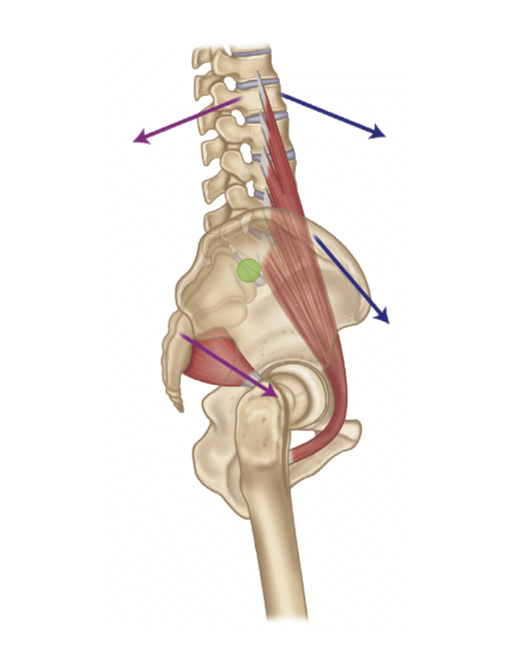
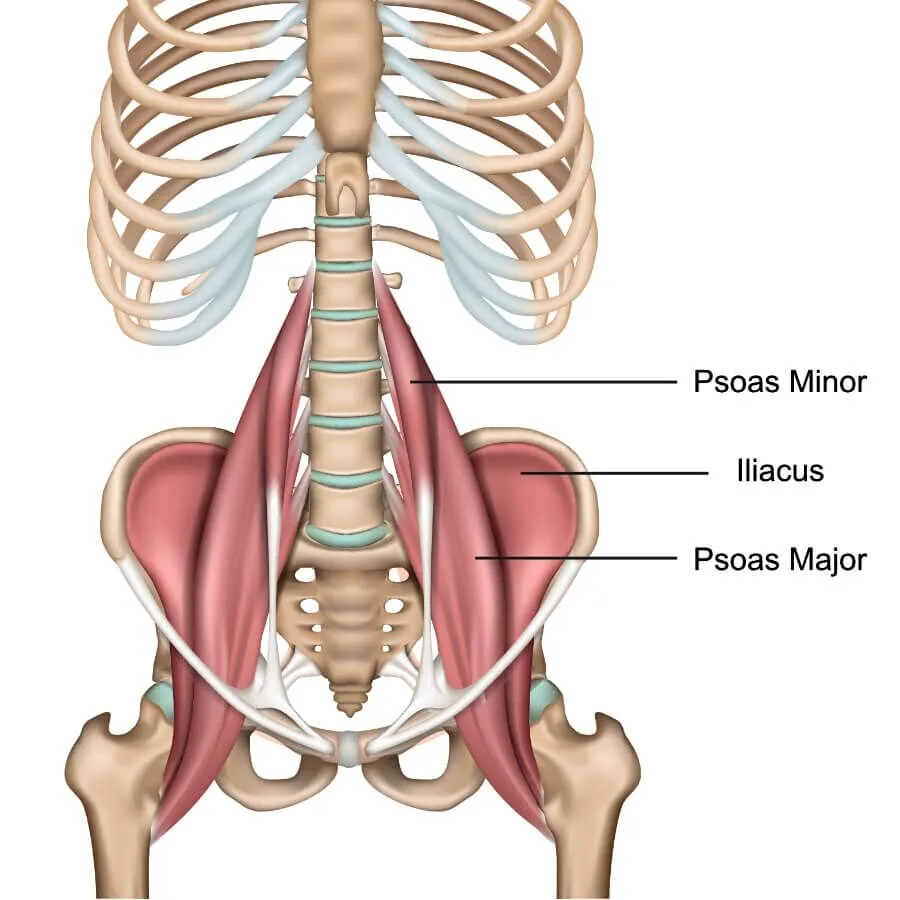
The iliopsoas—comprising the iliacus and psoas major—attaches to the pelvis and lumbar spine. If chronically tight, it can pull the pelvis into an anterior tilt, altering the alignment of the SIJ. This misalignment increases stress on the sacroiliac ligaments and surrounding structures, leading to SIJ instability and irritation. Over time, the joint may become inflamed or hypermobile, resulting in sharp or dull pain in the lower back, buttocks, or hips.
Additionally, a tight iliopsoas can create compensatory movement patterns, further straining the SIJ during walking, running, or prolonged sitting. To improve SIJ stabilization, it’s essential to address iliopsoas tightness through targeted stretching, core strengthening, and postural correction. Strategies such as hip flexor releases, neuromuscular re-education, and exercises promoting SI joint stability (e.g., pelvic floor activation, glute strengthening) can help restore proper pelvic alignment and reduce pain.
How Does the Piriformis Muscle Cause SI Joint Pain?
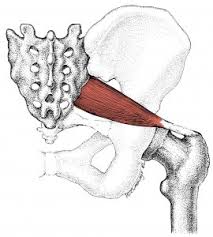
The piriformis muscle attaches between the sacrum, ilium, and greater trochanter of the femur. Its primary functions are to assist in external rotation and abduction of the hip joint while helping stabilize the femoral head within the acetabulum.
When the piriformis becomes tight, it pulls on the sacrum and ilium, leading to compression or misalignment of the SI joint. In such cases, if the supporting muscles fail to function properly, sustained limb movement can cause friction between the sacrum and ilium, irritating the soft tissues within the joint.
Notably, piriformis tension often coexists with tightness in the iliacus and psoas muscles, a common finding in patients with SI joint pain. This is a compensatory response as the body attempts to maintain balance across the hip joint. When the anterior iliopsoas tightens and pulls the pelvis forward, the posterior piriformis correspondingly contracts, creating a mechanical counterbalance.
How Does the Quadratus Lumborum (QL) Cause Sacroiliac Joint Pain?
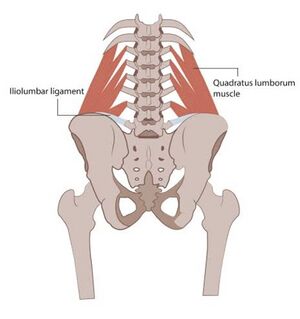
The quadratus lumborum originates from the lower border of the 12th rib and the transverse processes of L1–L4, inserting into the iliac crest and the iliolumbar ligament. It plays a crucial role in stabilizing the sacrum and the ilium.
When both sides of this muscle contract, it assists in lumbar extension, while unilateral contraction causes lateral flexion of the spine. Due to its connection to the lower ribs, the QL also helps stabilize the diaphragm during inhalation.
When the quadratus lumborum becomes tight, it can pull on the attached ilium and iliolumbar ligament. This pulling force may lead to pelvic rotation or elevation of one hip, altering the normal alignment between the ilium and the sacrum. Similar to the mechanisms of other muscles, such biomechanical changes can ultimately disrupt the normal movement of the SI joint and potentially trigger pain symptoms.
Effective Tips to Relieve Sacroiliac Joint Pain
The key to maintaining healthy and comfortable SI joints lies in keeping them properly aligned. In daily life, various factors can lead to muscle imbalances, disrupting the body's equilibrium and triggering pain and discomfort. The focus should be on carefully nurturing the muscle groups that support pelvic movement. Only when the iliac bones, sacrum, and other skeletal structures can move smoothly and in coordination can they function optimally. As a vital part of the body's "core," the pelvis must be well-supported and balanced for the rest of the body to operate efficiently.
To relieve sacroiliac joint issues, do the following 3 things:
1. Relax the tense muscles around the pelvis
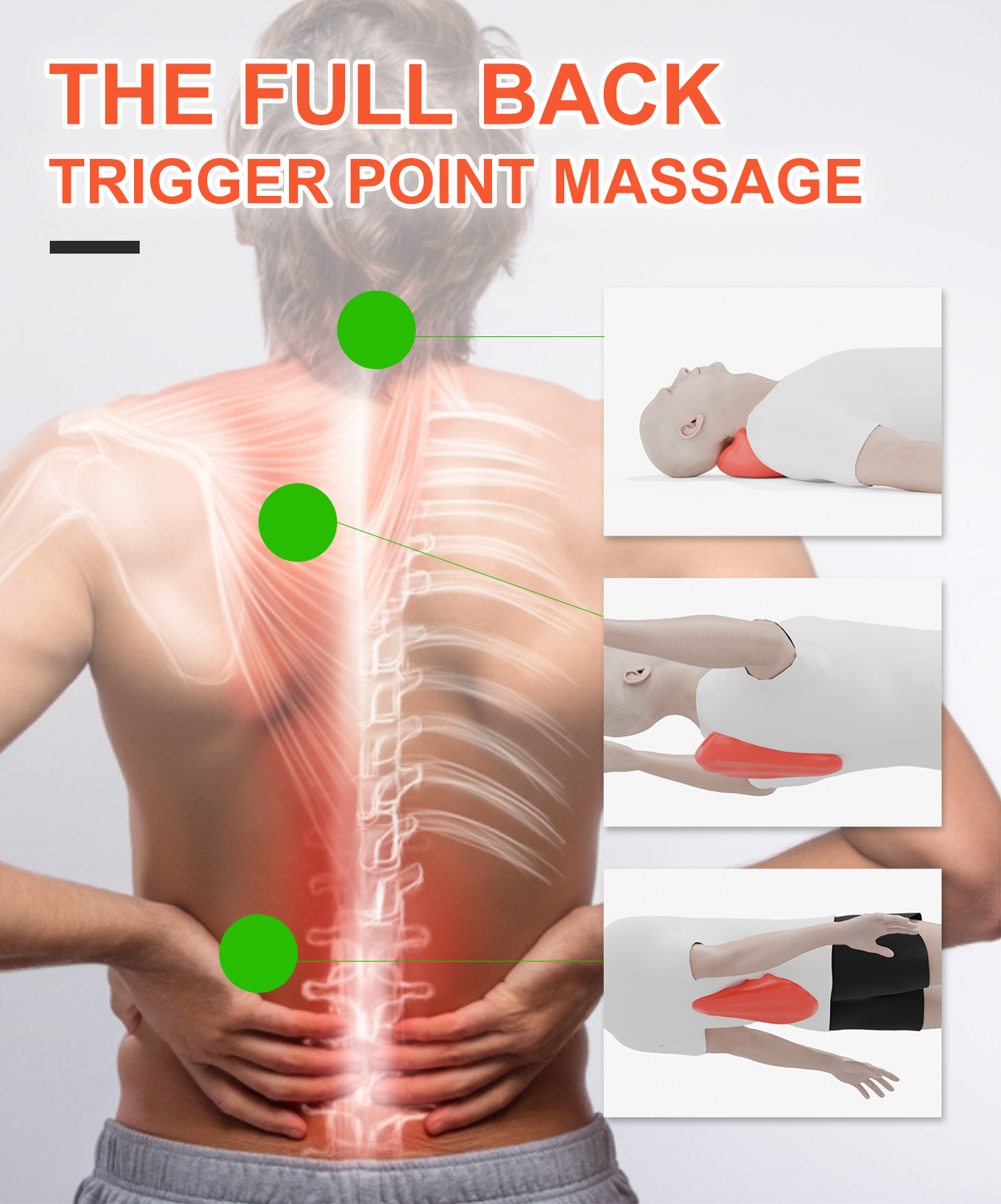
We’ve discussed 3 tight muscles that may contribute to sacroiliac joint pain. Address these muscles one by one using muscle relaxation techniques and stretching exercises to help release their long-term tension.These muscles are located deep within the body, so you can use specialized acupressure massage tools to apply deep pressure and reach them effectively.
Choosing the Right Massage Tool: Precision and Comfort Combined
Selecting an appropriate massage tool is crucial when releasing these muscles. Here are four common tools for massaging the piriformis and quadratus lumborum:
- Massage ball: Compact and portable, with a pressing area similar to the size of a thumb. Requires good body flexibility and some skill to target accurately.
- Foam roller: Suitable for large-area massage but less effective for deep tissue targeting.
- Massage gun: Provides percussive or vibration-based techniques but cannot be used for stretching simultaneously.
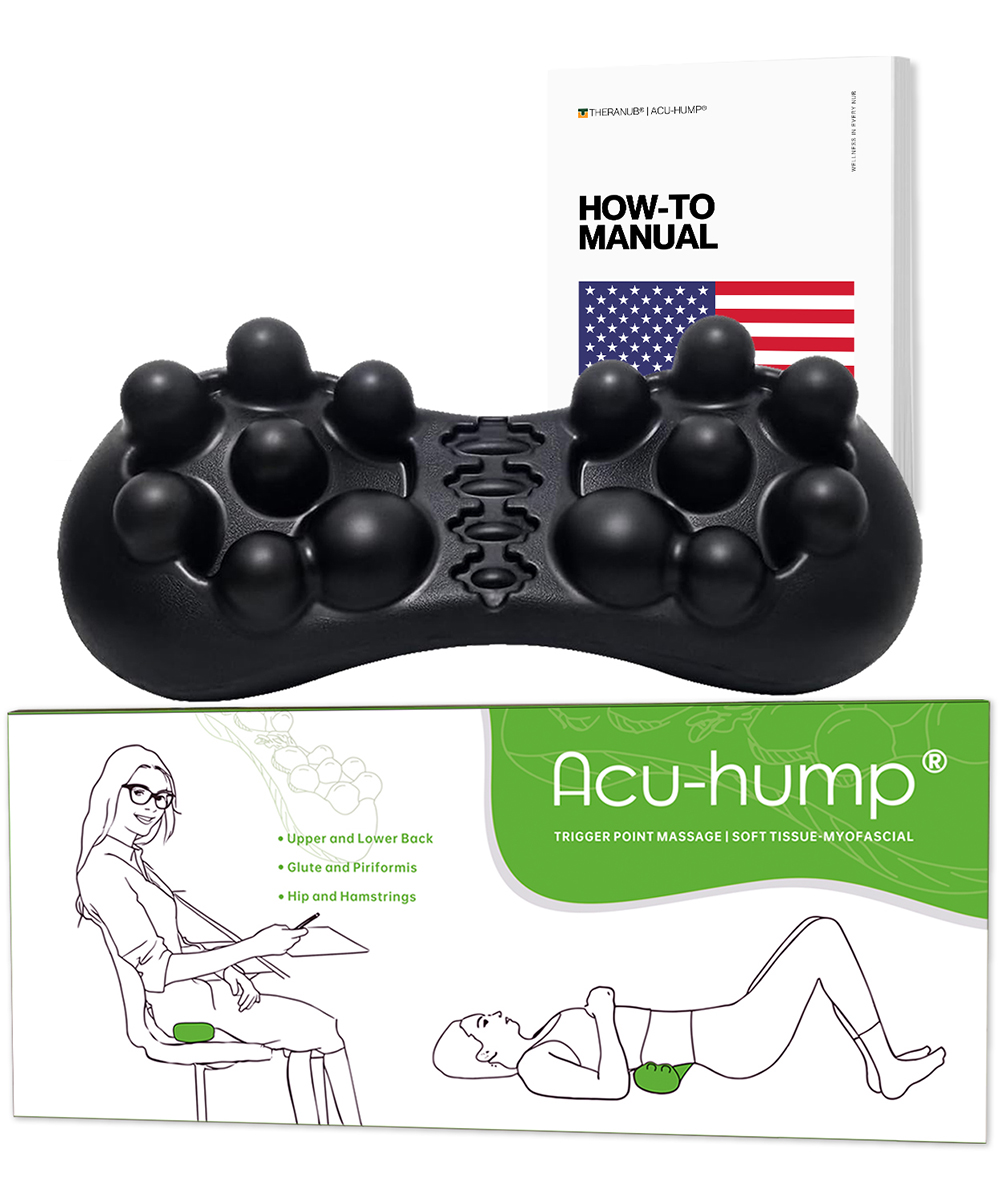
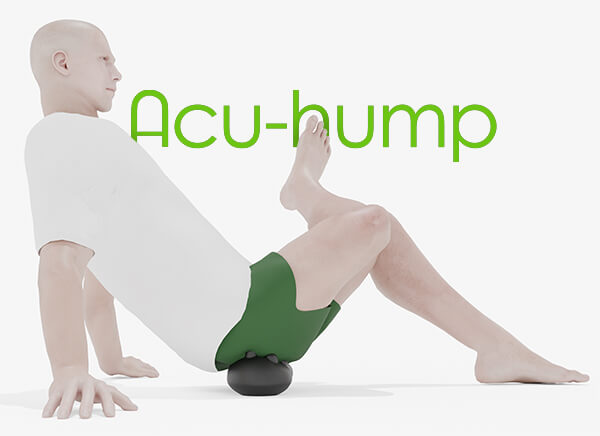
- Acupressure massage tool: Designed based on massage therapists’ techniques, it effectively releases tight muscles through ischemic compression. Like the Acu-Hump.
Acu-hump®
Butt Massage Tool
Preparation Before Use: Laying the Foundation for Effective Massage
Proper preparation before your first use can significantly enhance results while avoiding unnecessary strain. Before starting, keep these points in mind:
- The tighter the muscle, the more intense the pain. Stop immediately if it becomes unbearable.
- Gradually adapt. Use for 2 minutes per session, multiple times a day.
- Reduce difficulty by placing the tool on a mattress, sofa, or flipping it to use the flat side.
Mental Preparation
- Stay focused: Concentrate during the massage, tune in to your body’s feedback, and adjust pressure and positioning accordingly.
- Breathe deeply: Maintain deep breaths throughout to further relax the body and enhance the massage effect.
Method for Relaxing the Sacroiliac Joint Using Acu-Hump
Its Advantages
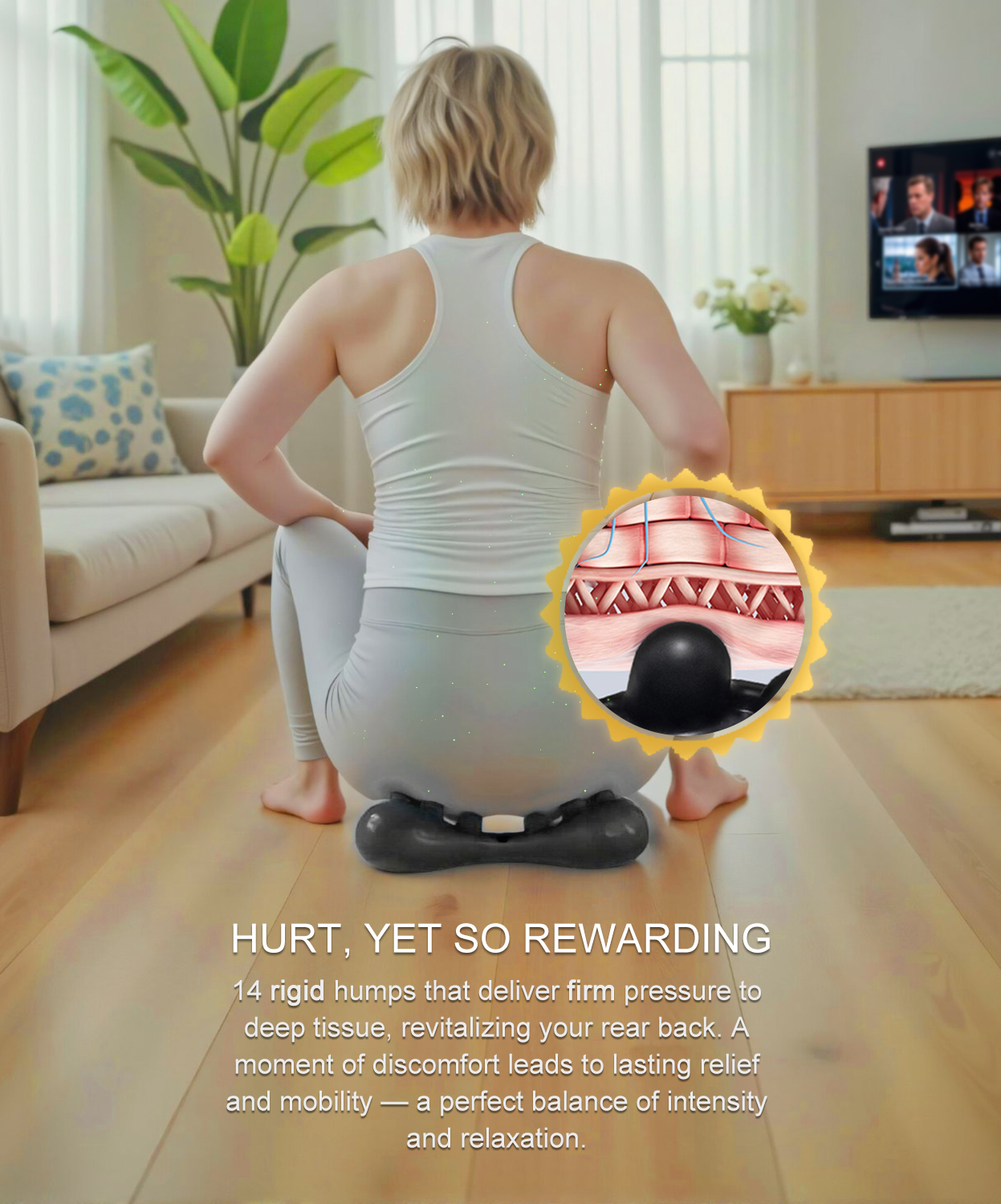
- Precise Targeting: Designed specifically for glute massage, it accurately targets deep gluteal tissues, reaching the source of pain.
- Ergonomic Design: Firm yet flexible, it slightly conforms to the curves of the hips and back for a perfect fit.
- Versatility: Suitable not only for gluteal muscles but also for massaging other areas like the lower back.
Start Slowly: Iliosacral Joint Pain Exercise
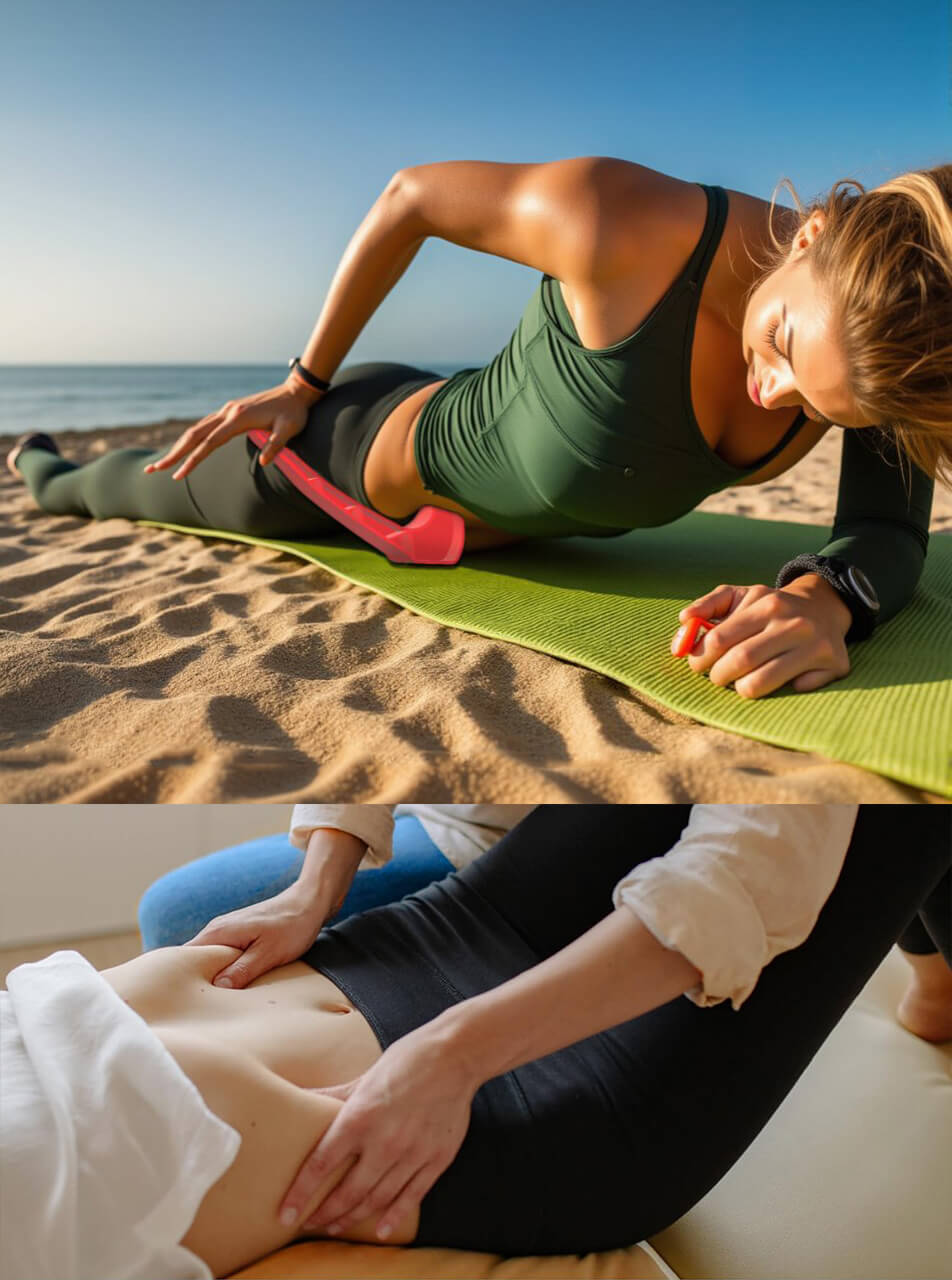
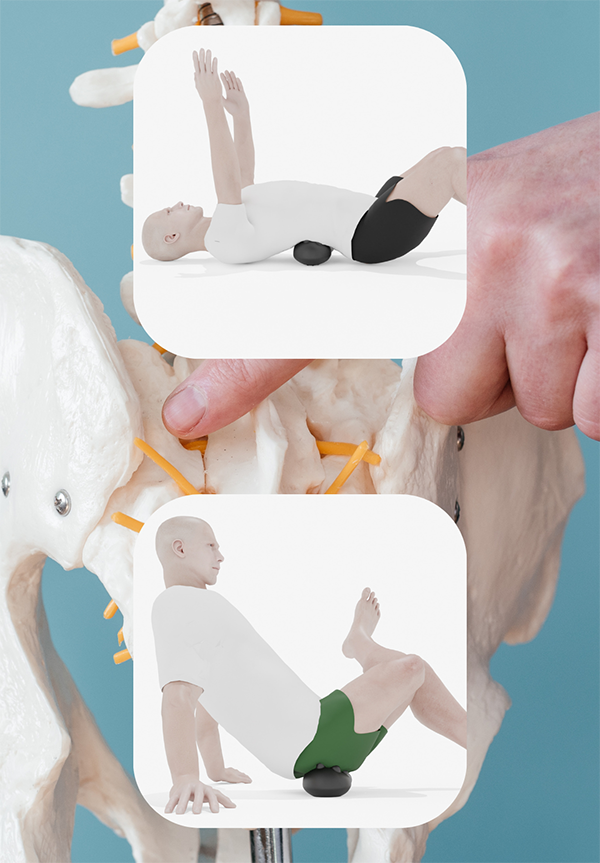
First, place the Acu-Hump on the quadratus lumborum and lie down on it. Then, reposition it to the SIJ region and sit on/lie down.
Acu-hump®
Butt Massage Tool
Best Stretching Exercise: Releasing the Iliopsoas
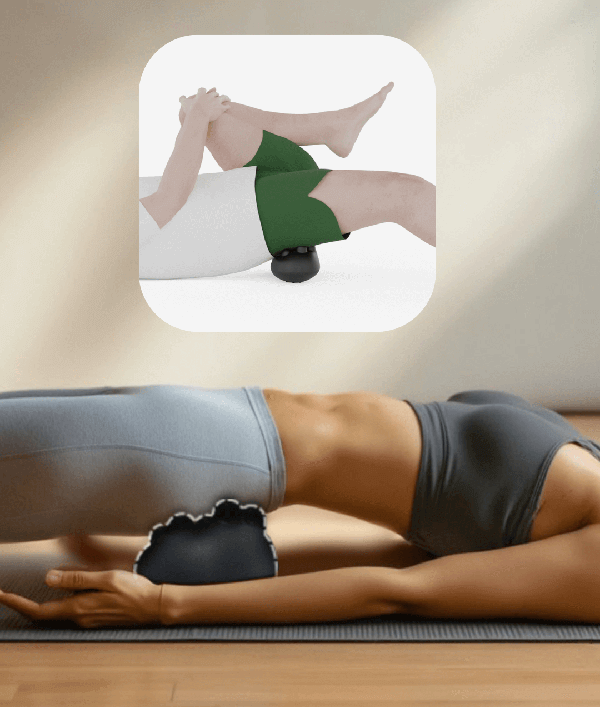
To relieve mild tightness in the iliopsoas, simply add this easy movement: Place your right ankle over your left knee and hold for 30s per set. Switch sides.
All 3 of these exercises can be performed during pregnancy to help relieve SIJ pain.
Acu-hump®
Butt Massage Tool
More Powerful Compression Tool: The Hoop
If you need stronger pressure to release tight muscles, I recommend using The Hoop, a specialized massage tool.
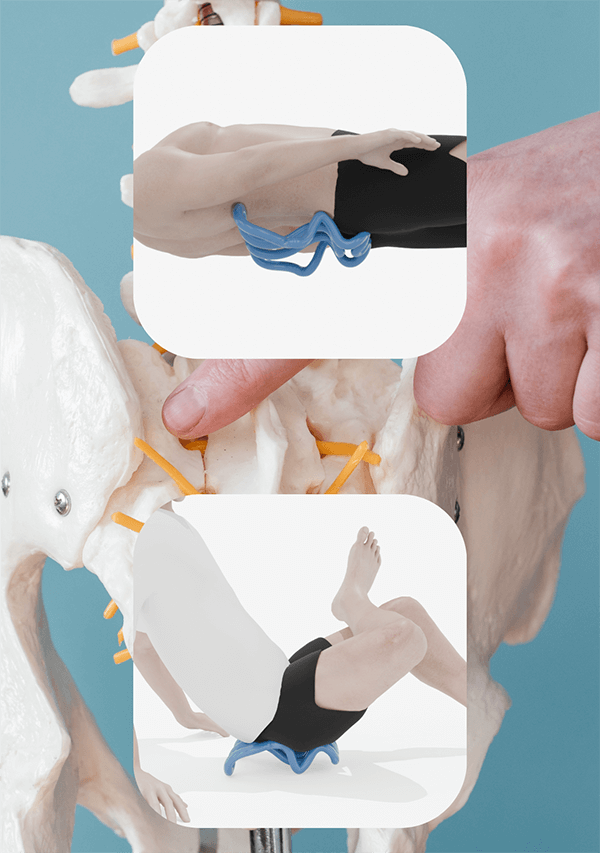
Start Slowly: Relaxing the Piriformis and Quadratus Lumborum
Simply by lying down, you can apply deep compression to the piriformis and quadratus lumborum to help restore muscle elasticity.
THERANUB
Iliacus Release Hoop
Leverage Principle: Targeting the Tight Iliopsoas
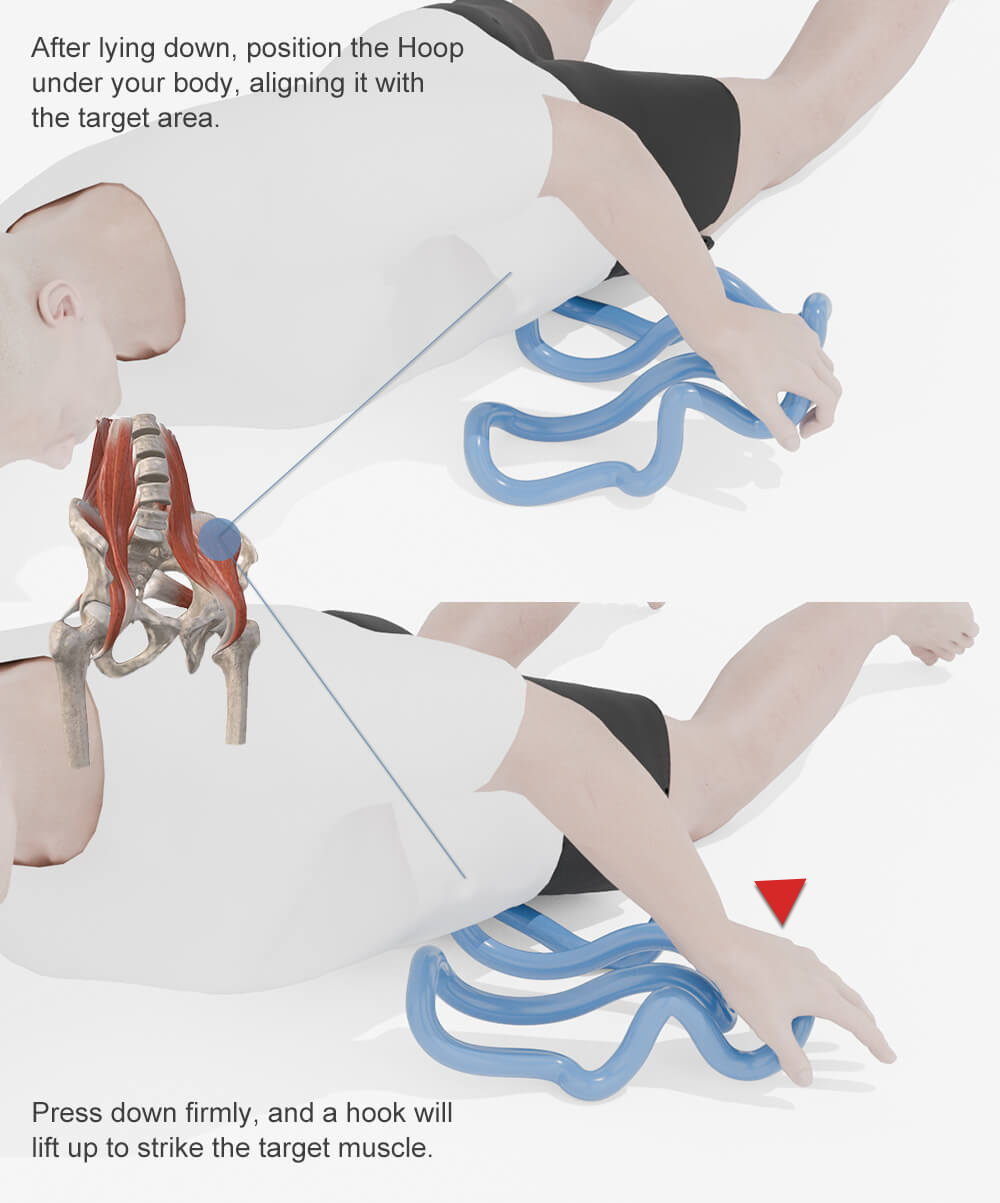
The iliopsoas(comprising the iliacus and psoas major) is different—its location makes it hard to reach with ordinary massage tools. In this case, it’s best to seek help from a professional manual therapist or use a specially designed tool.
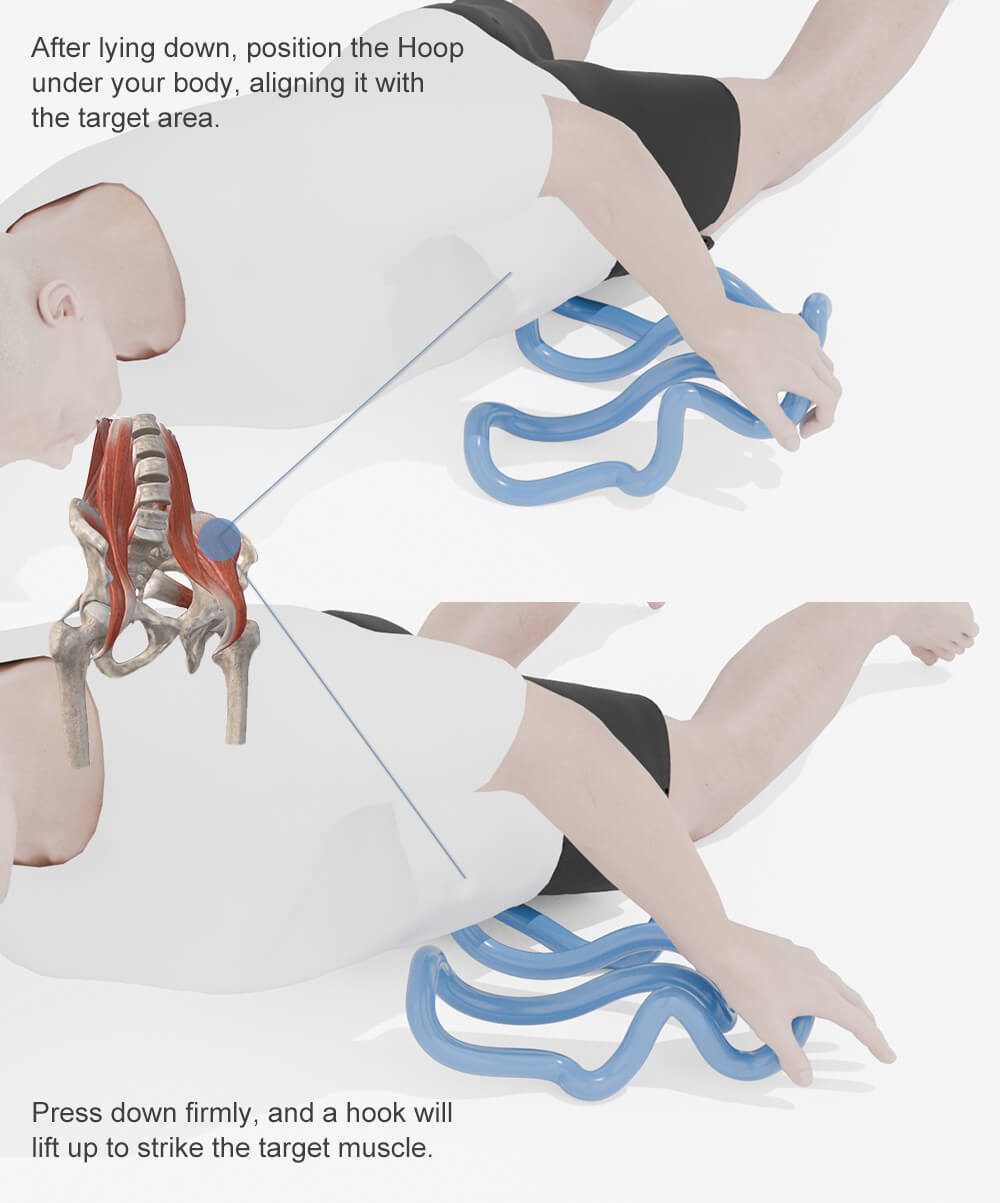
Using The Hoop for the Iliacus is Simple—Just 10-15s
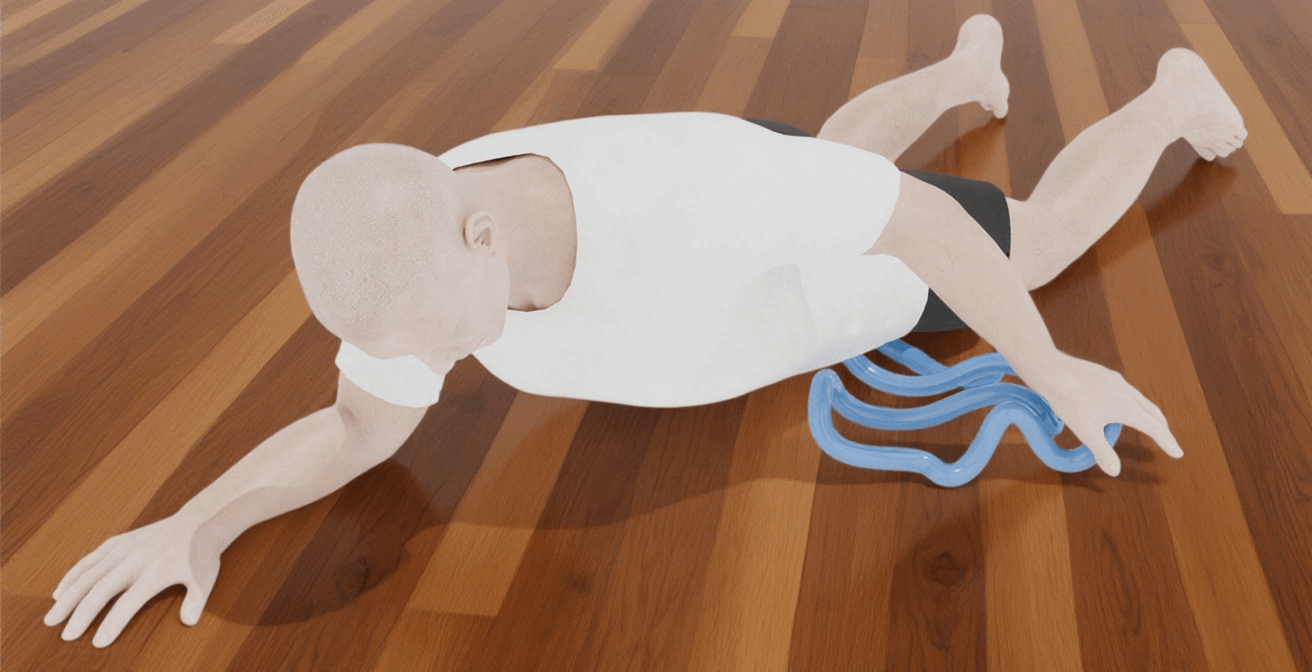
When lying face down, position the curved hook over the target muscle and press down on the device’s handle. This delivers precise, intense pressure to effectively release tension—something standard massage balls and other tools struggle to achieve.
Keep compression time between 10-15s—overdoing it can be counterproductive. Although the release is rapid, this method is not safe for use during pregnancy.
THERANUB
Iliacus Release Hoop
Tempted to Skip the Iliopsoas? Think Again
Tight iliopsoas muscles don’t just contribute to pelvic misalignment—they can trigger a chain reaction throughout the body and are a major root cause of lower back pain. If you want lasting pain relief and functional improvement, addressing the iliopsoas is essential.
A little time spent here can often bring significant relief.
2. Targeted glute exercises to strengthen muscles and correct imbalances
Just relaxing and stretching tight muscles might not actually fix the root cause of your SIJ pain. Those tense muscles are probably overworking to compensate for weaker primary muscle groups—thanks to sitting too much, inactivity, or old injuries that never fully healed.
For most people (maybe you too), the usual weak spots are the hips, thighs, and especially the core balance training muscles—those deep stabilizers around your pelvis. Try some hips activation drills to wake these muscles up, and really focus on how your body responds during the movements.
Here’s a simple one to start:
Place the Acu-Hump on your upper back, keep your hands at your sides, then lift your hips up and hold. (Pro tip: You can swap in The Hoop instead, but fair warning—it cranks up the muscle pressure way more than the Acu-Hump. Pick whichever matches your needs.)
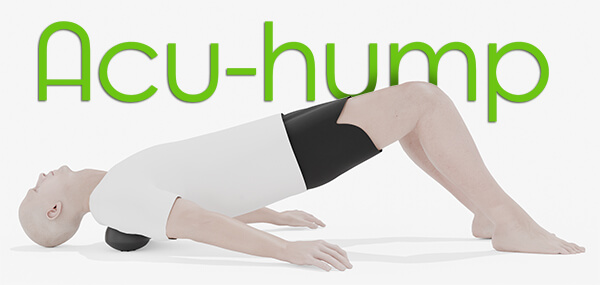
Acu-hump®:
30-day return policy. No risk for you.
3. Perform targeted hip mobility training
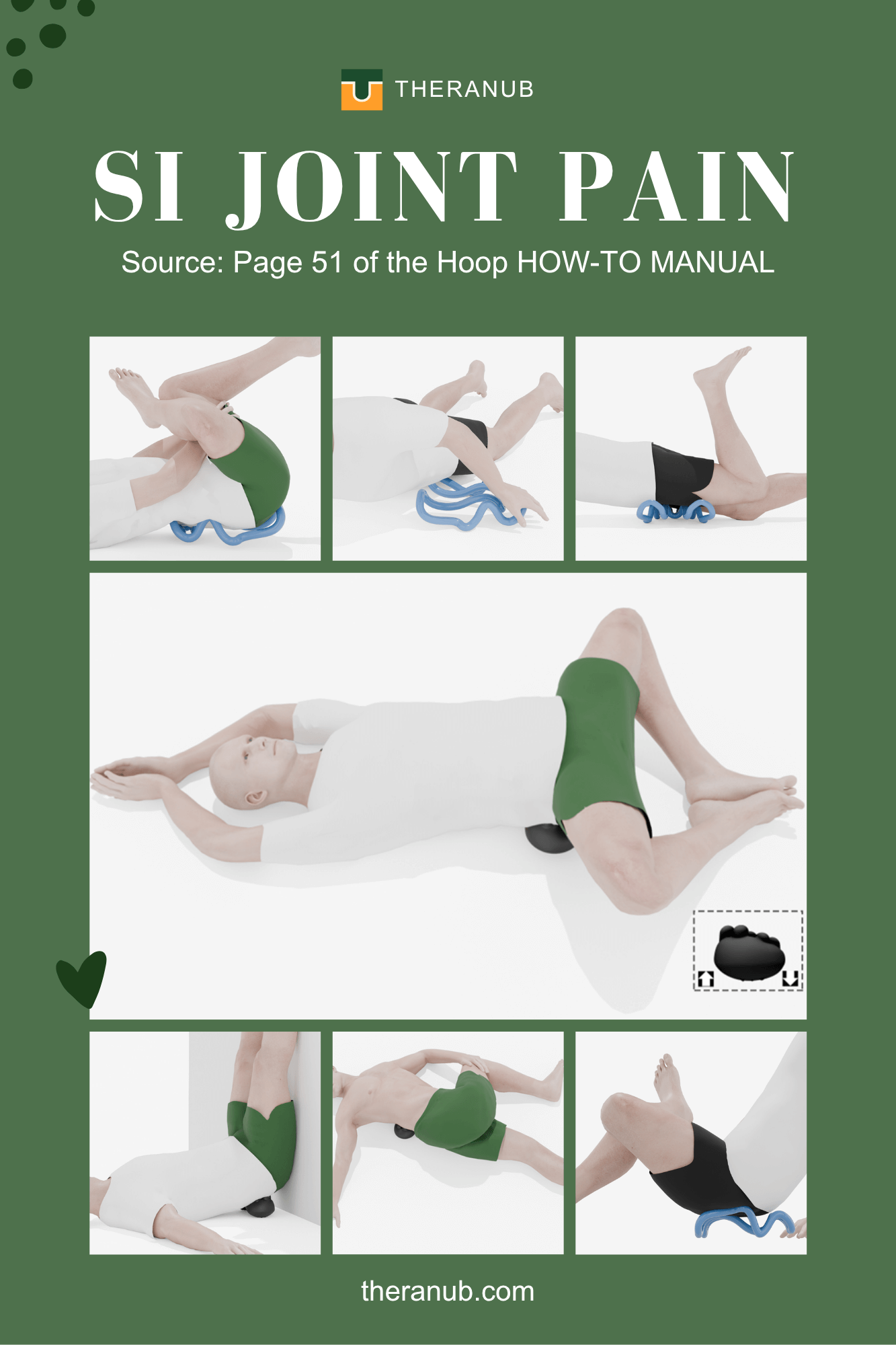
Looking for relief? Try these 7 best sacroiliac joint pain exercises to strengthen your hips and improve mobility. Unlike passive stretching, these targeted drills actively engage the muscles supporting hip movement, giving you better control and range of motion.
These exercises are game-changers—they enhance pelvic mobility, promote balance, and ease sacroiliac joint discomfort. The 7-step routine below delivers a deep, full-release effect for your entire pelvic muscle group, helping realign your pelvis and boost body awareness.
Shop Now
Precautions & FAQs: Scientific Usage to Avoid Missteps
Avoid Over-Massaging
Moderation Principle
- Recommended duration per area: 2 minutes for Acu-Hump, 90 seconds for Hoop. Prolonged pressure may cause muscle strain.
- Combine massage tools with gentle stretching for enhanced results.
Pain Management
- Stop immediately and consult a professional therapist if pain worsens during use.
- Mild soreness post-massage is normal; apply heat for relief.
Frequency & Duration
- Use 1–2 times daily for 2–4 weeks to observe effects, ensuring adequate muscle relaxation.
- Avoid excessive sessions to allow muscle recovery.
From Pain to Relief: Embark on a New Chapter of Health
Are you suffering from sacroiliac joint pain due to prolonged sitting, sports injuries, or postpartum issues? Acu-Hump and The Hoop utilize precise pressure release and myofascial relaxation techniques to effectively target the sacroiliac joint and surrounding muscles, helping to alleviate stiffness and discomfort.
Ideal for all lifestyles: Office workers / Fitness enthusiasts / New mothers
However, these massage tools are not a cure-all. By combining them with exercise therapy, hot/cold therapy, and professional treatment, we can adopt a multi-faceted approach to accelerate recovery. Whether it's core stability training, pelvic alignment exercises, physical therapy, or daily posture adjustments—each method plays a vital role in safeguarding your health.
Take the 1st step—change starts today.
With Acu-Hump and The Hoop, follow the included user manual to begin your journey from pain to relief.

Acu-hump®:
Butt Massage Tool
Don’t wait—today is the perfect time to start.
Through scientific methods and determined action, you can realign your sacroiliac joint and embrace a healthier, more comfortable life.
Enjoy a 30-day risk-free trial—full refund if unsatisfied.
THERANUB
Iliacus Release Hoop