Hurt in The Back not Back Pain
If you’re here because “how to tell if my back pain is SI joint related,” let’s cut to the chase: You’re likely dealing with a master of disguise.
Sacroiliac joint dysfunction doesn’t just mimic regular back pain—it hijacks your hips, glutes, and even your gait.
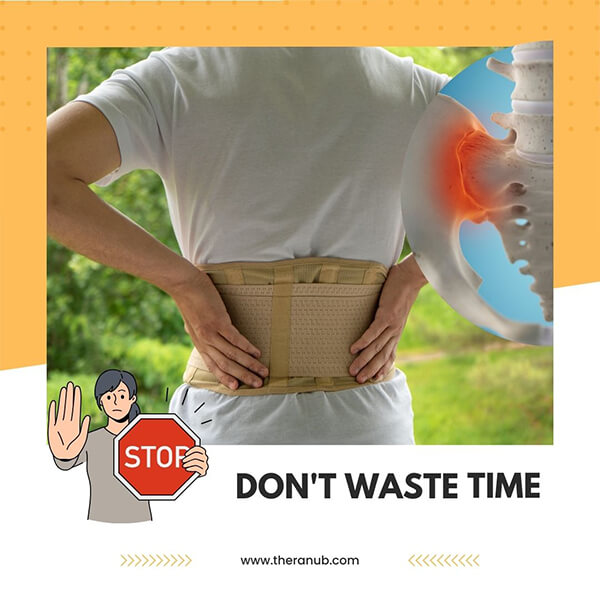
Over 60% of lower back pain sufferers don’t realize their hips are the real troublemakers. Here’s why your self-diagnosis mission matters: Misreading these signals leads to wasted time on generic treatments (looking at you, “magic” back braces).
Ready to stop guessing and start targeting the real issue? Let’s expose why that “simple back pain” keeps coming back.
Where is the SI joint
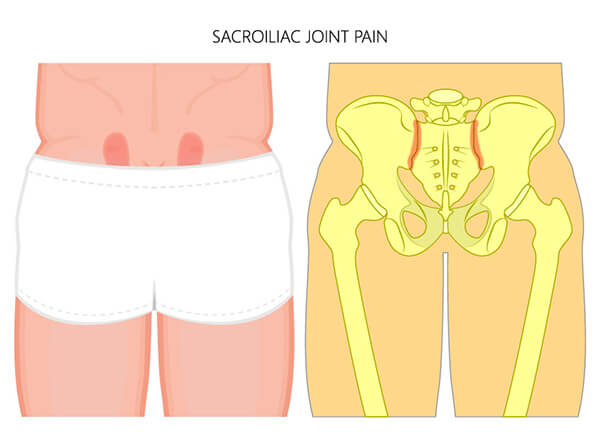
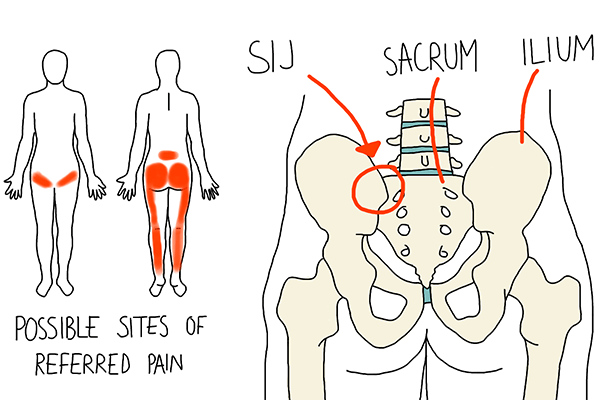
The sacroiliac joint is a critical biomechanical bridge located where the spine’s base (sacrum) meets the pelvic girdle (ilium bones).
Its primary roles are:
- Weight Transfer: Distributes up to 30% of your body weight from the spine to the legs during movement.
- Stability: Acts like a shock absorber during walking/running, limiting excessive pelvic tilt or rotation.
- Structural Link: Connects the axial skeleton (spine) to the lower limbs, enabling coordinated motion.
Think of it as nature’s "locking mechanism"—when stable, it allows smooth movement; when dysfunctional, it becomes a hidden source of systemic biomechanical chaos.
What Does Sacroiliac Pain Feel Like
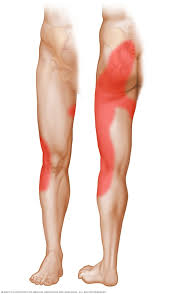
It usually begins as a dull ache or sharp pain radiating from the lower back to the hips, groin, or thighs. Imagine bending down to tie your shoes and suddenly feeling a "twinge" that locks up your pelvis—a classic sign of an SI joint strain.
If pain feels like a deep burn creeping down your knees or hips, it could signal bilateral sacroiliitis (inflammation affecting both SI joints). This type of discomfort often worsens with prolonged sitting or standing, mimicking sciatica but rooted in joint swelling.
A misplaced SI joint (out of place) adds another layer: imagine your pelvis feeling "unstable," with twisting motions triggering sharp, electric-like jolts. Simple tasks like climbing stairs or lunging may feel like navigating a minefield, with stiffness serving as a warning sign.
How Do I Know If My Back Pain Is Sacroiliac?
Let’s cut through the confusion: Your lower back pain isn’t always about your spine. How to piece it together.
You bend down to pick up a pen, and a deep, throbbing pain shoots from your lower back down your leg. Or you’ve been sitting at your desk for hours, and when you finally stand up, it feels like your pelvis is locked in place. These aren’t random pains—they’re clues.
SI joint dysfunction often starts subtly—a dull ache in the buttocks that creeps into the hips or thighs, flaring up when you walk, twist, or even cough.
Unlike garden-variety back pain that radiates upward or follows a nerve path (think sciatica’s electric shocks), SI-related pain tends to linger in the pelvic “triangle” between your lower back, hips, and groin.
Ask yourself: Does rest make it better? SI joint pain often gets worse the longer you’re upright, while classic back pain might ease when you lie down. Now think about movement—if climbing stairs feels like a workout for your hips instead of your legs, or if standing on one leg makes your back scream, that’s a red flag. The SI joint acts like a pivot point for your pelvis; when it’s off-kilter, even simple actions become biomechanical nightmares.
If this resonates, don’t panic—it’s not a life sentence.
How to Relieve SI Joint Pain
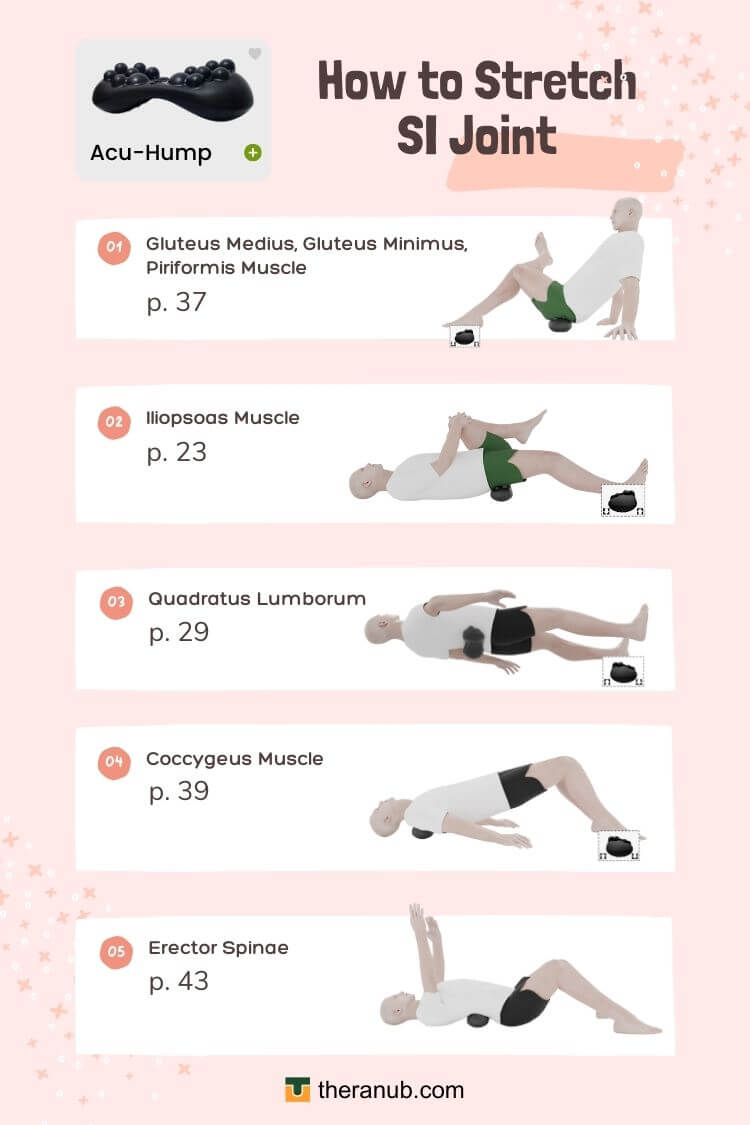
Lie flat on your back with the Acu-Hump snug under your hips. Let gravity work its magic as it gently pops tension from the joint—no therapist required.
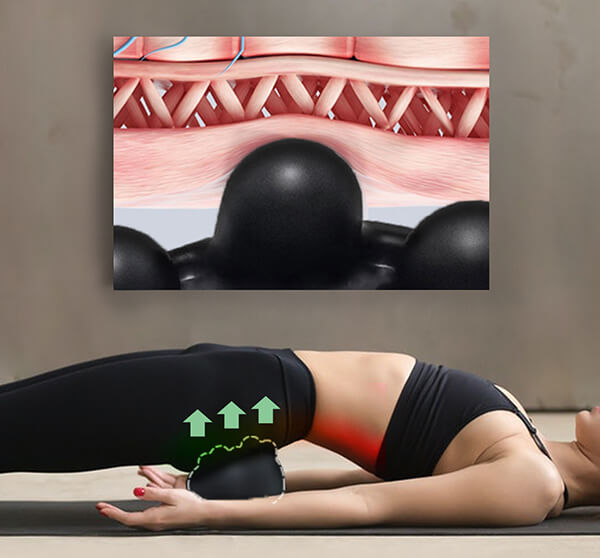
This mimics hands-on adjustments, releasing trapped pressure and restoring mobility with every rhythmic thud.

Knee-to-Chest Stretch
Stretching is where the magic really happens.
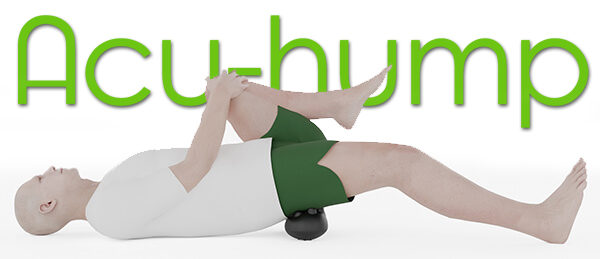
Lie flat on your back with the Acu-Hump positioned under your hips. Bend your knees and gently pull your left knee toward your chest, holding the stretch for 30s. Switch sides—repeat with your left leg. In the SI joint test, you might also perform this movement.
If comfortable, extend your non-stretched leg straight while keeping the other bent. Continue alternating sides for a total of 2 minutes. This isn’t just stretching—it’s a pelvis-balancing act that retrains your SI joint’s natural rhythm.
Acu-hump®:
SI Joint Massage Tool
Best Hip-Opening Stretches for SI Joint Pain
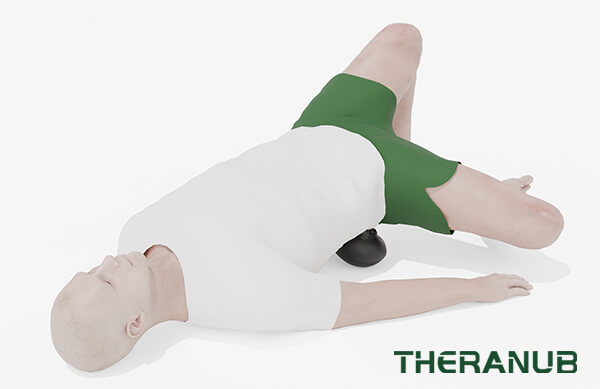
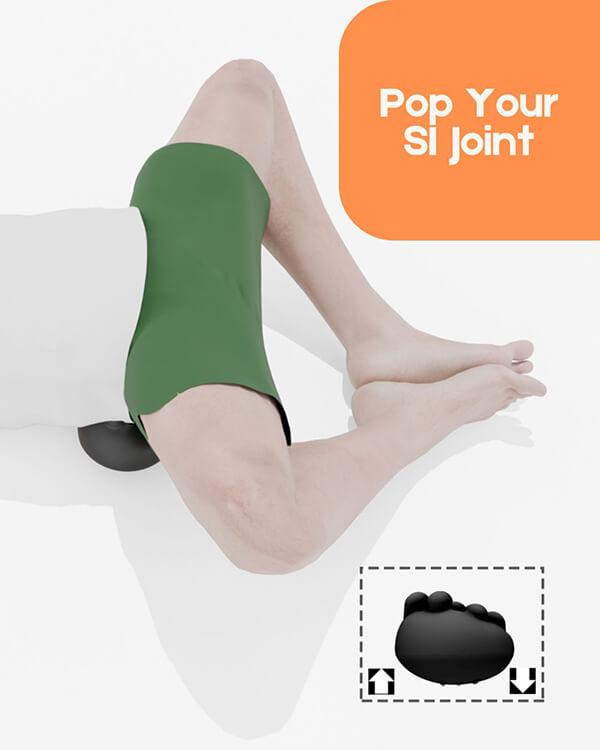
- Lie on your back with the Acu-Hump under your hips, knees bent and hip-width apart.
- Gently swing your right leg toward the floor, bending the knee to bring it as close to the ground as possible.
- Hold for 1s. Repeat for 1 minute, then switch sides.
Acu-hump®:
SI Joint Massage & Stretch
For added intensity, keep the Acu-Hump in place, lie back with knees bent and hip-width apart, and extend your arms overhead. Spread your legs outward simultaneously, lowering your knees toward the floor while keeping tension in the hips. Hold for 1 second and repeat for 2 minutes. This progression challenges pelvic stability while deepening the stretch.
The secret? Consistency. These aren’t quick fixes but mindful adjustments that recalibrate your body’s movement patterns. Over time, you’ll notice less stiffness, smoother transitions (goodbye, creaky hips!), and a pelvis that finally feels like it’s working with you—not against you. Think of it as reprogramming your body’s software: slow, intentional updates that lead to lasting relief.
Can SI Joint Pain Be Cured? A Roadmap to Healing
Sacroiliac (SI) joint pain isn’t a life sentence—but its timeline depends on the story your body tells. Acute cases, often triggered by sudden injuries or strains, can resolve within days or weeks with rest and targeted care. Chronic pain, however, is a different beast: when discomfort lingers beyond three months, it demands a strategic approach. With consistent treatment (think physical therapy, tailored stretches, and tools like the Acu-Hump), significant improvement is possible within weeks to months. Yet beware—the SI joint is a master of disguise. Even after pain fades, its sneaky nature means recurrence lurks in the shadows.
“Ever Go Away” May Depend on Muscle Balance
Your SI joint’s stability relies on 7 critical muscles. If even one falters, others overcompensate, creating a domino effect of strain. Left unaddressed, this imbalance ensures pain will never truly go away. But here’s the good news: rehabilitating all 7 muscles together—like tuning an orchestra—restores harmony. Think of it as rewriting your body’s code to silence chronic flare-ups for good.
SI joint pain can go away—but only if you stop guessing and start acting.
Don’t Let SI Joint Pain Steal Your Life
It’s not just back discomfort—it’s an annoying code your body is trying to decode. Ignoring it could turn a manageable issue into chronic suffering. Grab your Acu-Hump and start targeted stretching early. Remember: Prevention beats cure.
Turn your SI joint into an ally, not a burden.
Don't wait any longer—take action now in the battle against SI joint dysfunction solutions.