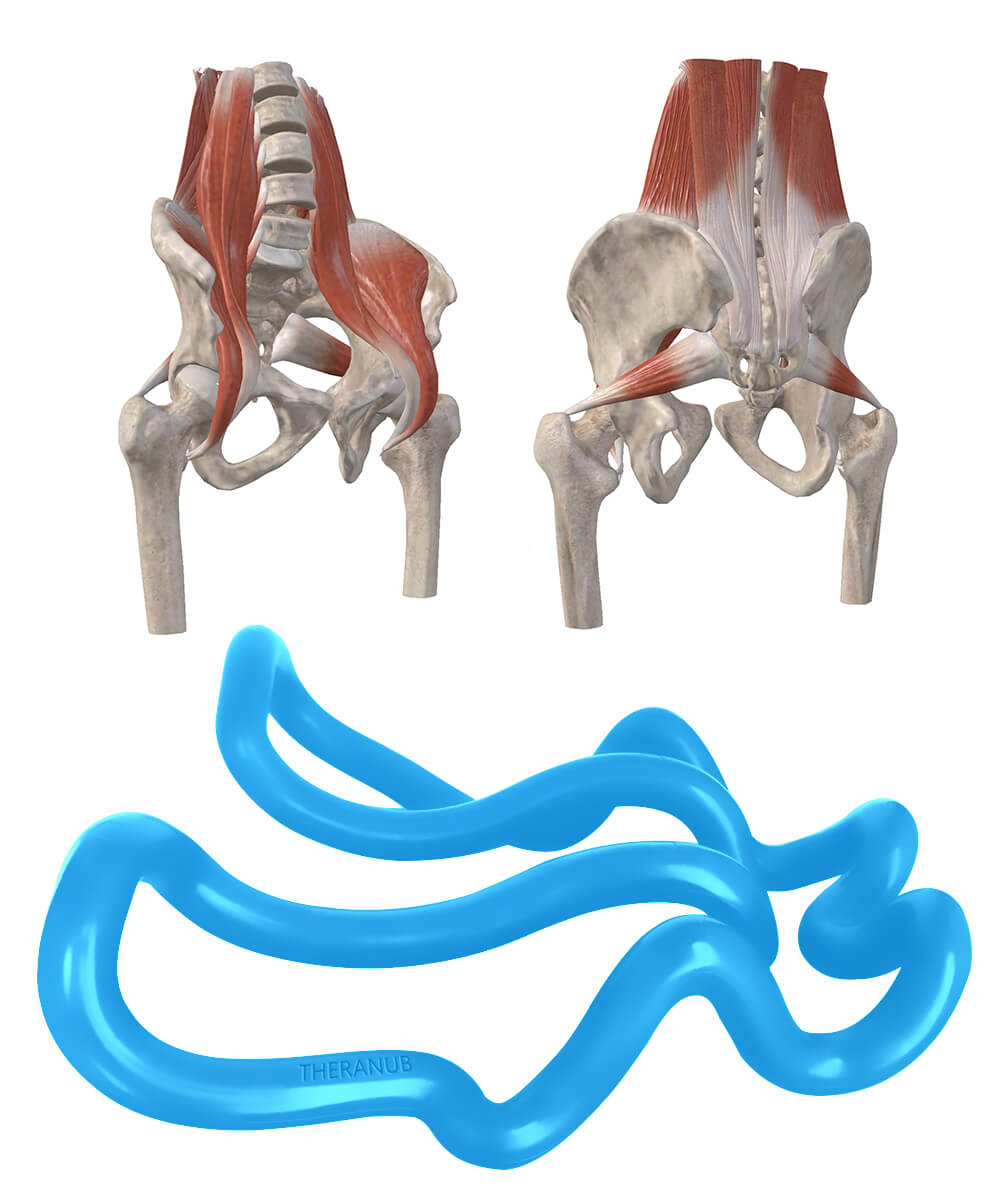
Glute stretches are your ultimate weapon against tight glute muscles and back pain caused by prolonged sitting—a stealth punishment that locks your body into a chair cage and sabotages your flexibility.
It’s time to flip the script with these 7 glute stretching exercises that melt stiffness and reignite your mobility.
Tight Glutes Common Symptoms
- Lower Back Pain: Tight glutes can pull the pelvis, straining the lower back.
- Hip Stiffness/Pain: Especially after sitting or during hip movements (e.g., climbing stairs).
- Difficulty Sitting: Discomfort due to prolonged compression of the gluteal muscles.
- Reduced Hip Mobility: Limited range of motion in hip flexion/extension.
- Exercise-Related Pain: Discomfort during squats, lunges, or deadlifts.
Why Are My Glutes So Tight?
The 'office chair booty' phenomenon happens when prolonged sitting (8+ hours/day) keeps our glutes in a passive, inactive state. This prolonged inactivity significantly reduces blood circulation in the area, causing the muscles to gradually lose their natural elasticity and vitality.
What’s more concerning is that this triggers a chain reaction. As the hip joints remain flexed for prolonged periods, the surrounding muscles progressively shorten and tighten, restricting mobility when standing or walking. Simultaneously, to maintain an upright seated posture, your quadratus lumborum and rectus abdominis muscles become overactive to support the upper body. This compensatory activation creates a tug-of-war with the weakened glutes, ultimately leading to discomfort, tightness in the gluteal muscles, and low back pain.
Good news - regularly loosening tight buttock muscles can stop the problem from getting worse.
How to Loosen Tight Buttock Muscles?
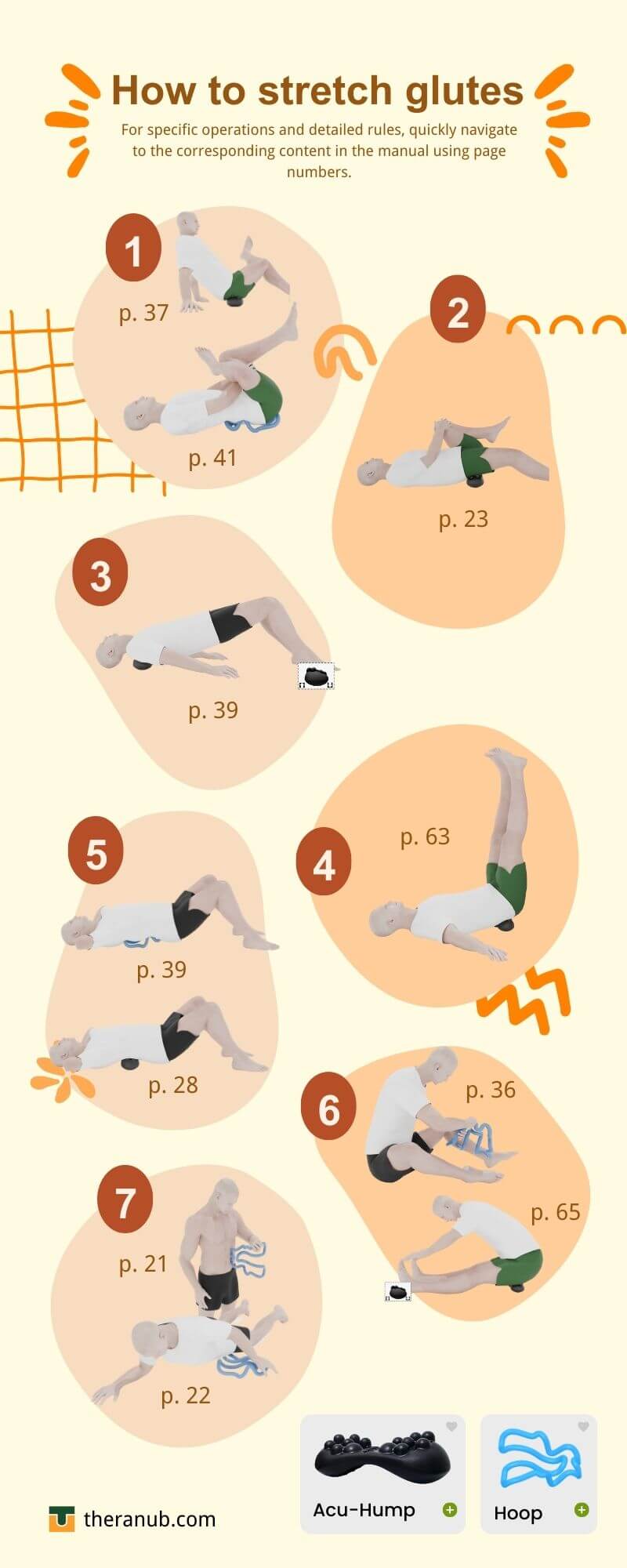
This comprehensive routine combines trigger point release, fascial relaxation, and targeted stretching to deliver full-body relief. Unlike isolated stretches, this 7-step sequence systematically releases tension throughout your entire posterior chain—from your back down to your legs, including those often-neglected muscles that secretly contribute to buttock stiffness.
Whether you're an athlete, an office worker, or simply someone who wants to move freely, these 7 strategic moves work synergistically to undo the effects of prolonged sitting and muscle imbalances.
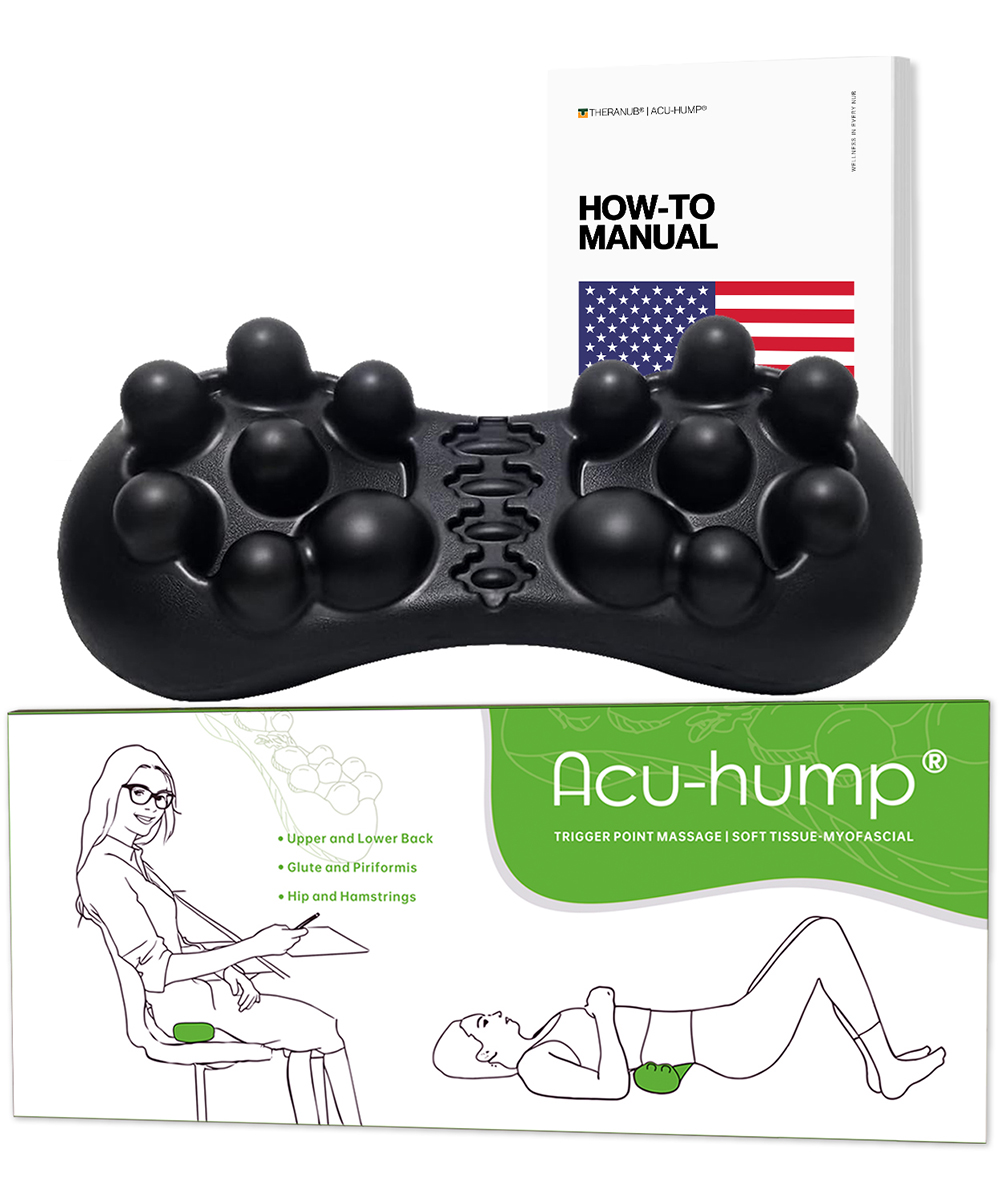
Grab your Acu-Hump and the Hoop, and let’s get started:
- Buttock Stretches (2 Variations)
- Pull Your Knee Toward Chest
- Glute Bridge
- Wall-Assisted Glute Reset
- Quadratus Lumborum Rescue
- Stretches for Hamstring
- Core muscles release
1. Buttock Stretches
There are 2 stretching methods: supine and seated.
*The marked page numbers below refer to those in the product's accompanying HOW-TO MANUAL.
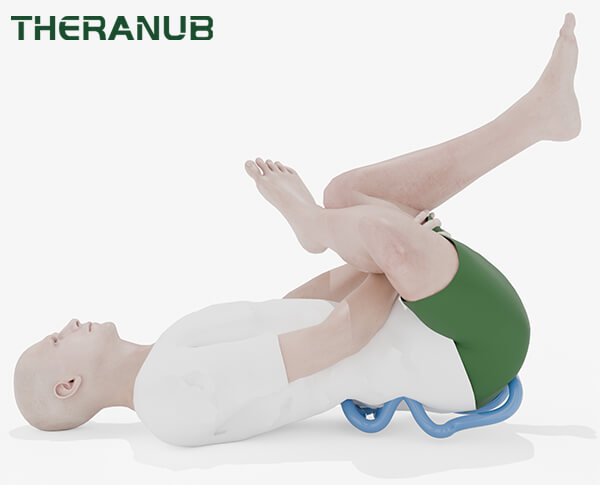
Supine Glute Stretch
Lie on your back and place the device under your hips (p. 37). Cross your right ankle over your left knee and pull your left thigh toward your chest.
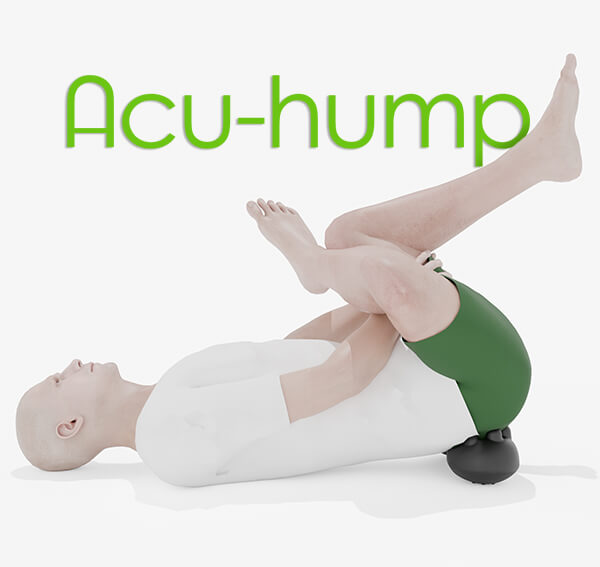
For a more intense pressure, you can opt for the Hoop. This method allows you to massage both your QL and gluteus maximus simultaneously (p. 41).
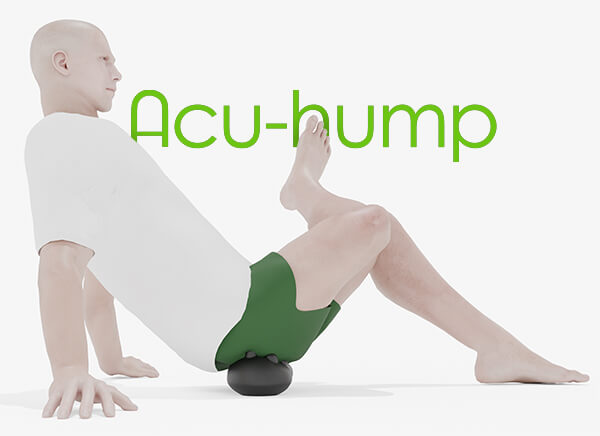
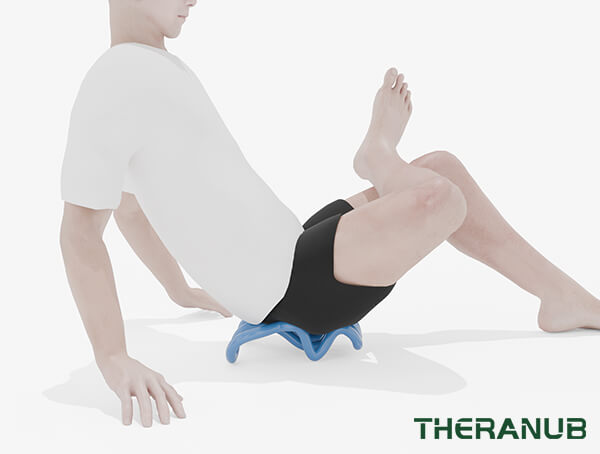
Seated Glute Stretch
Place the Acu-Hump (p. 37) or Hoop (p. 31) on the floor and sit on it. Bend your right leg and place your right ankle over your left knee. Lean back slightly, supporting your body with your hands on the floor to maintain balance.
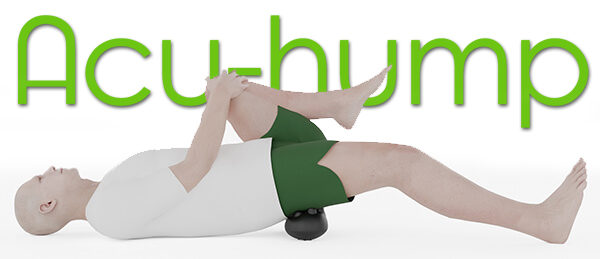
2. Pull Your Knee Toward Chest
Lie on your back with the device positioned beneath your hips. Bend your left leg and use both hands to pull your left knee as close to your chest as possible, holding it in this position while keeping your right leg relaxed. (p. 23)
3. Glute Bridge
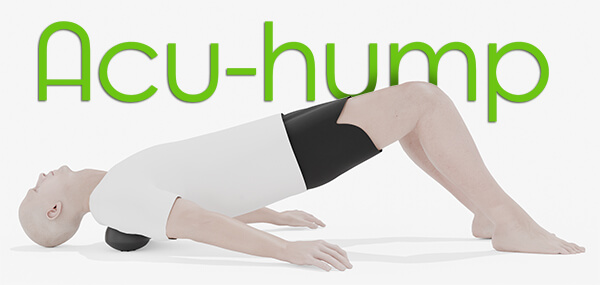
This posture helps strengthen the glutes and hamstrings, massages the upper back muscles, and stretches the iliopsoas. Place the Acu-Hump beneath your upper back, lift your hips, hold for 20s, and repeat 5 times. (p. 39)
4. Wall-Assisted Glute Reset
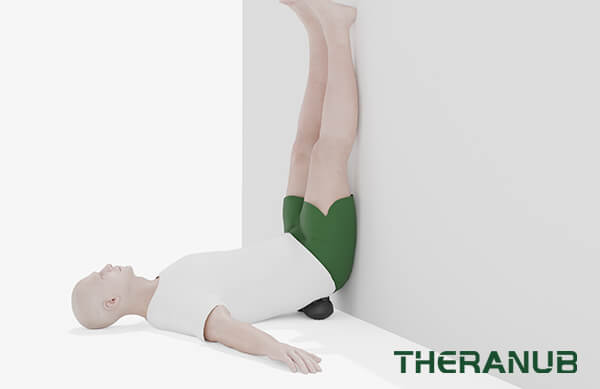
Lie on your back with your legs vertically against the wall, placing the Acu-Hump beneath your upper hips. In this position, you'll feel a stretch in your hamstrings. (p. 63)
5. Quadratus Lumborum Rescue
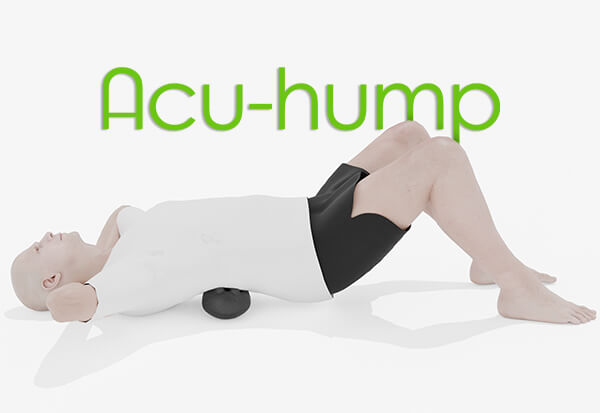
Lie on your back with the Acu-Hump positioned beneath your mid-back. Clasp your hands behind your head, keeping your elbows as close to the floor as possible. (p. 28)
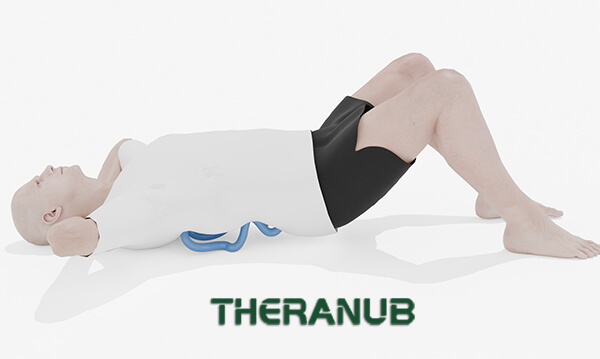
If you're using the Hoop, it can simultaneously target both your lower and mid-back. The pressure tends to feel more intense compared to using the Acu-Hump. (p. 39)
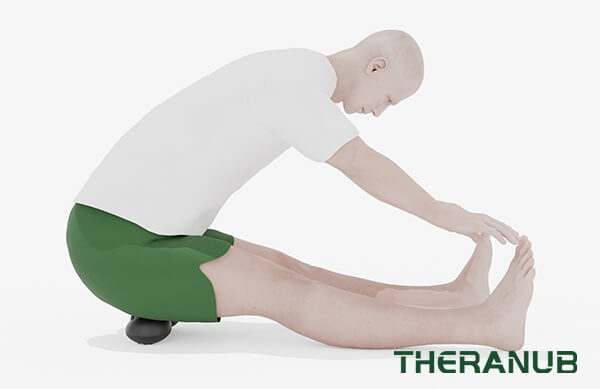
6. Stretches for Hamstring
Place the product on the floor and sit on it. Bend your torso forward, reaching your hands toward your toes as far as possible while keeping your legs straight. (p.65)
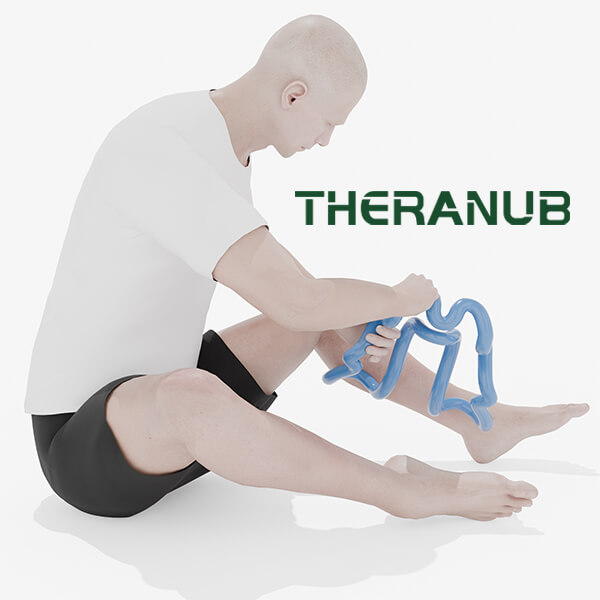
If you find this stretch challenging, you may opt to use The Hoop to massage your calf muscles instead. (p. 36)
7. Core Muscles Release
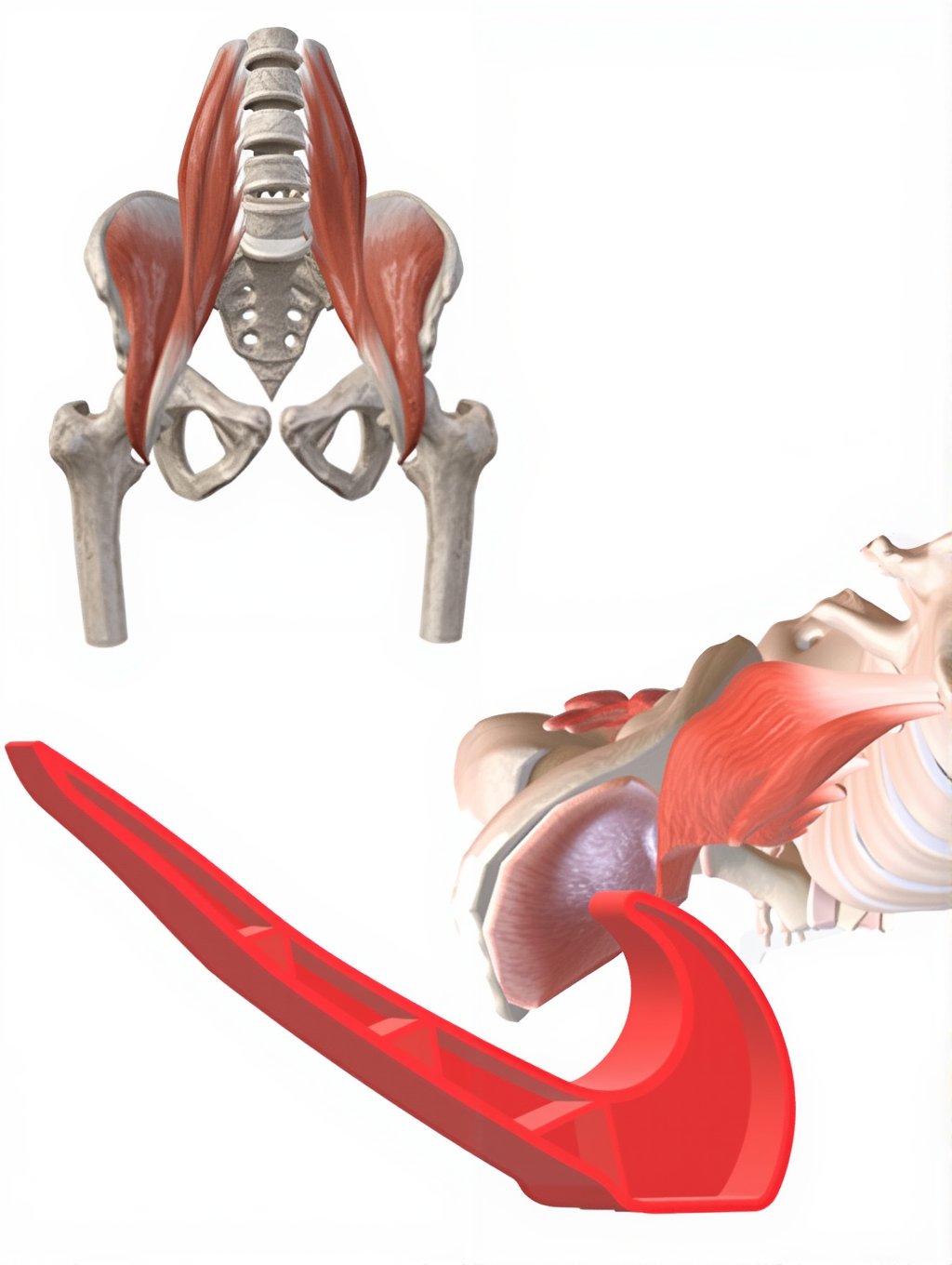
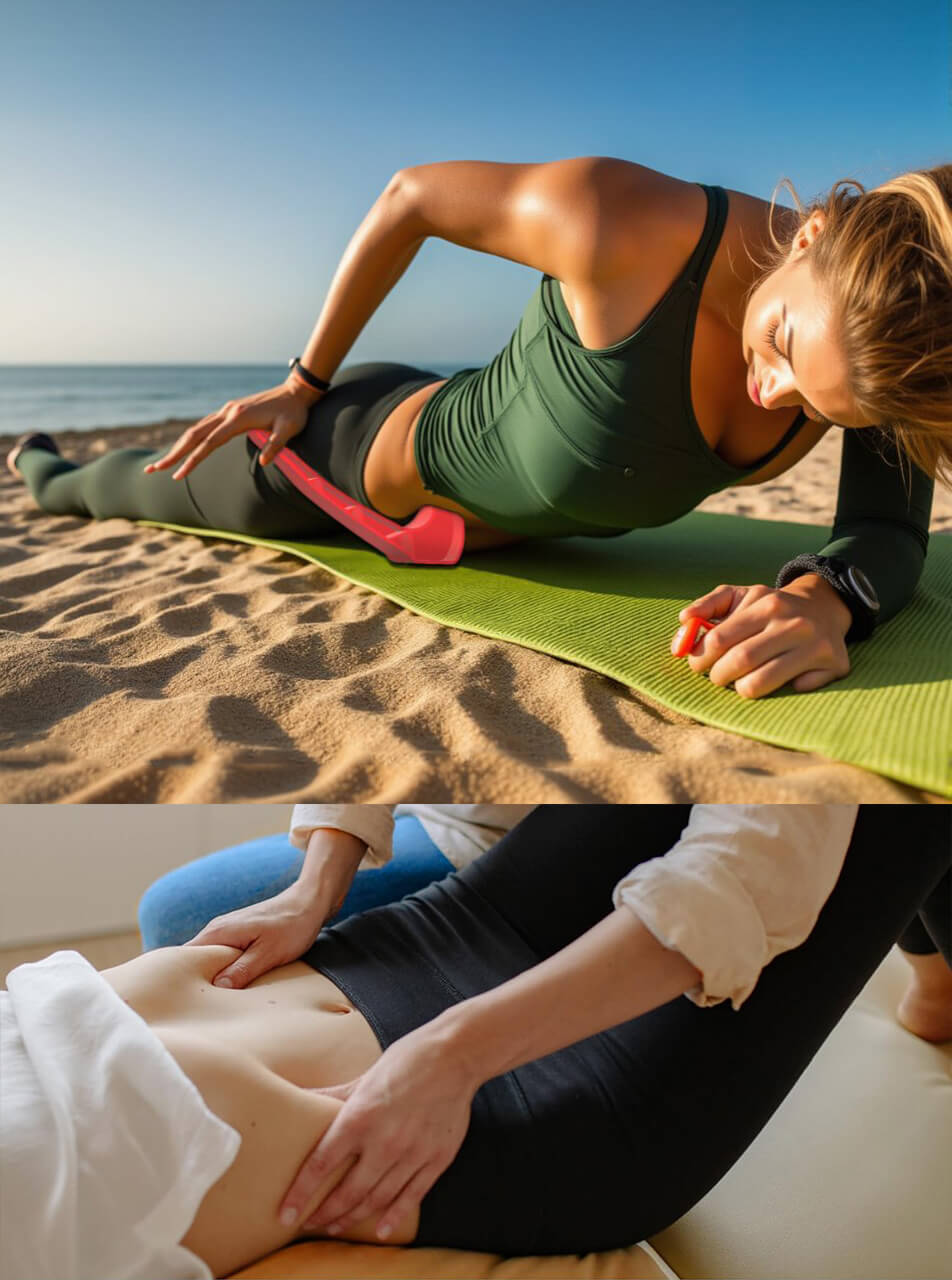
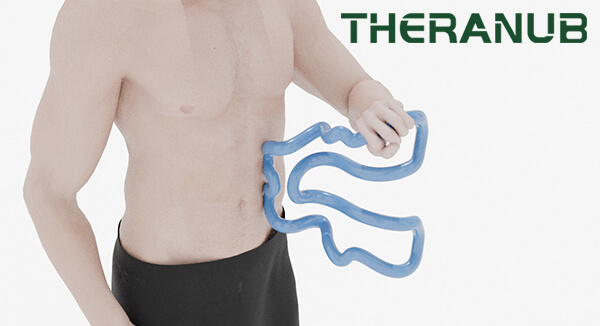
Use the Hoop to apply direct pressure to your abdominal muscles, starting just below the ribs and moving down toward the lower abs. (p. 21)
If you can tolerate deeper massage intensity, you may try the iliacus release.
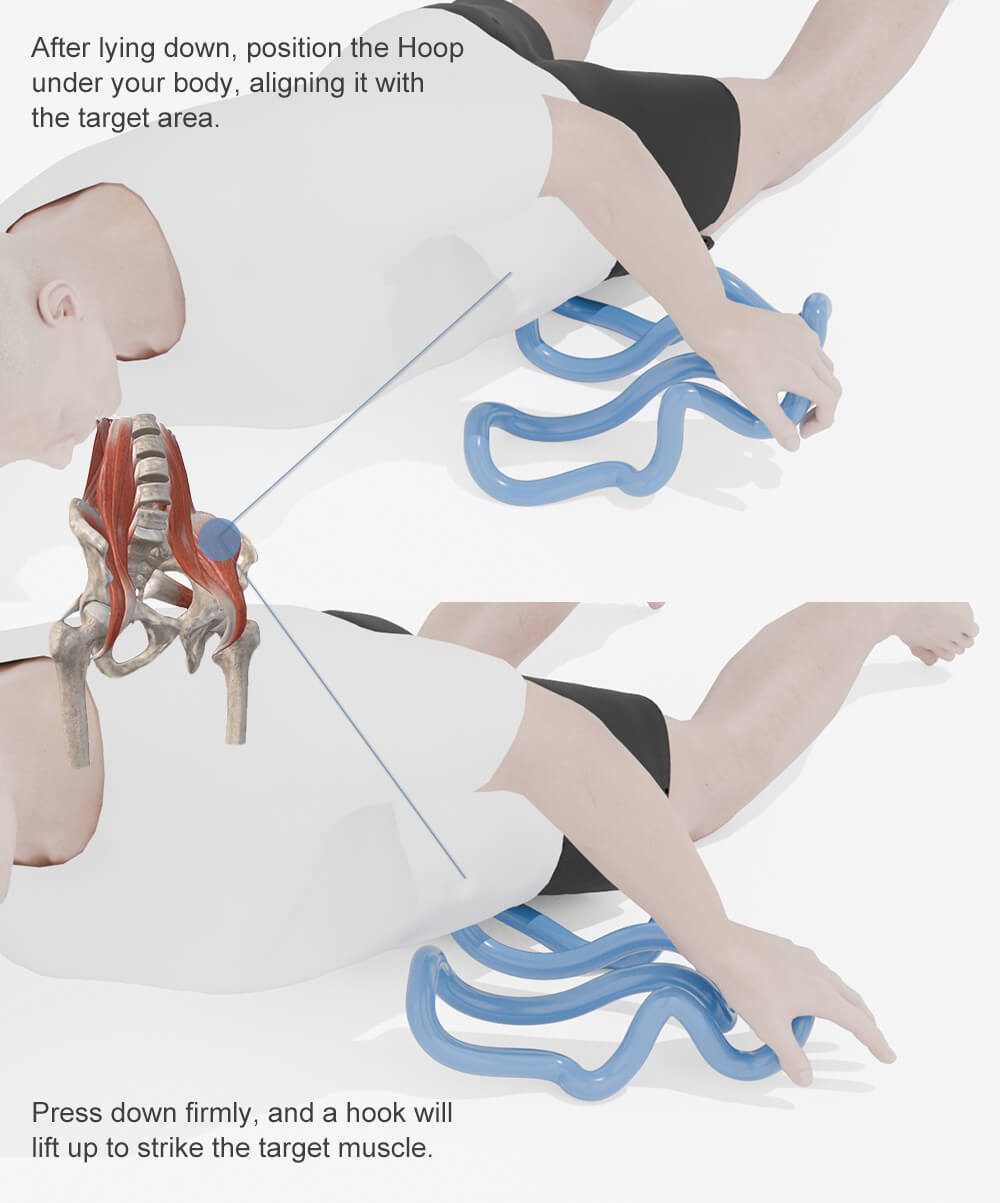
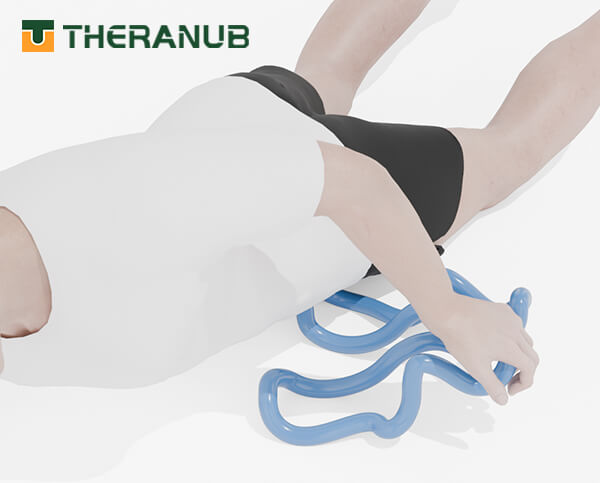
Lie prone on the floor, position the Hoop into your abdomen, and align its tip with the iliacus muscle. Hold the other end with your hands and press downward firmly. You only need to hold for 5–15s. (p. 22)
Sitting all day is the ultimate stealth punishment—it locks your body in a chair cage and sabotages your glute flexibility.
But you don’t have to stay trapped.
These 7 stretches melt stiffness, unlock tight hips, and reignite your natural mobility.
Ready to break free? Grab your tools and start stretching today—your body will thank you.