
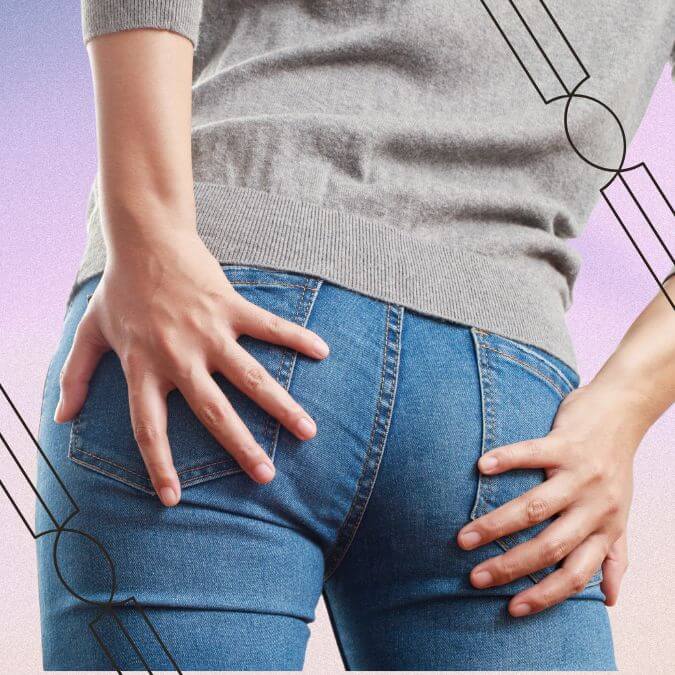
Do you experience sharp pain on the outer side of your buttocks when sitting down?
Or an electric shock-like pain in your thigh when standing on one leg? Sciatica on one side?
This could indicate distress in the gluteus medius muscle.
This muscle acts as the "invisible core" for pelvic stability, working in synergy with the piriformis muscle to maintain pelvic balance.
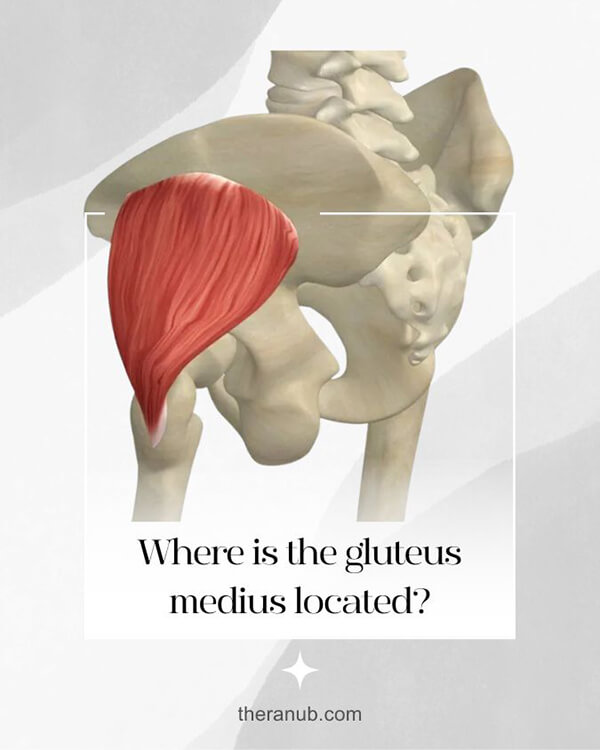
Where is it located?
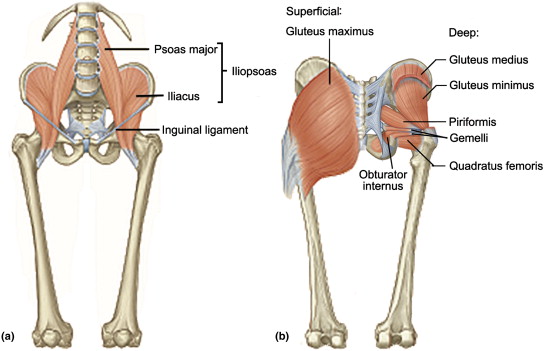
Situated on the outer surface of the pelvis, the gluteus medius is a fan-shaped muscle that connects the ilium and the hip joint. Deep to this muscle lies the piriformis, and the 2 partially overlap.
What does it do?
During single-leg activities like walking or standing, the gluteus medius works alongside the piriformis to stabilize the pelvis. It also enables you to move your leg to the side (abduction) and rotate it outward.
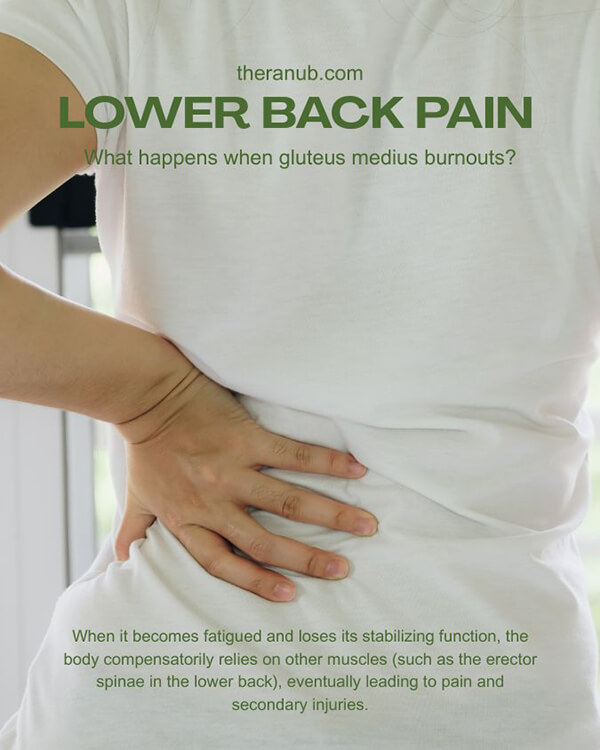
When the gluteus medius becomes fatigued and loses its stabilizing function, the piriformis is forced to take on more of the workload to stabilize the pelvis. The body also compensates by overusing other muscles, which can ultimately lead to pain in the lower back and hips.
If you experience lower back pain that doesn't improve with a back massager, the underlying issue may stem from a weak or dysfunctional gluteus medius.
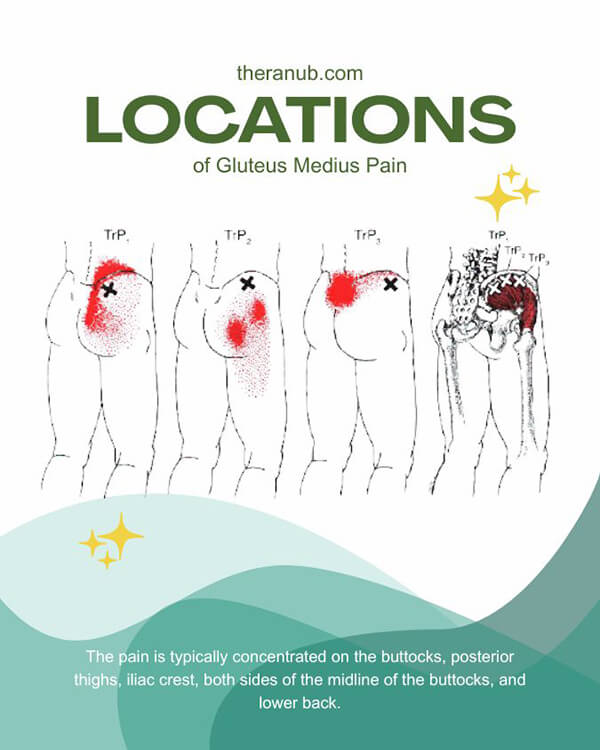
Locations and Causes of Gluteus Medius Pain
Dysfunction of the gluteus medius, whether manifesting as weakness or tightness, can induce myofascial trigger points. The resultant pain may be localized or referred, with symptoms predominantly concentrated in the buttock, posterior thigh, iliac crest, gluteal fold region, and the lumbar area.
If left unaddressed, this can develop into conditions such as piriformis syndrome, gluteus medius syndrome, or gluteal tendinitis. At this stage, difficulties with hip abduction or nighttime pain that disrupts sleep may occur.
Referred soreness in the lumbosacral region or discomfort in the medial knee may also develop. Persistent dull pain on the lateral hip, exacerbated by movement (e.g., weightlifting, running, wrestling, or other high-impact activities), may persist even at rest.
This condition is not limited to sedentary individuals. Pregnancy, carrying children on one side, carrying heavy objects while walking, leg length discrepancies, morton’s foot, professionals requiring prolonged standing, or those with repetitive tendon overload are all susceptible to these pain.

Which muscles interact with the gluteus medius?
1. The piriformis muscle is the primary one to mention.
When addressing piriformis syndrome, a common misconception is that applying direct pressure to the piriformis will relieve the pain. However, this approach not only directly compresses the sciatic nerve, which often runs through or adjacent to the piriformis, but it also overlooks a key underlying cause: weakness of the gluteus medius.
This weakness places excessive strain on the piriformis. The reason the piriformis becomes involved (often leading to its inflammation and subsequent sciatica) is that it can be seen as a posterior extension of the gluteus medius. If the gluteus medius is too weak to effectively stabilize the pelvis by lowering the opposite side during movement, the piriformis is forced to compensate. Yet, the piriformis is not ideally positioned for this stabilizing role. This compensation mechanism leads to piriformis overuse, injury, inflammation, and sciatic nerve irritation.
This explains why simply releasing the piriformis often fails to provide lasting relief. For a effective solution, it is crucial to incorporate exercises that strengthen the gluteus medius.
2. Antagonistic Muscle "Suppression"
When antagonistic muscles like the iliopsoas (hip flexors) or rectus femoris (front thigh muscles) become tight and shortened due to prolonged sitting or chronic slouching, they forcibly "pull" the pelvis into anterior tilt.
This forces the gluteus medius to remain in a state of eccentric contraction (like an overstretched rubber band), eventually leading to chronic strain or myofascial inflammation.
3. Why does my gluteus medius hurt
If underlying issues exist in the lumbar spine, sacroiliac joint, or hip joint (e.g., herniated disc, joint stiffness), the body instinctively shifts stress to the gluteus medius.
This compensatory pain is often misdiagnosed, as the root cause lies elsewhere (e.g., lower back or hip dysfunction).
In these cases, addressing these hidden triggers—through targeted stretching, or massage—is key to resolving.
How to target gluteus medius
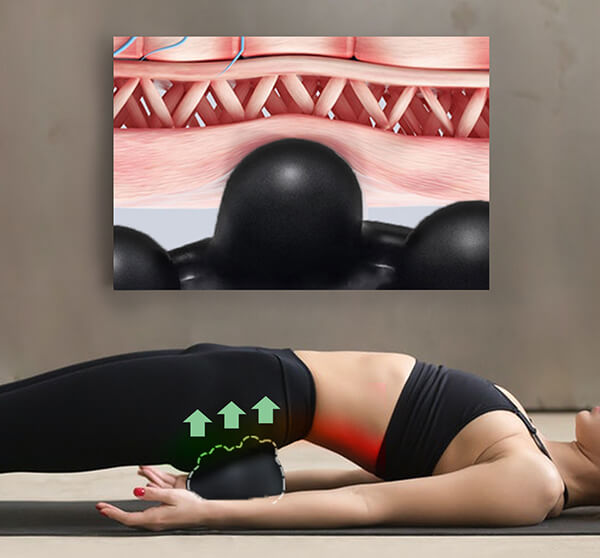
The Acu-Hump is a butt massage tool that integrates acupressure principles to target trigger points and improve muscle function.
Acu-hump®:
30-day return policy. No risk for you.
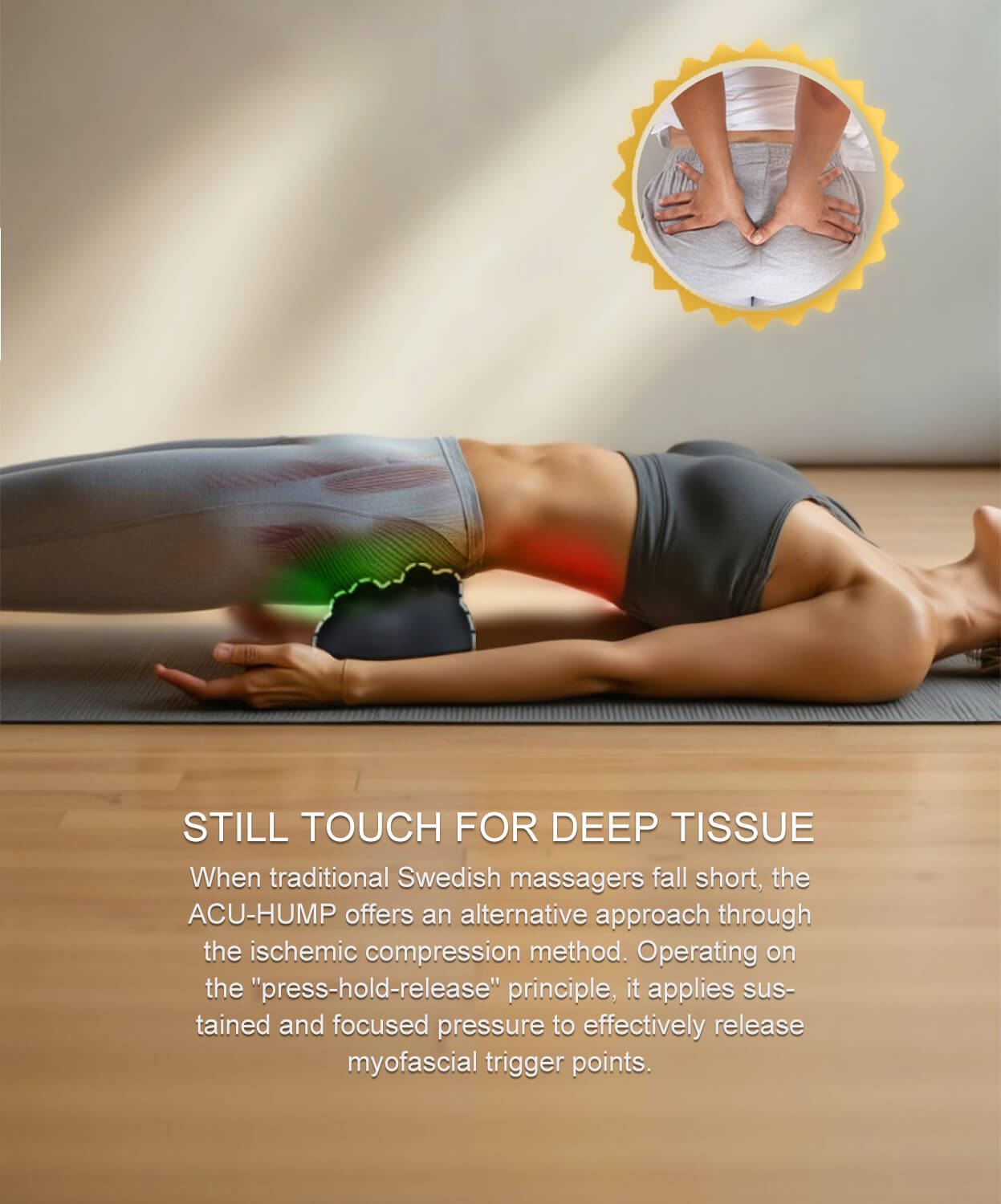
Through ischemic compression techniques, it relaxes and revitalizes the gluteal muscles, serving as an ideal complement to professional treatments.
Whether at home or on the go, you can easily release tension in your gluteus medius.
Acu-hump®:
Butt Massage Tool
Designed with scientific exercise principles in mind, the following 6-step routine will help you relax the gluteus medius and prevent other areas (e.g., lower back, thigh) from causing recurrence of gluteus medius dysfunction.
Gluteus Medius Stretch
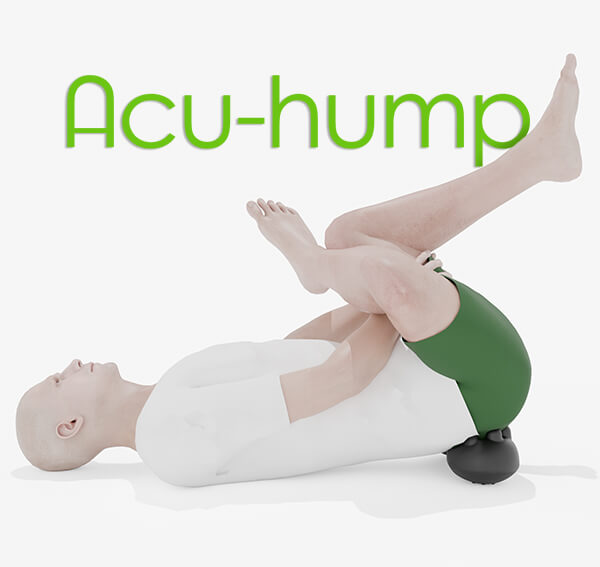
Lie on your back, position the Acu-Hump under your glutes. Cross right ankle over left knee, then pull left thigh toward your chest.
Acu-hump®:
30-day return policy. No risk for you.
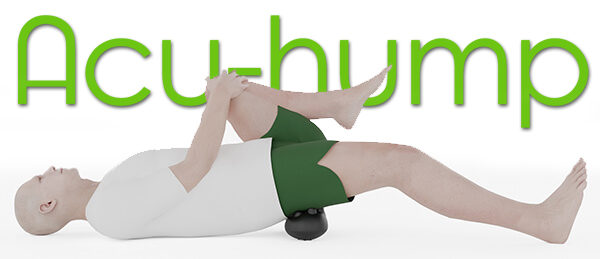
One-Move Massage and Stretch for Gluteus Medius & Antagonist
Lie flat, position the Acu-Hump under your glutes. Perform assisted abduction by pulling one knee toward your sternum — a dynamic stretch to release tension and combat procrastination-induced stiffness.
Acu-hump®:
Butt Massage Tool
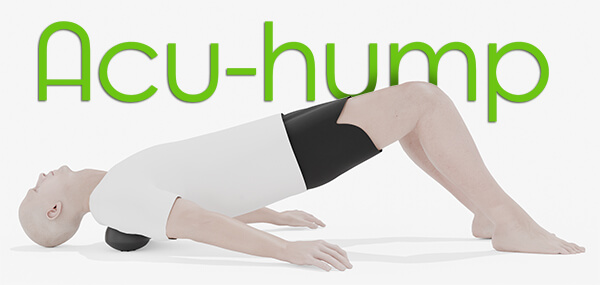
Banish Gluteus Medius Burnout
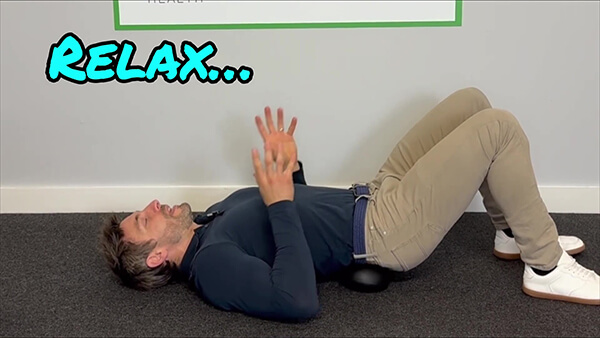
Place the Acu-Hump under your upper back, bend your knees, and lie flat. Elevate your hips — hold for 20 seconds. Perform 5 reps. This exercise strengthens the gluteus medius, reducing lower back pain caused by weak gluteus medius.
Acu-hump®:
30-day return policy. No risk for you.
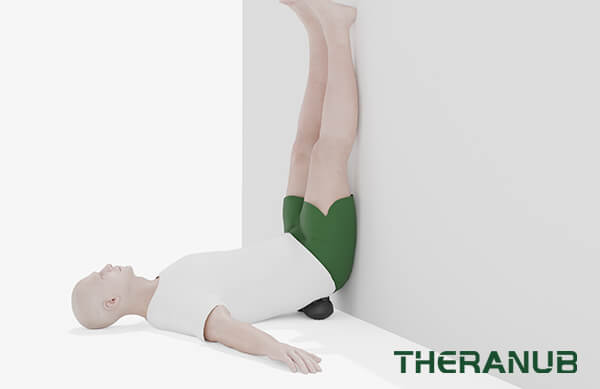
Wall-Assisted Stretch for Strained Muscles
Lie supine with legs perpendicular against the wall. Position the Acu-Hump under the upper glutes. Sink into a 'gravity inversion' hold — maintain 30 seconds, 5 reps.
Acu-hump®:
Butt Massage Tool
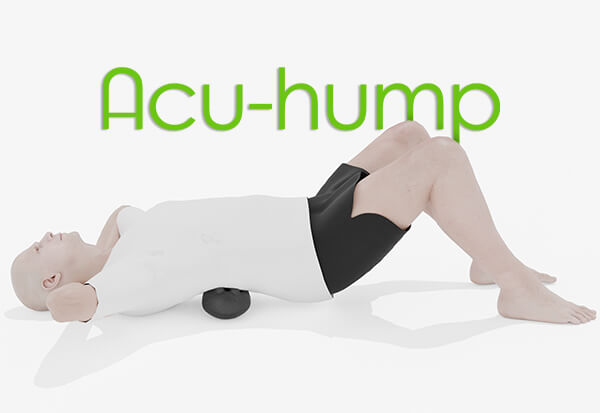
Remote Sniper - Lower Back Release
Lie flat, Acu-Hump under glutes. Head cradled, elbows grazing floor – 30s x5.
Acu-hump®:
30-day return policy. No risk for you.
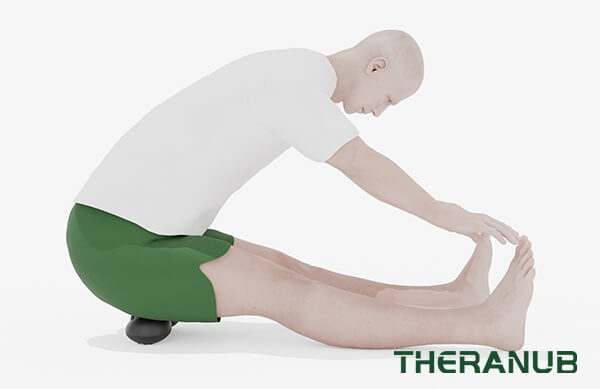
Activate Gluteus Medius Tendon
Position the tool on the floor; sit upright. Hinge at hips, legs straight, and reach hands toward toes.
Acu-hump®:
Butt Massage Tool
What are the benefits of using Acu-Hump?
These 6 steps fully consider the muscles connected to the gluteus medius.
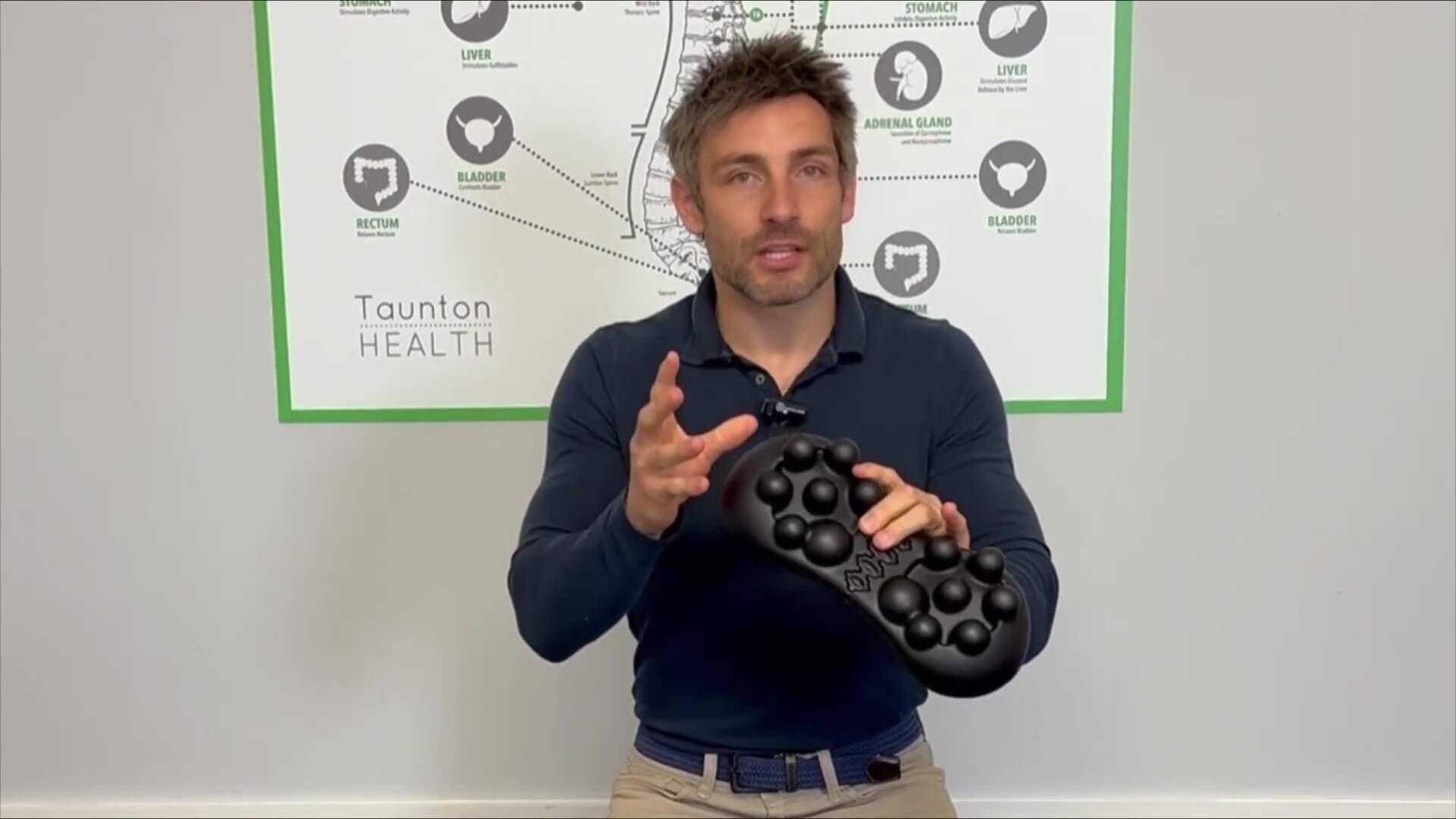
Relaxation enhances both the gluteus medius and its antagonistic muscles, allowing the muscle to operate in a relaxed and comfortable state.
Acu-hump®:
30-day return policy. No risk for you.
It won’t roll. This stable structure enables even beginners to target precise deep trigger points with accuracy.
Acu-Hump is designed specifically for glute massage.

Acu-hump®:
Butt Massage Tool
Slightly flexible, it molds to your body’s curves like a therapist’s hands.
No electricity required. Whether sitting or lying down, your body weight does the work.
Acu-hump®:
30-day return policy. No risk for you.
During use, symmetrical firm pressure from the massage humps targets both sides of the body, effortlessly kickstarting balance restoration.
What to watch for during practice?
Moderate stretching is key—avoid overexertion to prevent gluteal strain.
Take Control of Your Gluteus Medius Pain Now
To address or prevent discomfort in this area, try this actionable plan:
1. Start Now: The 6-step Acu-Hump exercises may help relax overworked gluteus medius muscles and activate dormant strength.
2. Stay Consistent: No complicated setup needed—just 10 minutes a day, focused movement, and dedication.
3. Listen to Your Body: Combine stretching with mindful posture adjustments to prevent recurrence.
Grab your device and conquer it now.
Invest in your flexibility and comfort. Your hips, lower back, and overall well-being will thank you—one controlled stretch at a time.
