
Hip pain cause lower back pain — a key fact often overlooked by those struggling with persistent discomfort. If you’ve tried various methods without lasting relief, the root cause of your back pain may not actually lie in the painful area itself, but could be referred pain originating from the hips.
Most folks zero in on the pain area—like the lower back—but here’s the thing: research shows the real culprit might be hiding in other muscles or joints.
Does Hip Muscles Pain Cause Lower Back Pain?
Tight hip muscles can lead to lower back pain. Many people, when experiencing pain in their lower back, focus only on the lower spine and neglect the hips.
The muscles in your buttocks are closely connected to those in your lower back, so when your gluteus medius are tense or sore, they can pull on your back, causing pain.
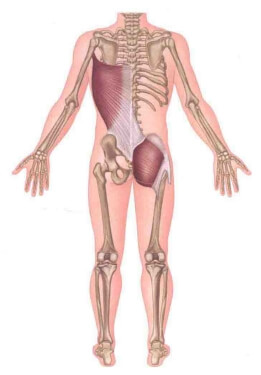
Changes in posture, nerve compression, or referred pain can also spread discomfort from your buttocks to your back. In some cases, conditions such as piriformis syndrome or sacroiliac joint dysfunction may cause simultaneous pain in both the hips and the back.
This is a straightforward yet important connection to understand when addressing persistent back pain.
Joints and Muscles Behind Back Pain
Let’s break it down—these muscle groups could be the real troublemakers:
1. Glutes (Gluteus Maximus, Medius, Minimus)
The glutes, the largest muscle in the buttocks, plays a key role in stabilizing the pelvis and connecting with the muscles of the back. When this muscle is weakened, it can lead to a compensatory response where smaller hip muscles and the iliopsoas are recruited to bear an increased workload.
2. Piriformis
The sciatic nerve runs from the lower back down through the middle of the piriformis muscle. When this muscle becomes tight, it can compress the nerve. This compression may initially present as pain deep within the hip or buttock.
To help release tension in this area, you can try a gentle yet effective approach: sit on the Acu-Hump while doing a figure-four stretch. This way, you'll be efficiently addressing glute and piriformis muscles through both massage and stretching at the same time.
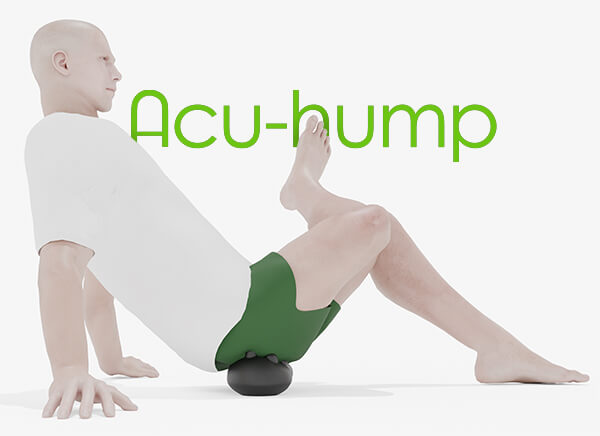
Acu-hump®
Release Butt & Lower Back
3. Iliopsoas (Psoas Major and Iliacus)
Think of the iliopsoas as a central muscle group deep within your core, at the front of your pelvis. One part, the iliacus, links the inside of your pelvis to your leg; the other, the psoas, connects your lower spine to your leg. This makes them a crucial bridge between your lower back, pelvis, and legs.

However, because they are positioned at difficult angles deep within the body, standard massage tools can't reach them well. Releasing them effectively usually requires a firm tool, applied with just the right angle and pressure to "lift" or access the area.
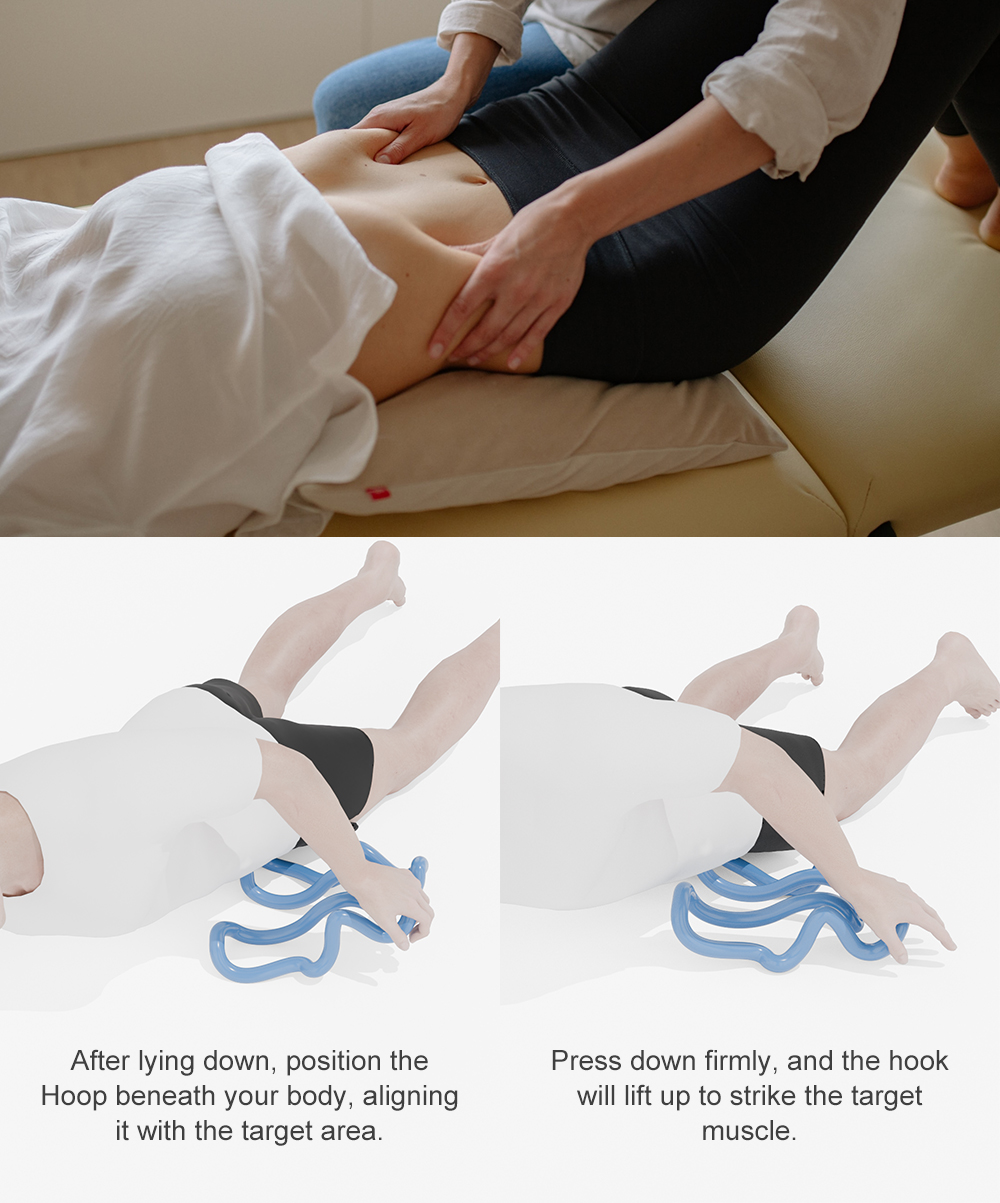
The Hoop
Release Iliacus
4. Sacroiliac Joint (SI Joint)
The sacroiliac joint is a key joint within the pelvis, connecting the central part of the body to the sides. Pain in this joint is typically felt in the lower back and the area just above the buttocks. When the joint's function is compromised, it can lead to a persistent, dull ache.
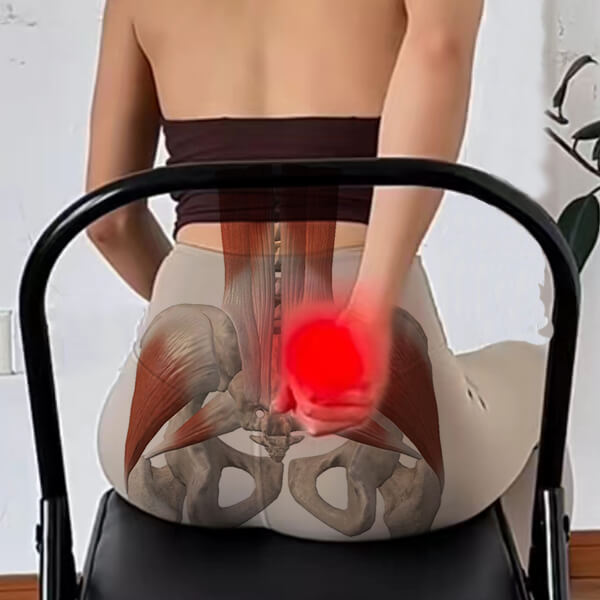
Sacroiliac joint dysfunction can commonly occur during pregnancy and the postpartum period. Activities such as shoveling snow, rising from a low chair, squatting, or twisting the body to reach for an object can aggravate the pain.
Applying direct pressure to this joint can often help alleviate the discomfort. Additionally, performing gentle rocking stretches may also provide relief.
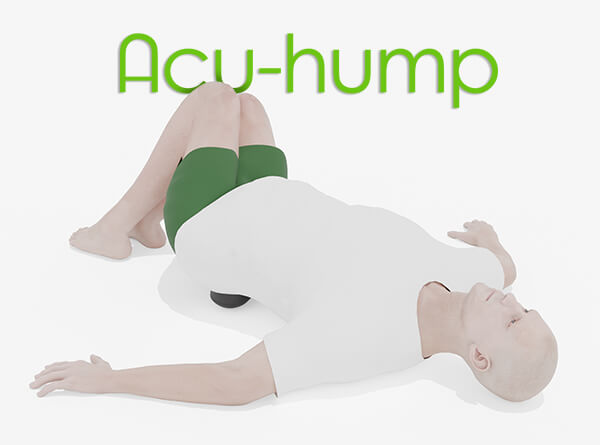
If it’s still a hot mess after a day or 2, see a chiropractor or osteopath to get things back in line.
If you’re fed up with back pain, try shifting your focus to your hips—especially your iliacus, glutes, and piriformis. Sometimes, the fix is in a spot you’re not even thinking about. Hang in there—you’ve got this.
