What is Occipital Release?
Occipital release is a precise relaxation technique commonly used in CranioSacral Fascial Therapy. It targets the suboccipital muscles, focusing on trigger points and the tissues beneath the base of the skull, just below the occipital bone. You might not realize it, but this small group of muscles plays a crucial role in the health of our entire head and neck.
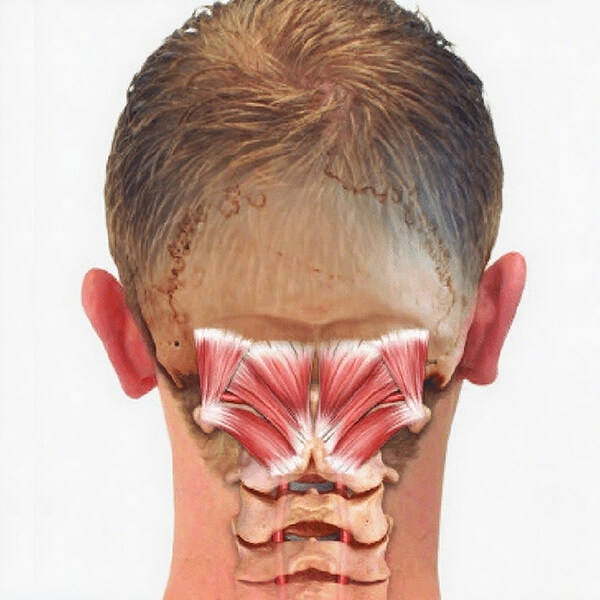
When we spend long hours looking down at our phones, working on computers, or unconsciously tensing our shoulders due to stress, these muscles can become as tight as knotted ropes. Over time, this tension can lead to headaches, tinnitus, neck and shoulder pain, and even disrupt sleep quality.
For those who frequently use electronic devices, the occipital area often becomes tight and develops trigger points due to prolonged forward head posture, stress, or poor ergonomics. In the context of craniosacral therapy for tinnitus, occipital release is particularly valuable, as it helps alleviate a cascade of issues caused by chronic tension in these muscles—including headaches, TMJ dysfunction (TMD), tinnitus, as well as neck and shoulder pain. This technique also supports improved cranial circulation, reduces overall stress, and promotes better sleep.
How to Release Tight Occipital Muscles
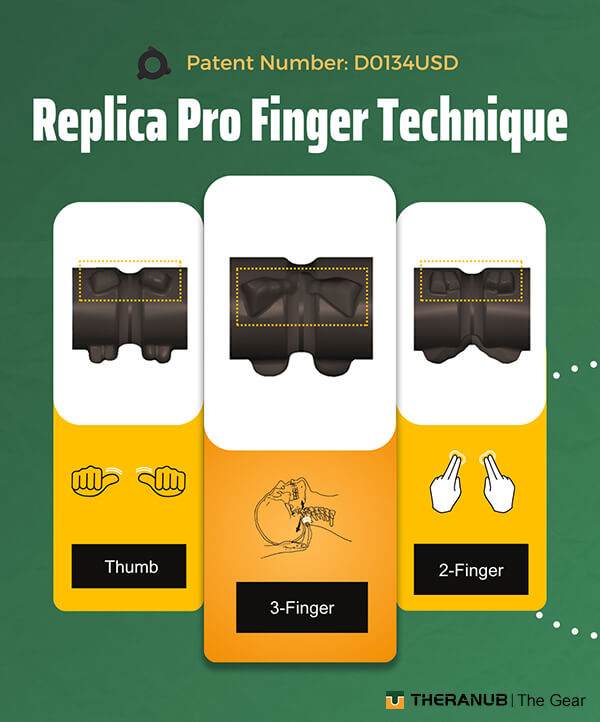
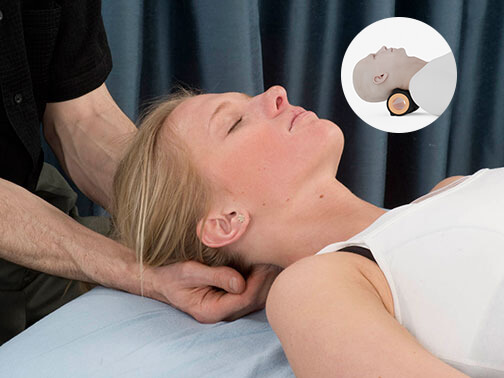
When a professional therapist performs an occipital release, they will have you lie comfortably on your back. They will gently cradle the base of your skull with both hands, shaping their palms to create space for your cervical spine while aligning the fingertips of their middle 3 fingers along the edge of the occipital bone to release the suboccipital muscles.
Of course, we can’t visit a therapist every day. When you finish a long day of work with a dull ache at the back of your head and stiff neck, some at-home tools can come in handy.
Best Occipital Release Tool
You can use massage balls (soft massage balls with a diameter of 5-7 cm) by placing them in your palms and positioning them beneath the occipital bone. For more convenience and better results, professional tools are the preferred choice.
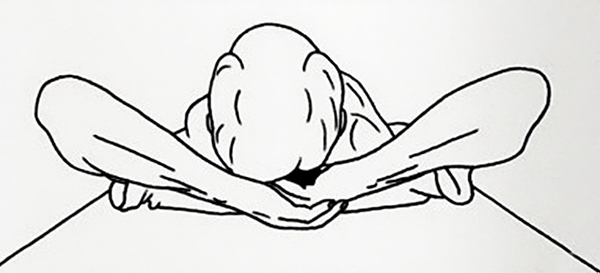
The original occipital release tool directly mimics the shape and movement of a therapist’s fingers, with a straightforward design. However, it has clear limitations in practical use: it tends to slip or shift even with anti-slip strips on the base, and users often struggle to maintain the natural curvature of their cervical spine, which reduces effectiveness and may even cause discomfort.
Shortcomings of the Original Tool:
- Poor stability, prone to shifting during use
- Fails to guide users in maintaining proper cervical spine alignment
- Limited functionality, offering only pressure release
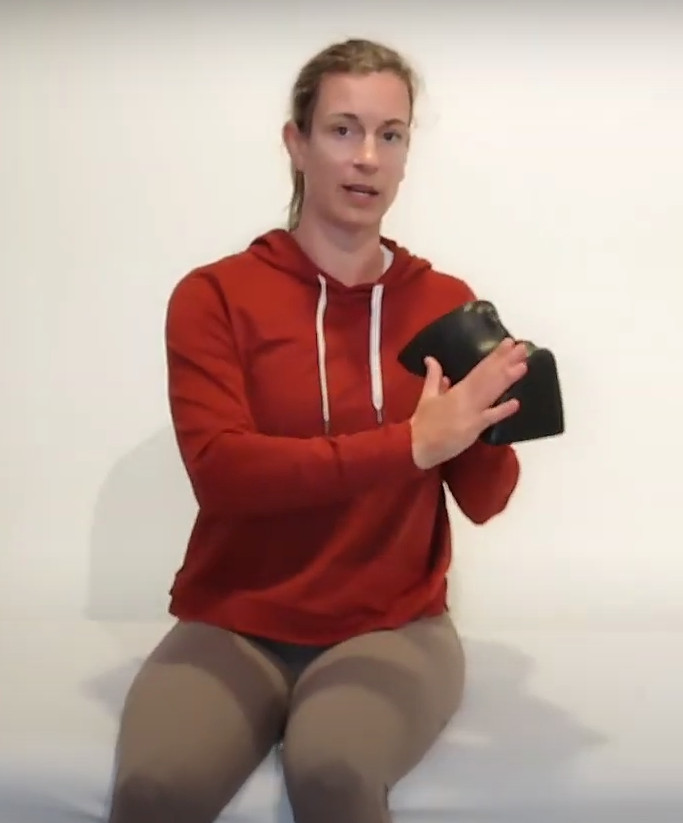
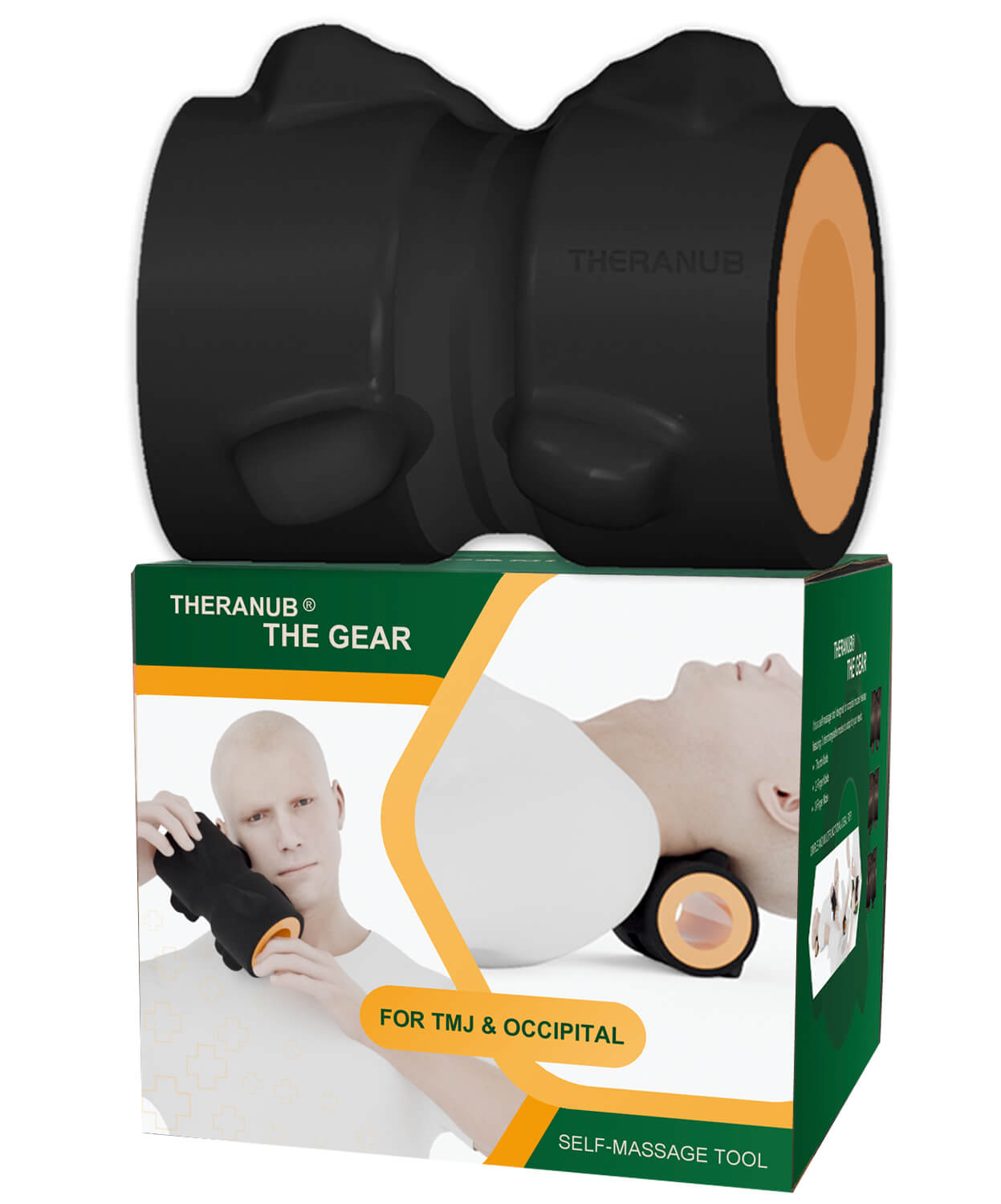
In contrast, the next-generation The Gear feels like a tailor-made solution for modern needs. While preserving the essence of the original design, it introduces multiple improvements—ingeniously incorporating trigger point massage and stretching functions for a more comprehensive therapeutic effect.
Design Philosophy of The Gear Occipital Release Tool
By integrating massage and stretching functions, the massage protrusions are strategically placed on rollers—viewed from the side, they resemble gears.
The Gear perfectly preserves the core manual therapy simulation of the original tool while introducing 2 additional massage modules, offering more options for releasing tense muscles.
THERANUB Gear
30-day return policy. No risk for you.
How The Gear Solves the Pain Points of the Original Tool
No More Rolling or Slipping
The outer module forms a natural angle with the cervical spine, completely eliminating rolling and slipping issues. Its ergonomic contour design automatically positions the optimal pressure angle, conforming perfectly to every curve of the occipital bone.
Precision Targeting
Engineered with human-centric ergonomics, the raised contours automatically align with the occipital curves, pre-setting the ideal angle for precise relief.
THERANUB Gear
30-day return policy. No risk for you.
Massage + Stretch in One Motion
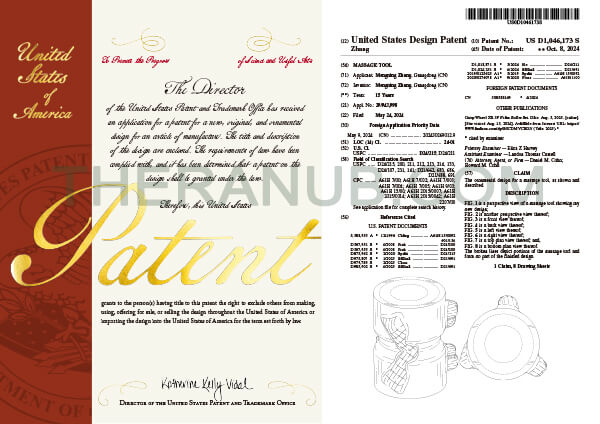
Featuring a patented design, the arched trajectory naturally guides cervical flexion and extension, delivering simultaneous massage and stretching.
This innovation liberates therapists’ hands, ensuring every session is precise and efficient.
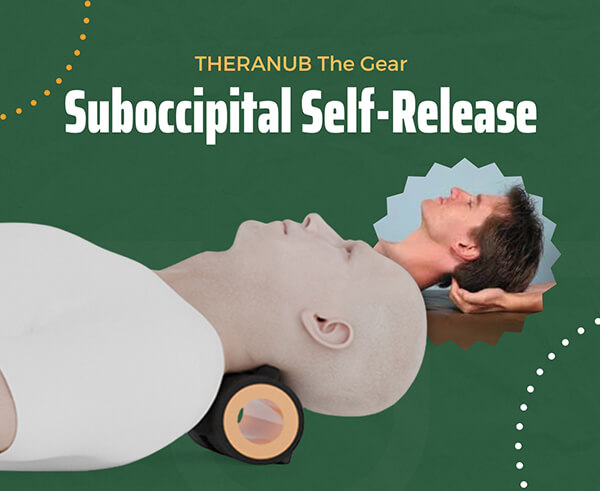
THERANUB Gear
Best Occipital Release Tool
How to Use the Occipital Release Tool?
Using The Gear is simpler and safer than the original tool:
- Select the appropriate module combination
- Lie flat, securely placing the outer module on the ground
- Let your head rest naturally on the center module, with the occipital bone in contact with the gear
Spending just a few minutes each day on this simple relaxation routine—no appointments needed, all from the comfort of home—isn’t that a worthwhile investment?
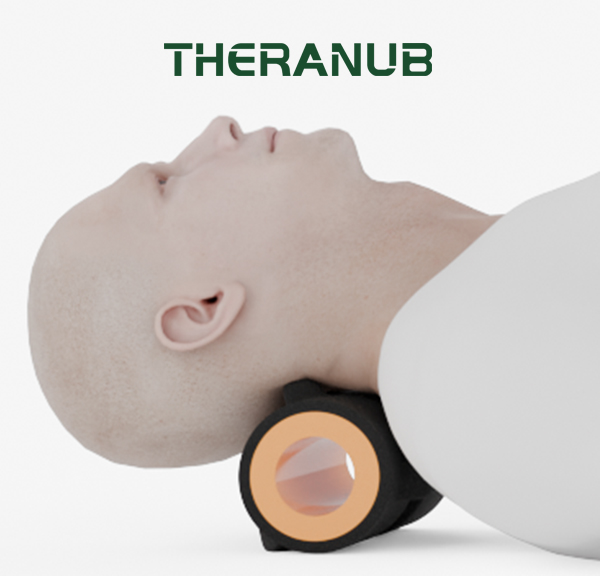
THERANUB Gear
Best Occipital Release Tool
For more usage techniques, check out the included HOW-TO MANUAL (printed guide) or explore our website for scenario-specific instructions and detailed explanations of the principles behind each method.
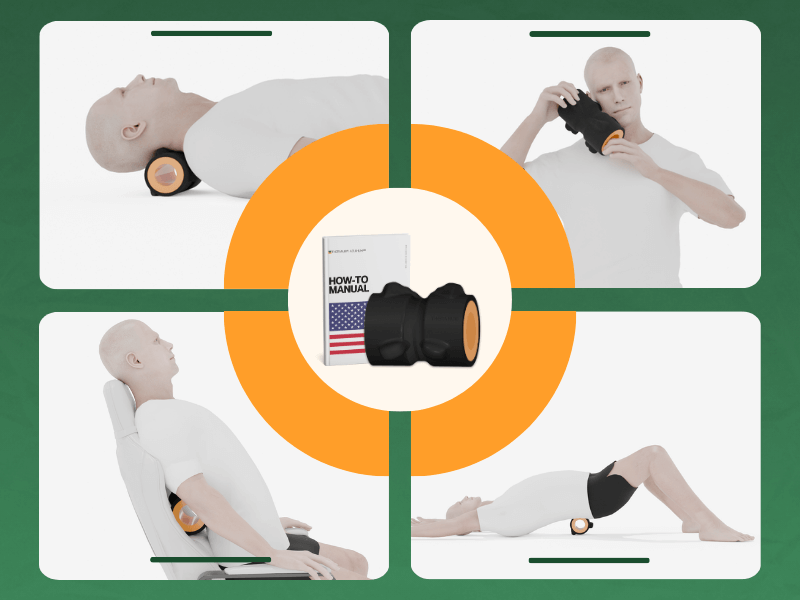
THERANUB Gear
30-day return policy. No risk for you.
Occipital Release: Benefits & Clinical Uses in Chiropractic & Therapy
Occipital Release is a commonly used technique among chiropractors, physical therapists, massage therapists, and craniosacral therapy practitioners. Through gentle yet precise pressure, it helps relax the suboccipital muscles, improving function in the head, neck, and upper back.
1. Tension Headaches & Migraines
Tight suboccipital muscles can compress the greater occipital nerve, leading to tension headaches or migraines. After assessment, if a chiropractor or therapist identifies excessive tension in these muscles as a contributing factor, they may perform occipital base release to alleviate nerve compression and muscle spasms.
2. Neck Stiffness & Reduced Range of Motion (ROM)
Prolonged forward head posture (from phone/computer use) can shorten and stiffen the suboccipital muscles, restricting cervical mobility. Therapists may combine occipital release with joint mobilization or stretching to restore flexibility.
3. Vertigo & Balance Disorders
The suboccipital muscles connect closely with the cranial base (particularly C1-C2 vertebrae), which influences the vestibular (balance) system. For cervicogenic dizziness, occipital release may help relieve symptoms.
4. TMJ Dysfunction
The temporomandibular joint (TMJ) links to the suboccipital muscles via fascia and muscle chains. For patients with jaw pain, malocclusion, or bruxism, therapists may assess and release suboccipital tension to ease TMJ strain.
5. Upper Crossed Syndrome
This postural imbalance (forward head, rounded shoulders, thoracic kyphosis) chronically shortens suboccipital muscles. Chiropractors or PTs may integrate occipital release into postural correction protocols.
6. Whiplash & Post-Traumatic Neck Pain
After whiplash injuries (from car accidents, sports, or falls), suboccipital muscles often become hypertonic. Occipital release can aid rehabilitation by reducing spasms and pain.
7. Sleep Disturbances
Suboccipital tension may dysregulate the autonomic nervous system (e.g., vagus nerve), impairing sleep. Craniosacral therapists or chiropractors may use gentle release to promote relaxation and better sleep quality.
8. Chronic Stress & Anxiety
Persistent stress leads to "knots" in suboccipital muscles. Combining release with breathwork can downregulate sympathetic overactivity ("fight-or-flight") and induce calm.
A Note on Self-Care:
While home tools are convenient, first-time users should consult a professional—like mastering any skill, proper technique matters. Once proficient, this method becomes a reliable ally for maintaining well-being.
In our high-stress era, nurturing your body is foundational self-care. Occipital release acts like a "pause button" for an overworked nervous system, gently restoring balance. Next time headaches or neck stiffness strike, try this approach—you might be surprised by its soothing power.